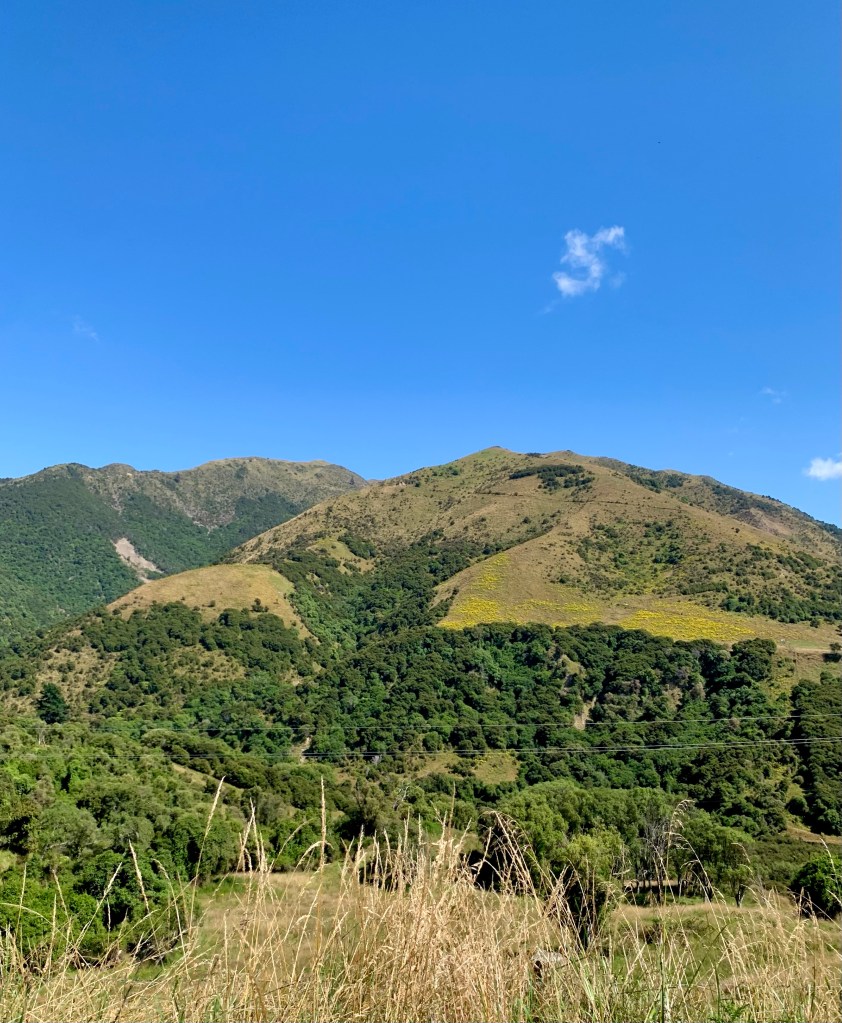
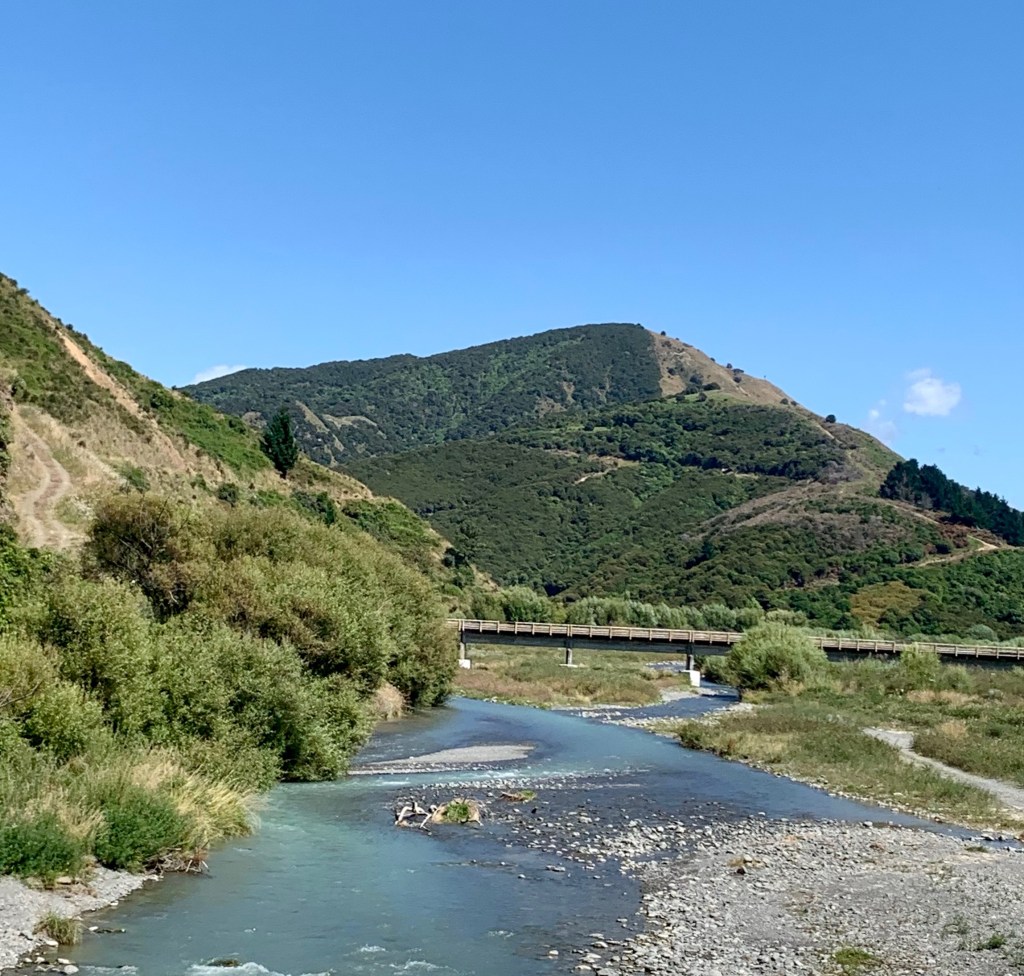
Between Cheviot and Kaikōura, the terrain becomes mountainous and, to our surprise, the scenery is almost as dramatic as parts of Arthur’s Pass.
Then we got our first glimpse of the sea, always an exciting moment! I think most people have experienced that moment of thrill at the first sighting of the sea. According to Peter J. Conradi in his biography of one of my favourite novelists, Iris Murdoch, the title of her Booker Prize-winning novel The Sea, The Sea comes from the Greeks’ cry during the Persian wars when they finally sight salt-water: Θάλαττα! θάλαττα! (Thálatta! thálatta!): the sea! The sea!
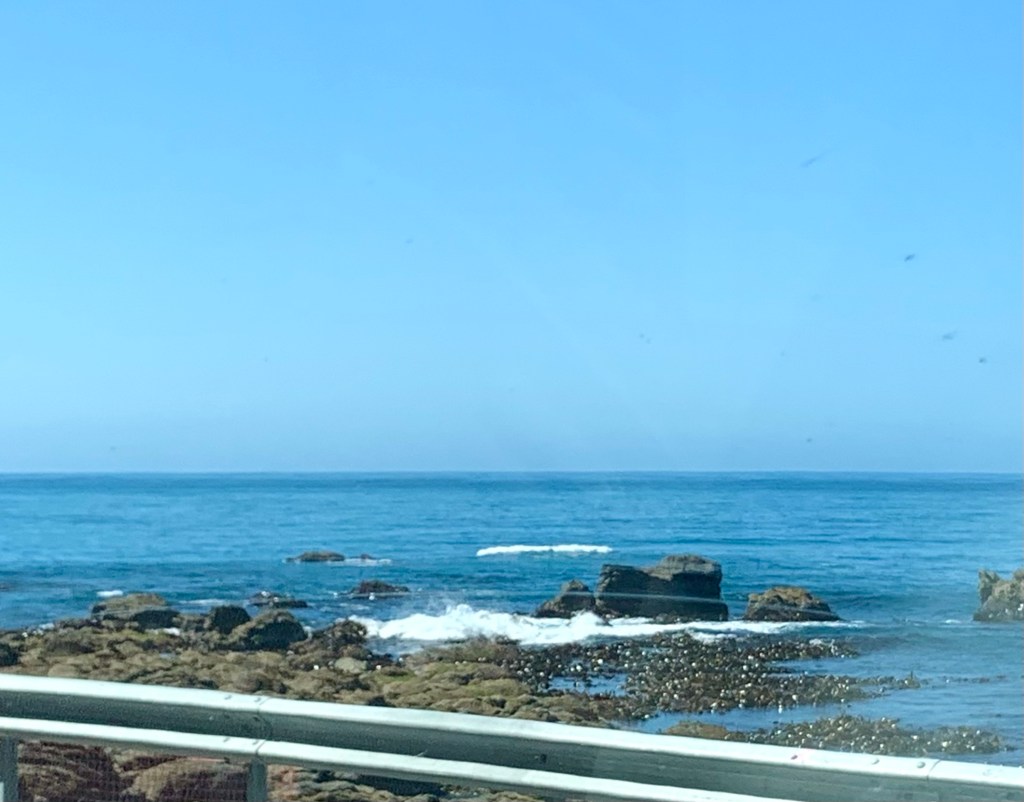
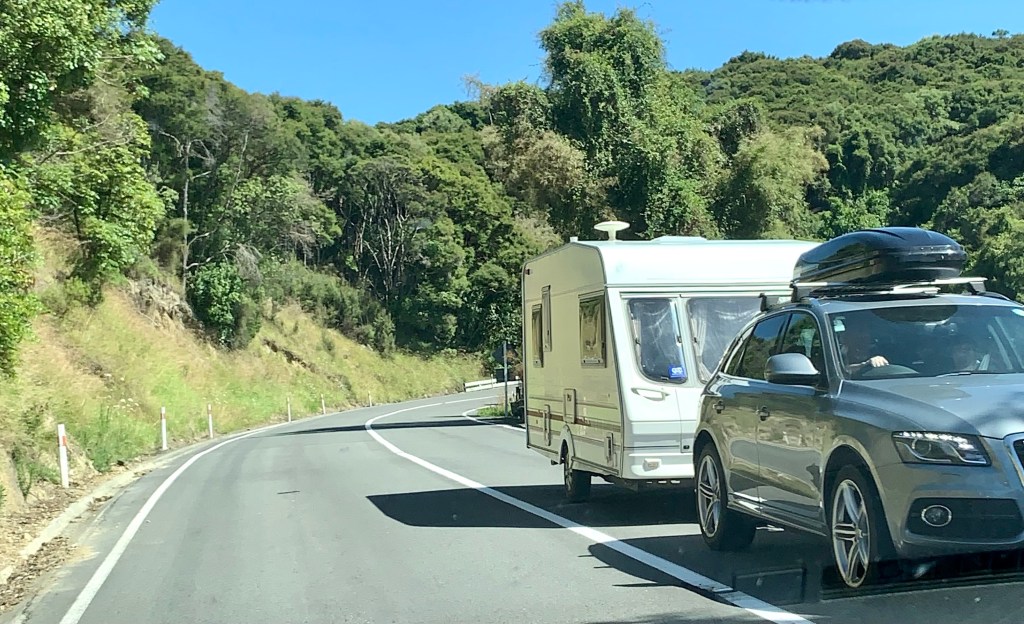
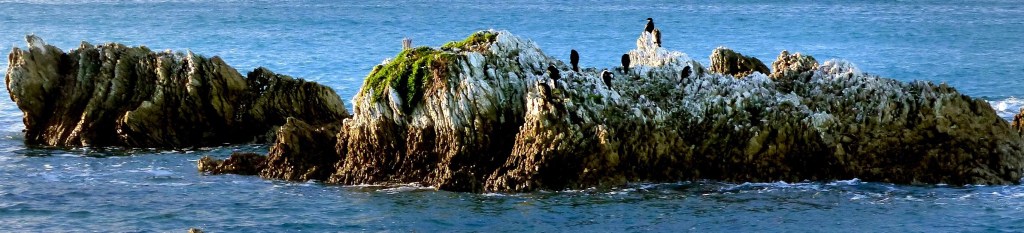
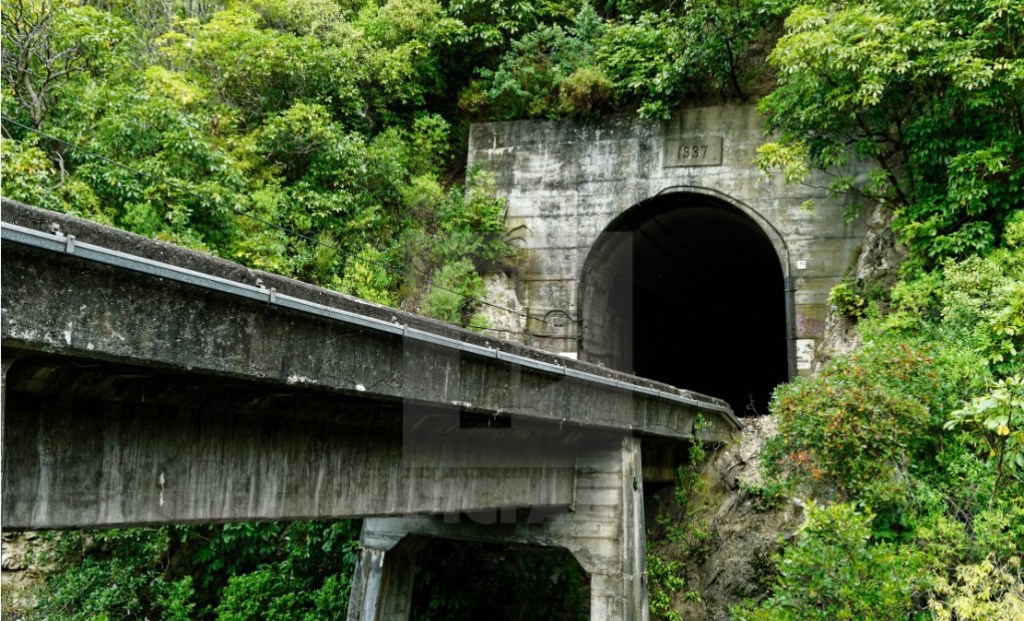
The coastline stretching roughly between the mouths of the Conway and the Clarence Rivers is called the Kaikōura coast. Along this section of SH1, there is a band of bright turquoise water near the shore and then a wider band of dark blue sea to the horizon. As you get closer to the town of Kaikōura, which is 180km north of Christchurch, the coastal plain narrows considerably and the mountains seem to rise up almost straight from the sea. The road is cut into the side of the mountains and the railway tracks running parallel to the road go through many tunnels. The rocks in the sea close to shore are extensive and many of them are sharply jagged. There is also prolific kelp growth. For the whole duration of the drive along that coastal strip the strong smell of kelp filled the car. The coastline is a protected sea reserve and there are lots of birds and seals who use the area. We spotted seals on the rocks in several places.
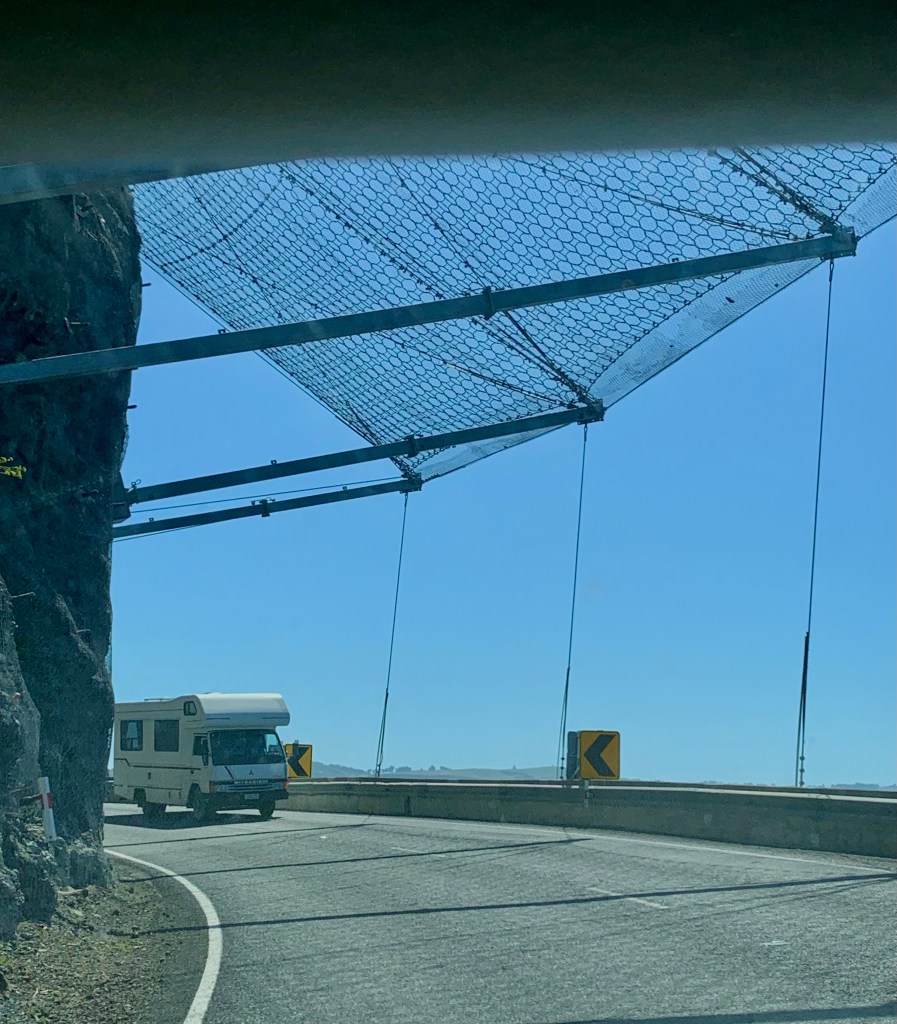
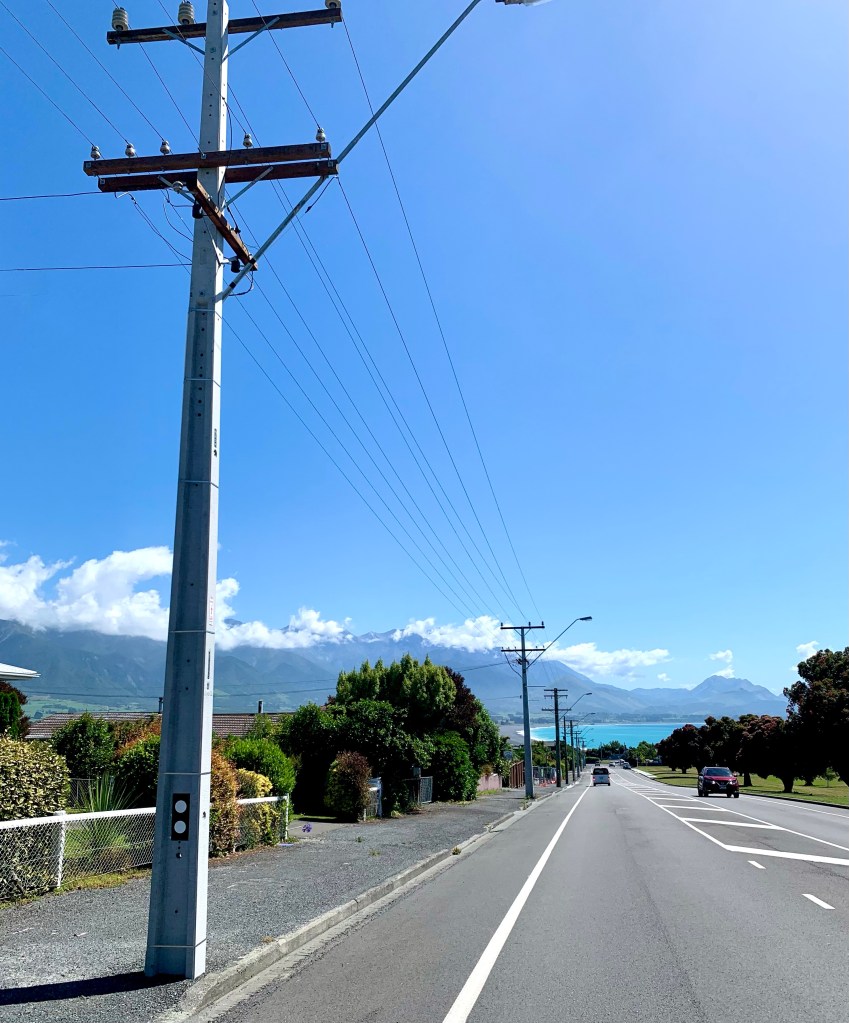
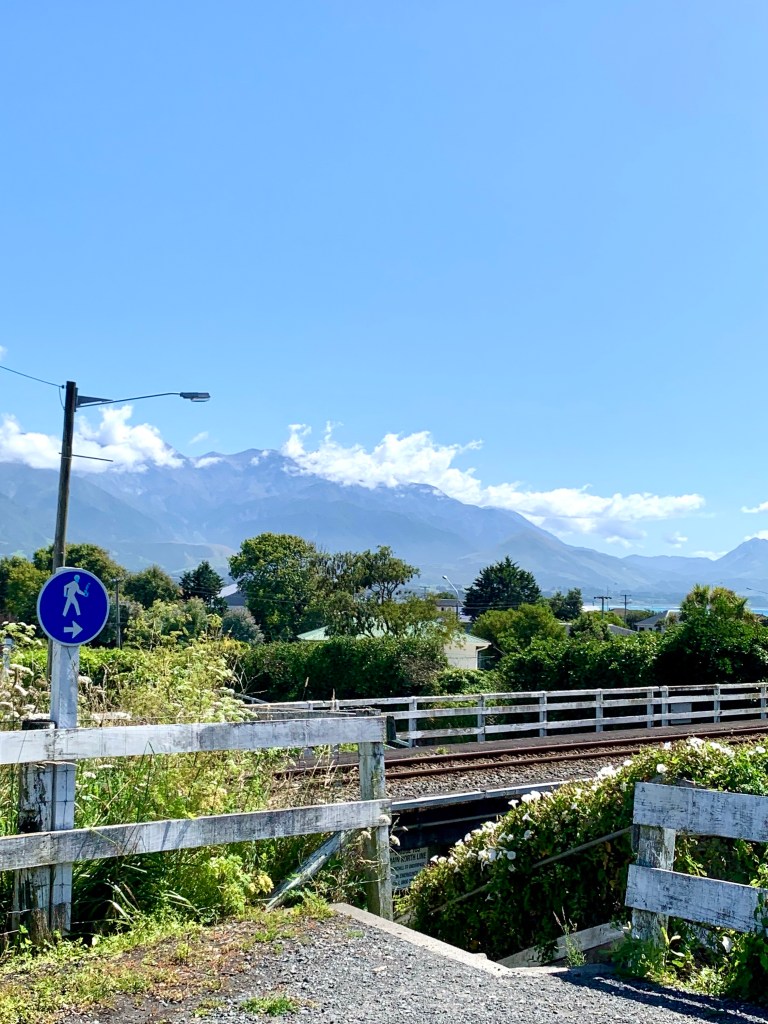
The 2016 Kaikōura earthquake was a 7.8 magnitude earthquake that occurred two minutes after midnight on 14 November 2016. A sequence of ruptures occurred on multiple faults and the earthquake has been described by seismologists as the “most complex earthquake ever studied.” Starting 70km south of Kaikōura, the quake ripped across several fault lines and ended 90km north of Kaikōura, only taking two minutes to travel its entire length. The earthquake ruptured along a record 21 fault lines, some of which were previously unknown. The quake was so powerful that parts of the South Island are now more than 5m closer to the North Island. Near the Papatea Fault, the ground was raised as much as 8m.
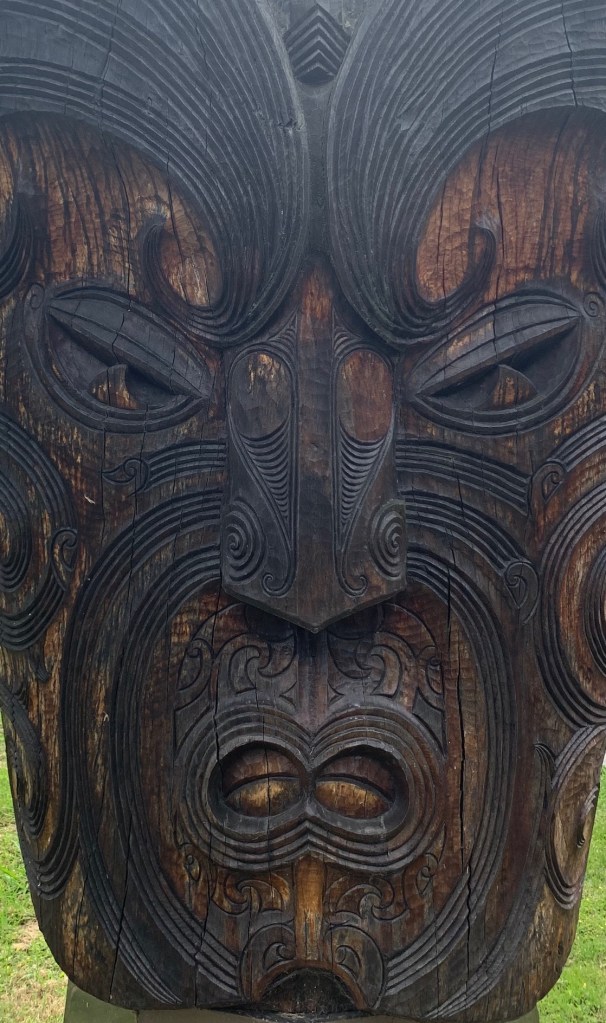
The story of Rūaumoko
In the beginning there was darkness. Io, the supreme god, the creator, then spoke the Holy Word, “Night succeeding night! Should darkness remain oppressive and distressful? Let there be a great cause to end this darkness that light may stream forth!” In the ensuring period of tumultuous creation the primary parents of life, Ranginui (The Sky Father) and Papatuanuku (The Earth Mother) were separated. Their children who had previously been in darkness, locked in the embrace of their parents, were now free.
Io then gave each of the children mana and authority over the elements and dominium in equal proportions. This action delivered equilibrium and balance which in turn gave order to the world. ‘Tawhirimatea’s domain was the winds and storms, Tane Mahuta’s domain was the forest and birds and ” Tangaroa’s domain was the oceans, river and lakes.
And then there was the unborn child. He stayed in his mother’s womb to comfort her and to keep her warm with volcanic fire. Today he remains there, sometimes moving and turning inside Papatuaanuku, which causes the earth to shake and at times his Volcanic fire to spill over into the world of light. His domain became the earth’s core, the initiator of earthquakes, volcanic eruptions and geothermal energy, his name Ruaumoko.
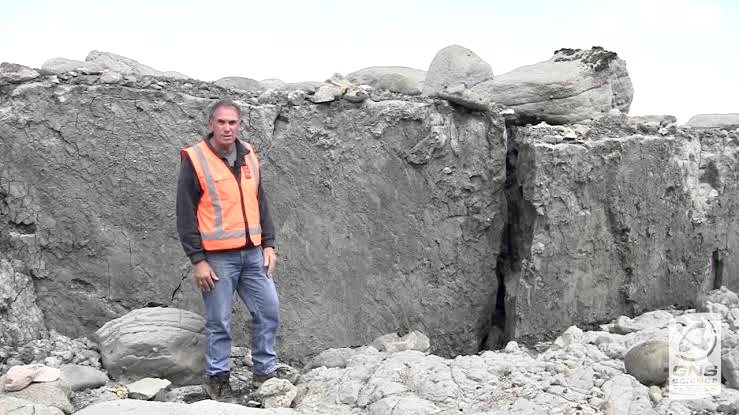
https://teara.govt.nz/en/video/46856/uplift-of-the-kaikoura-coastline
Two people died in the 2016 Kaikōura earthquake and many major roads were closed in the South Island, including the SH1 towards Picton. For three days Kaikōura remained cut off by road due to rockfalls, damaged bridges and infrastructure, road damage and the risk of falling debris. Many tourists were stranded and numerous locals were made homeless because of the extensive damage to buildings and property. The water and power supply were disrupted and there were many instances of subsidence and landslides. It took many, many months to fully restore the transport network and many support services. There was a lot of damage done to sea life too and to the many nesting birds along that coastline. It also had a significant and lasting impact on the coastal ecosystem.
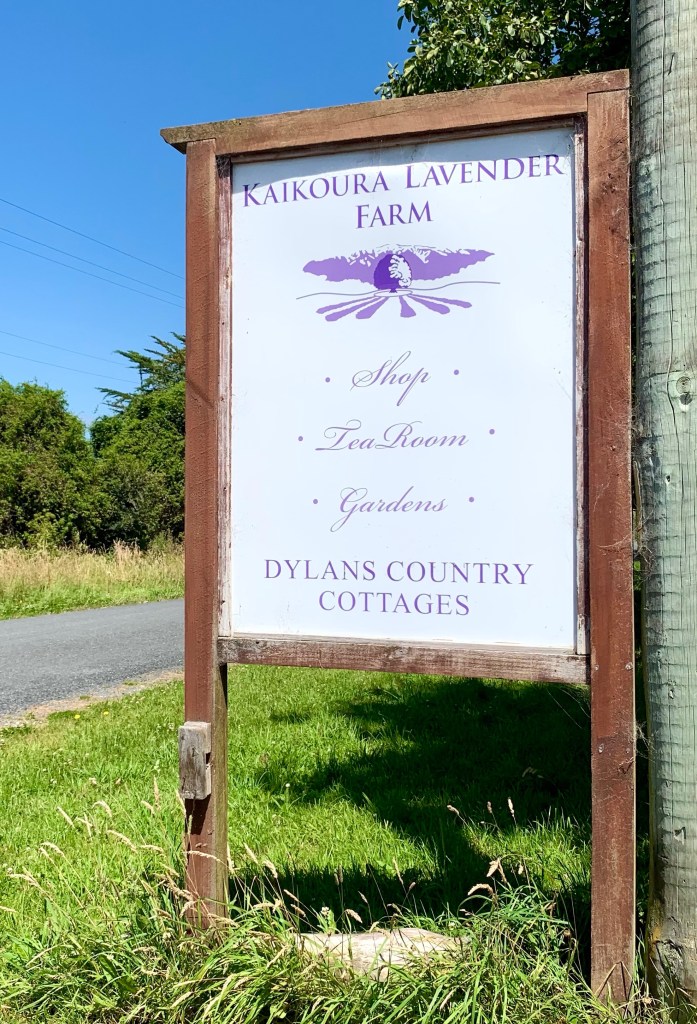
We took a slight detour inland from Kaikōura to visit a lavender farm and it was very well worth the extra drive. Around the car park and the tearoom is a luxuriant garden, full of shrubs of other kinds of flowers than lavender.
If you have a garden and a library, you have everything you need. – Cicero
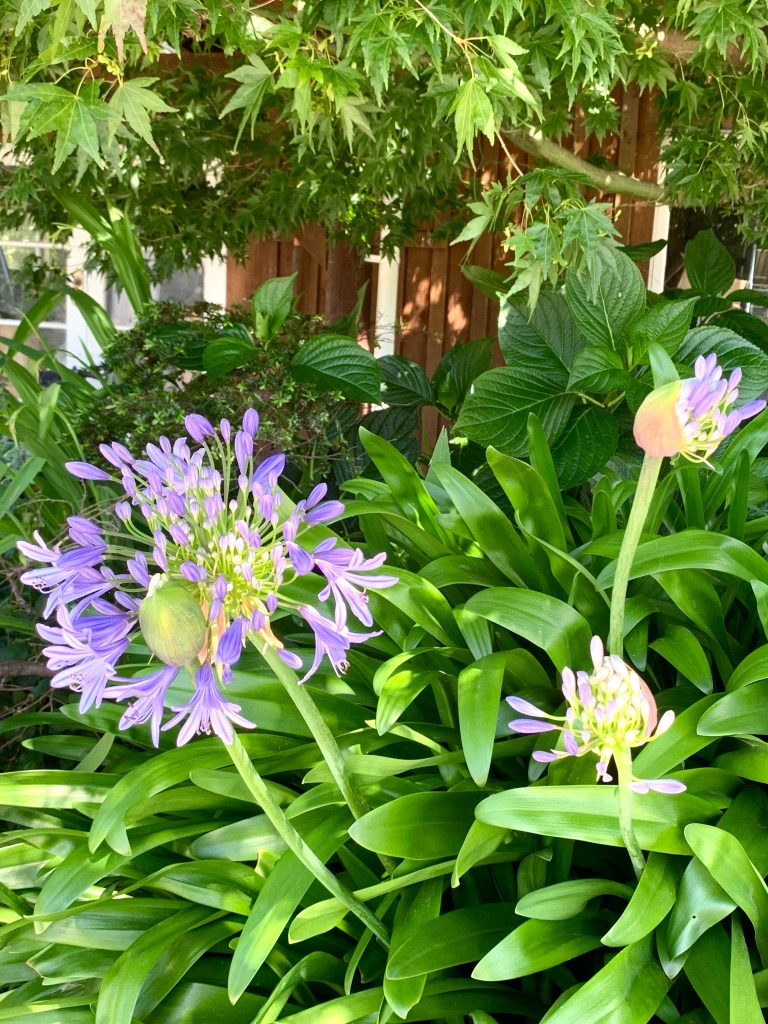
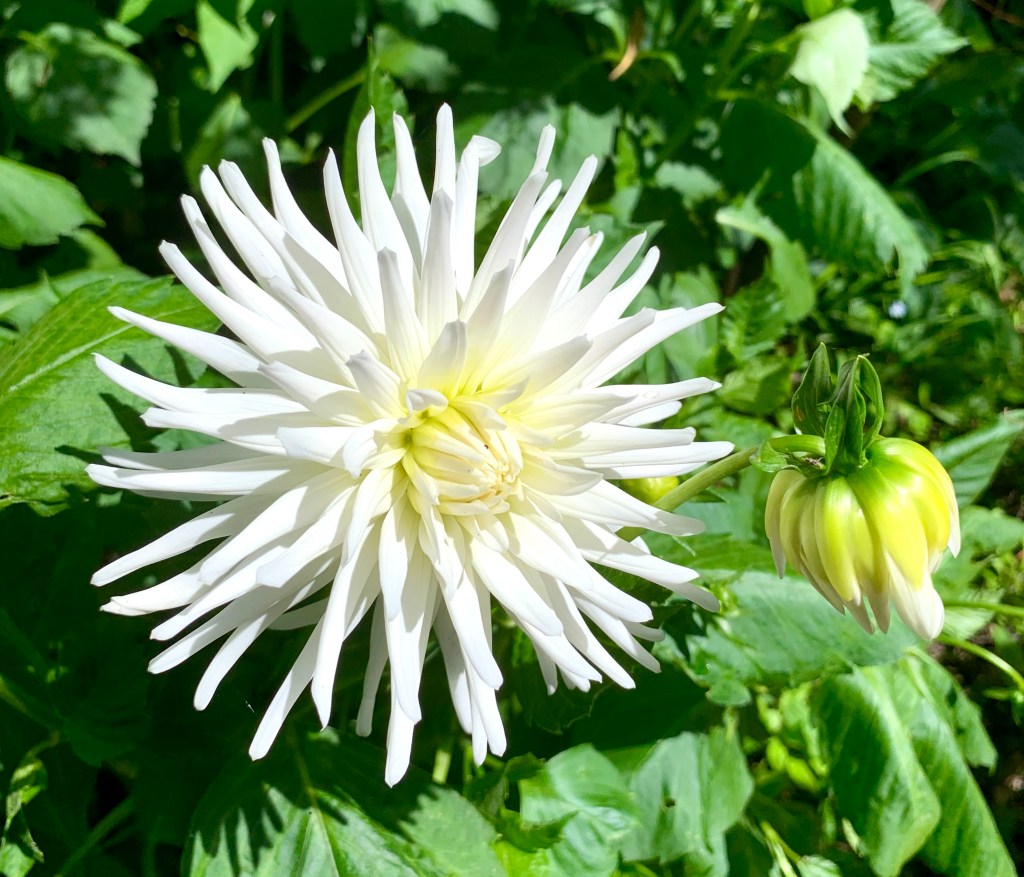
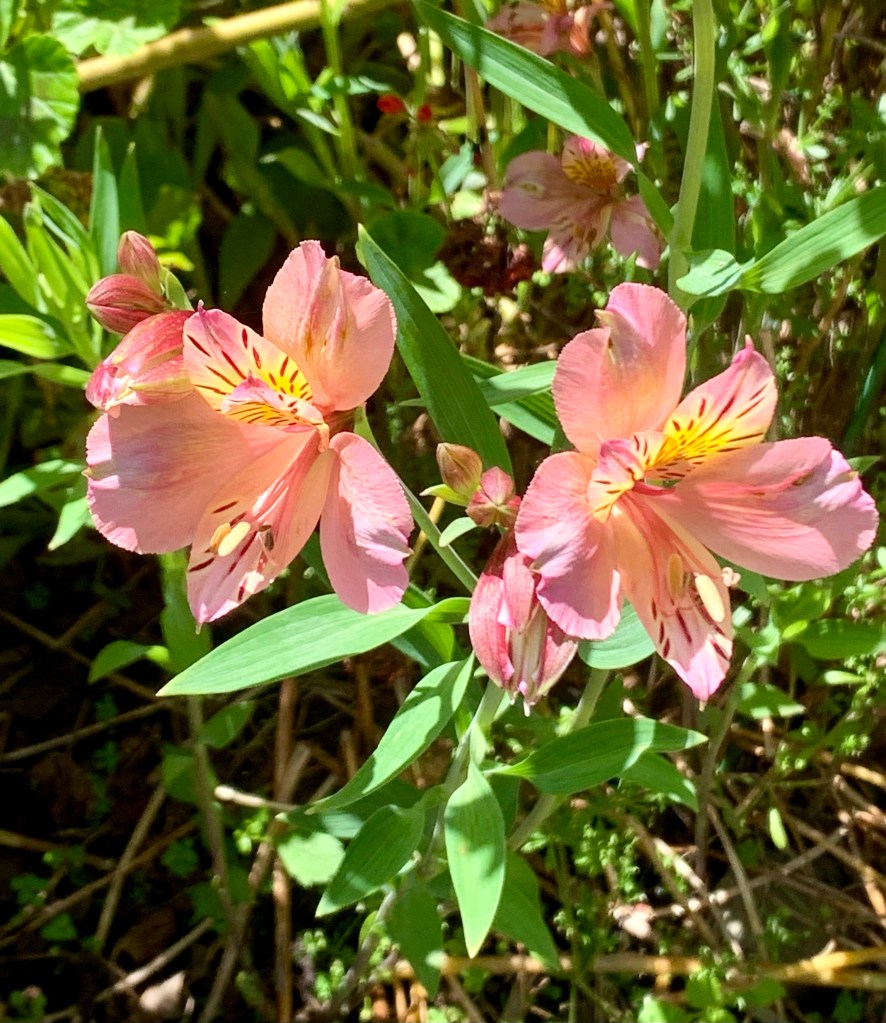
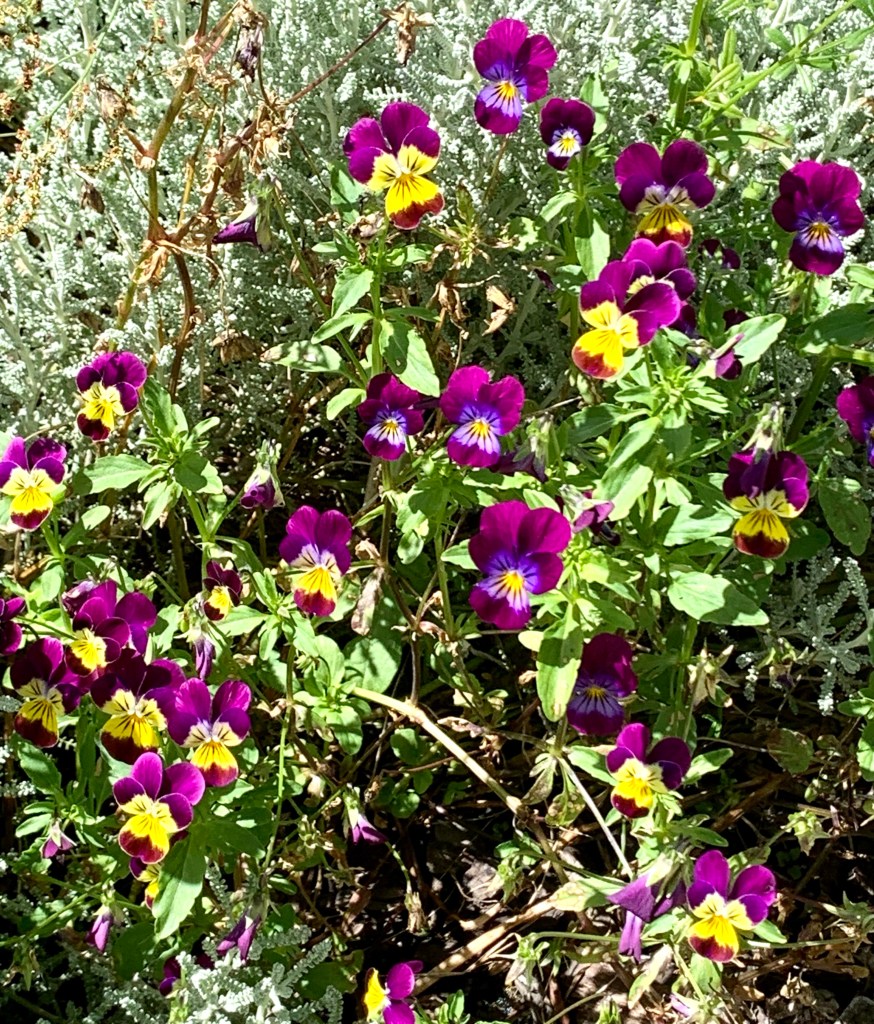
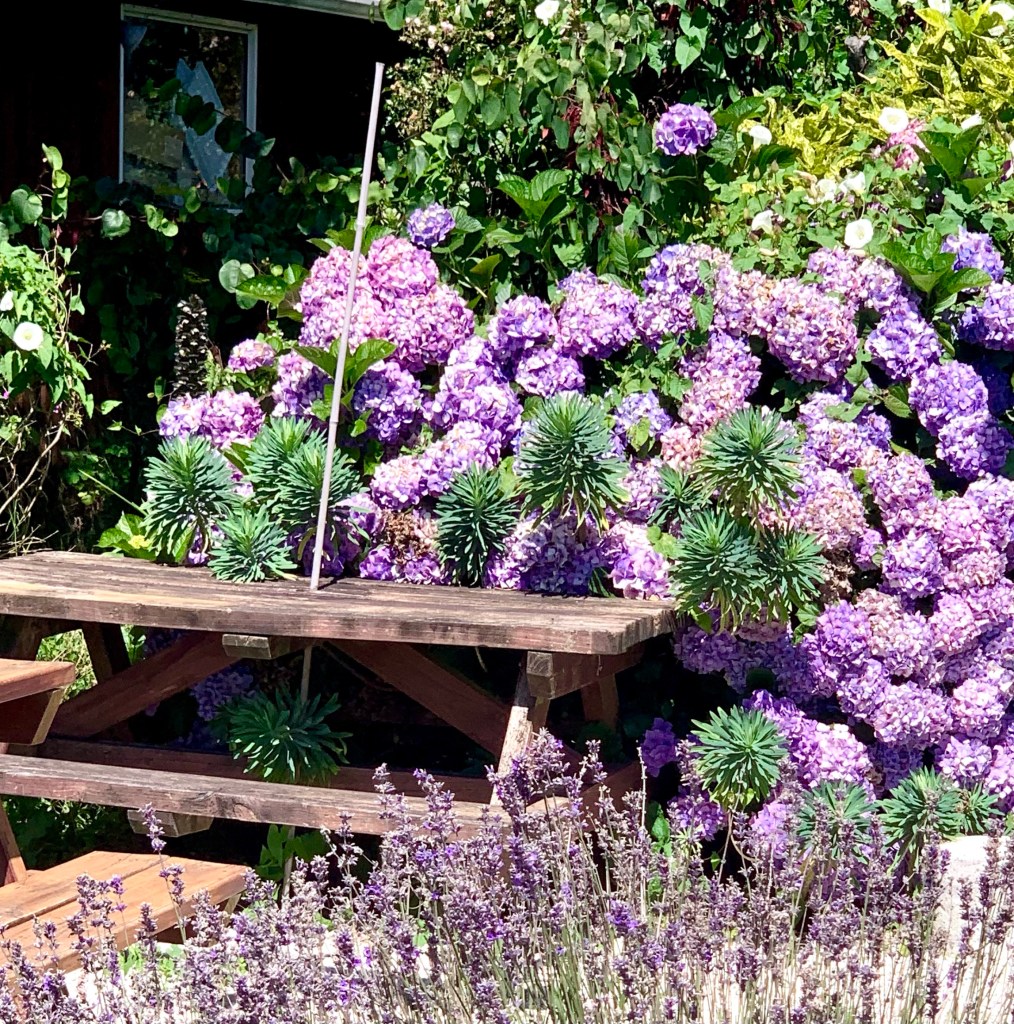
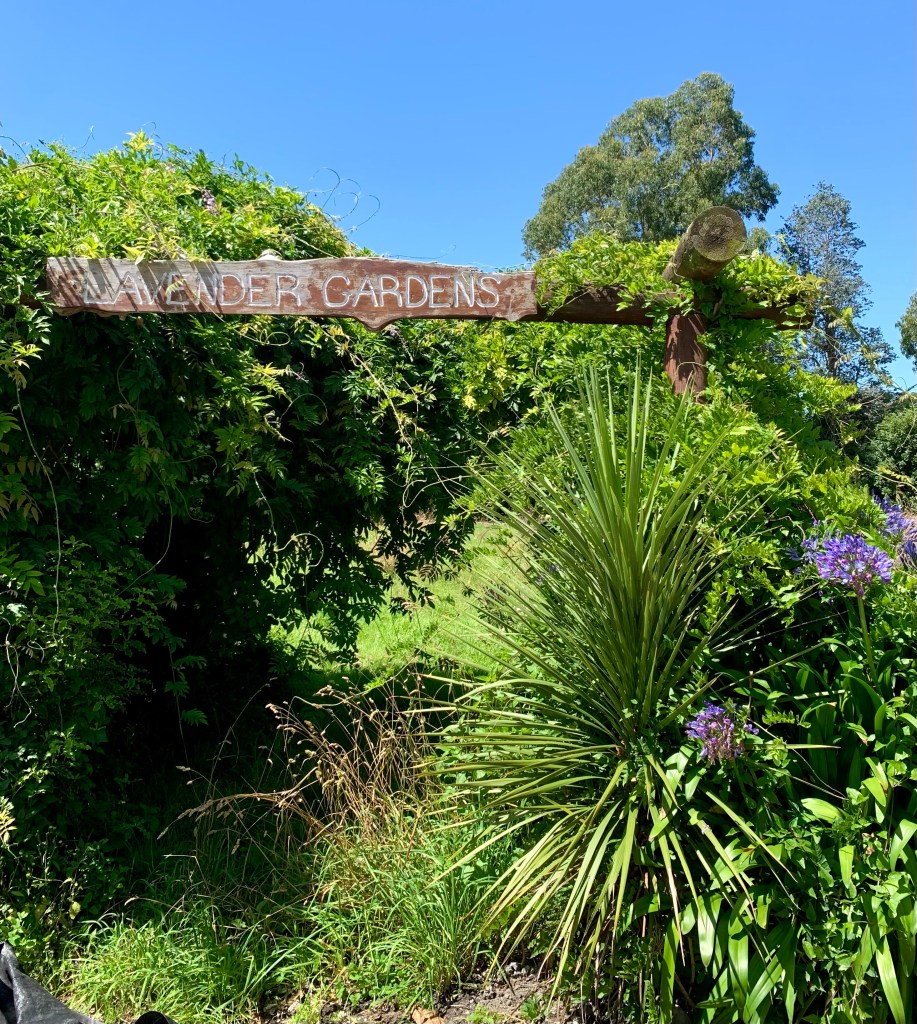
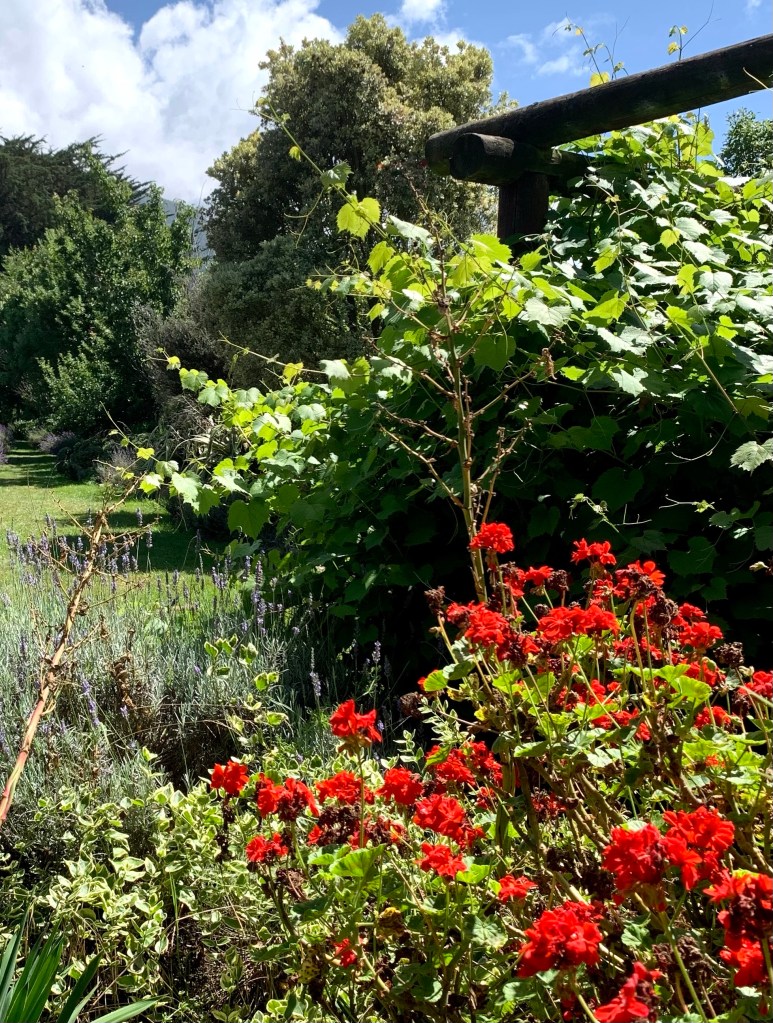
There is always something so exhilarating, heart-gladdening and uplifting about a intensely purple field of lavender. Absolutely glorious in the bright sunshine! We could hear the birds chirping and a very loud buzzing sound before we even saw the lavender fields because there were thousands of bees diligently harvesting nectar and pollen.
-Elizabeth Lawrence 1937
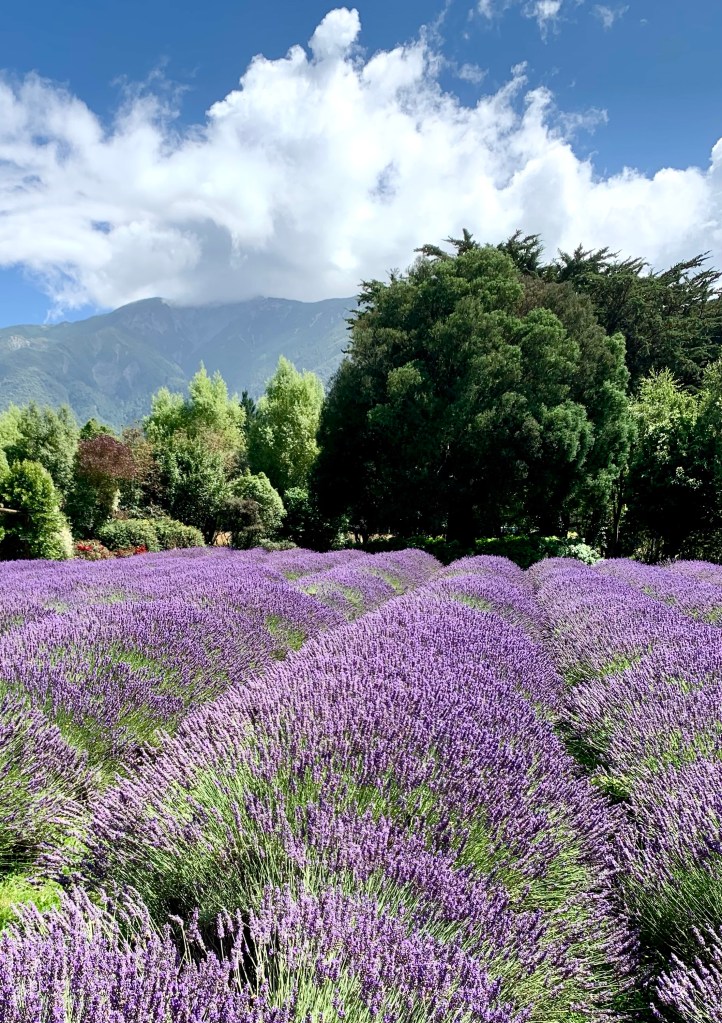
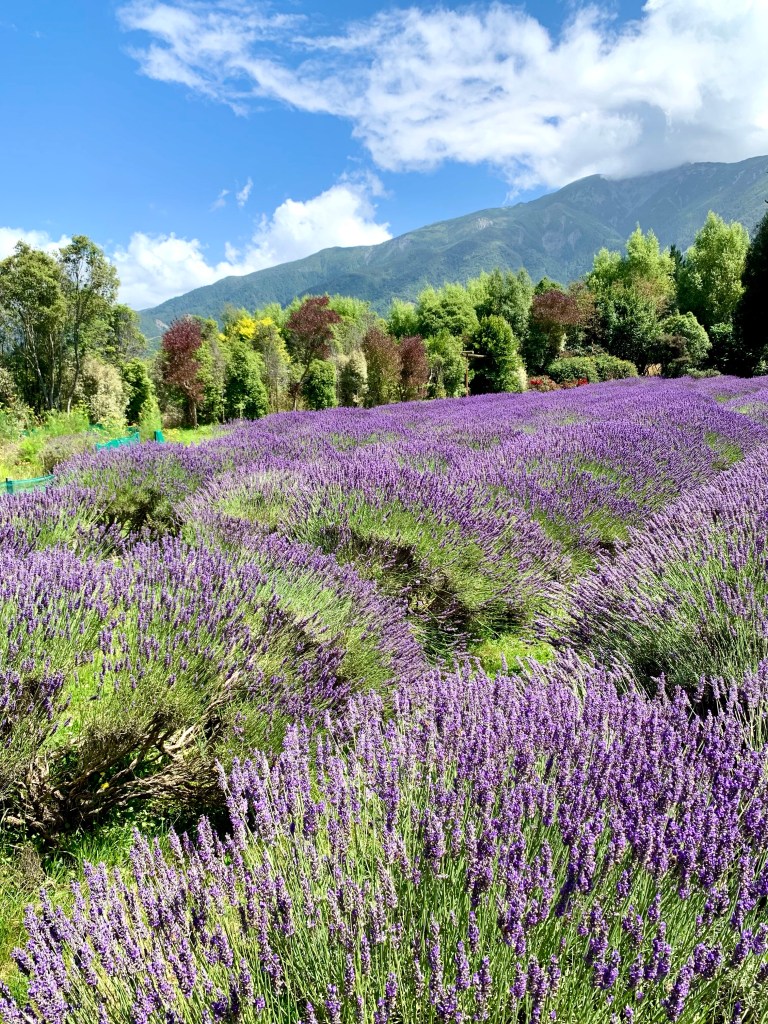
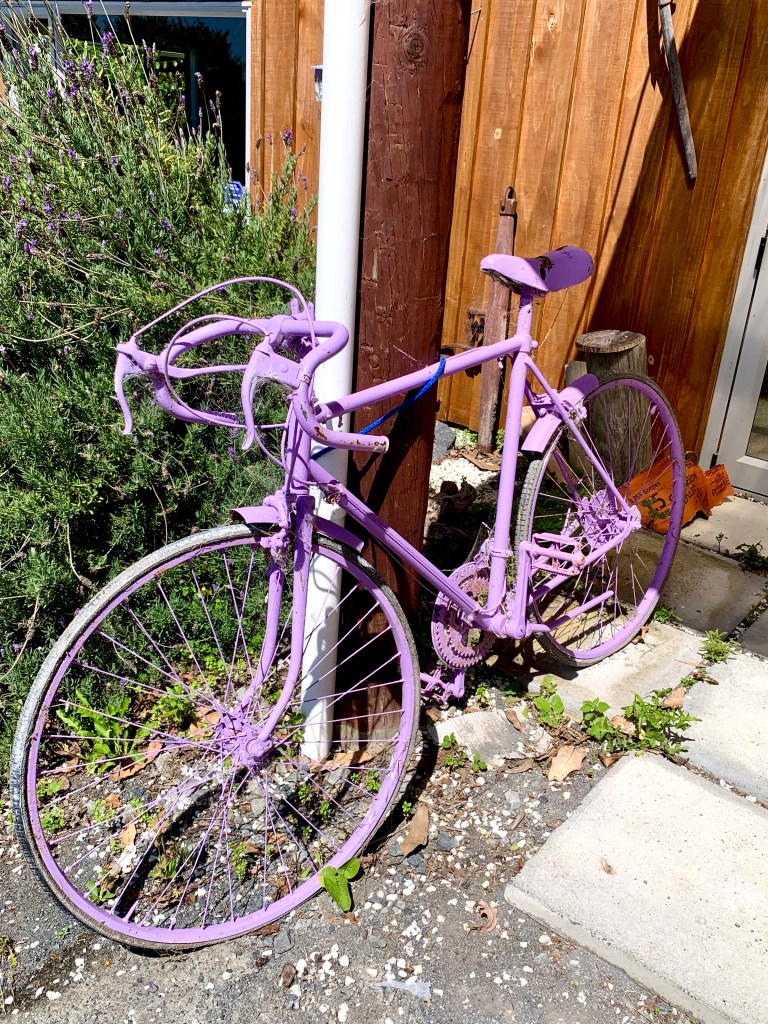
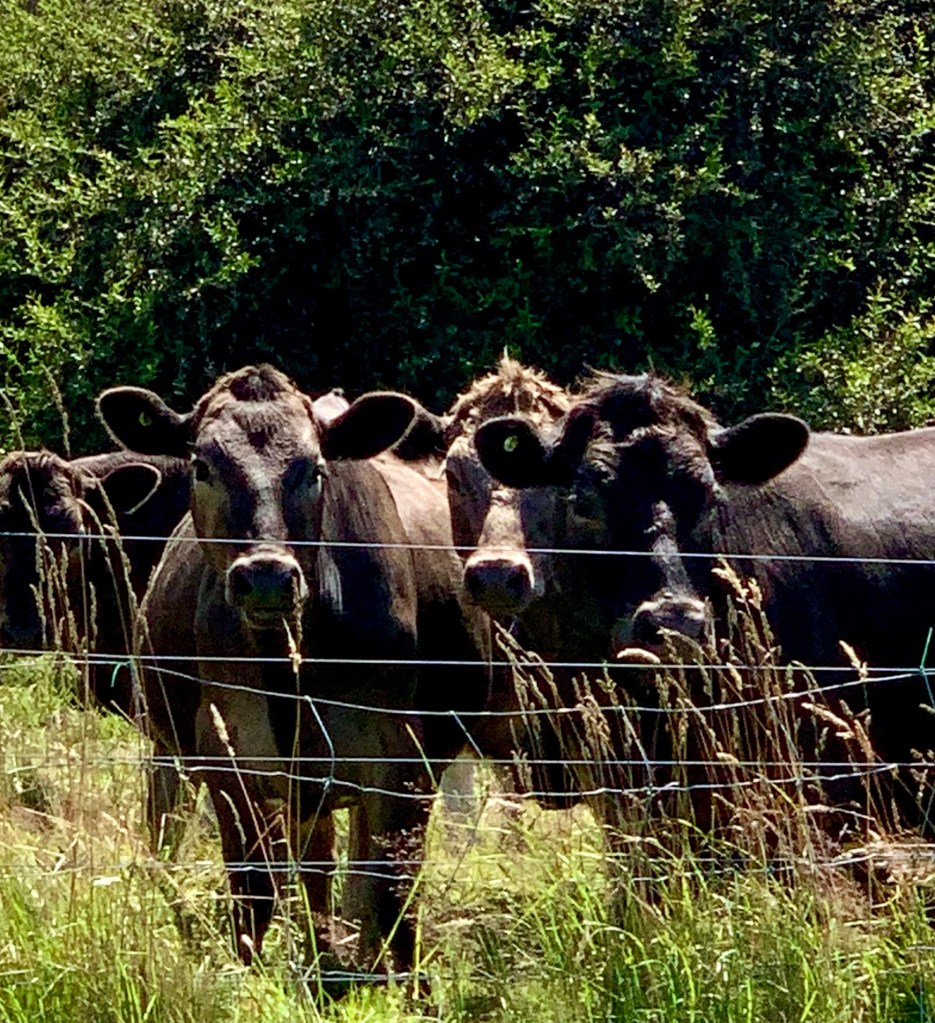
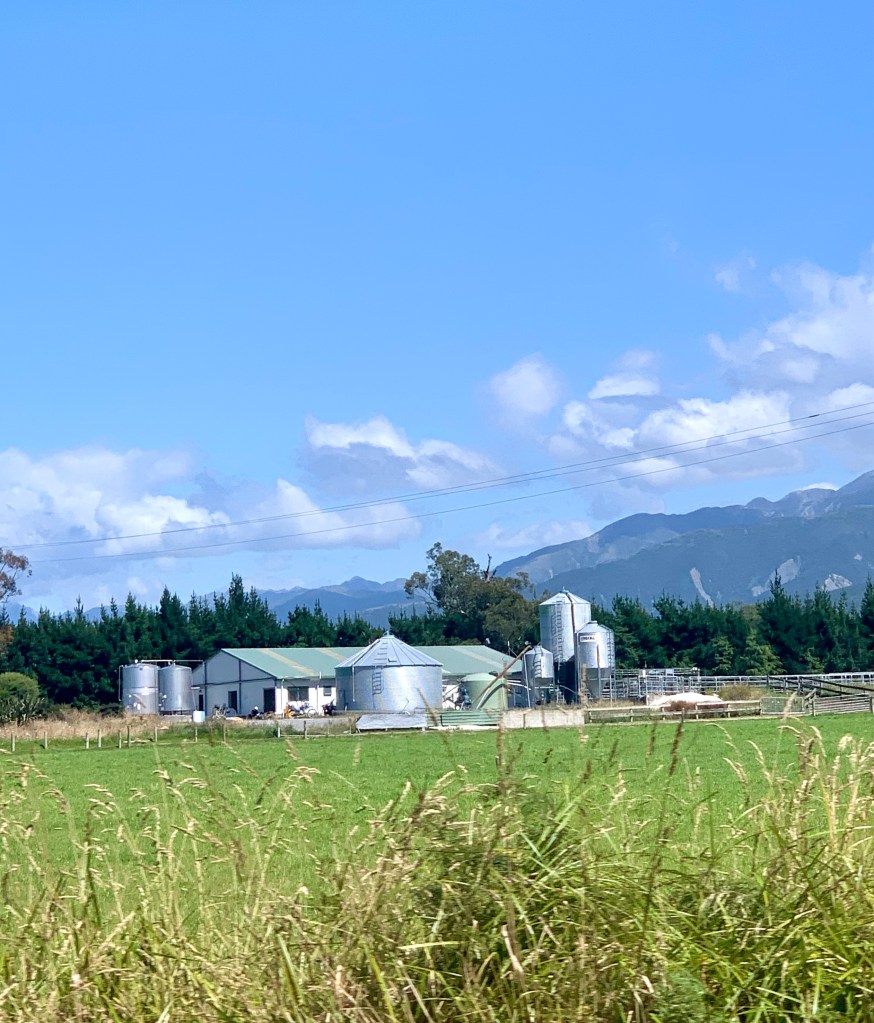
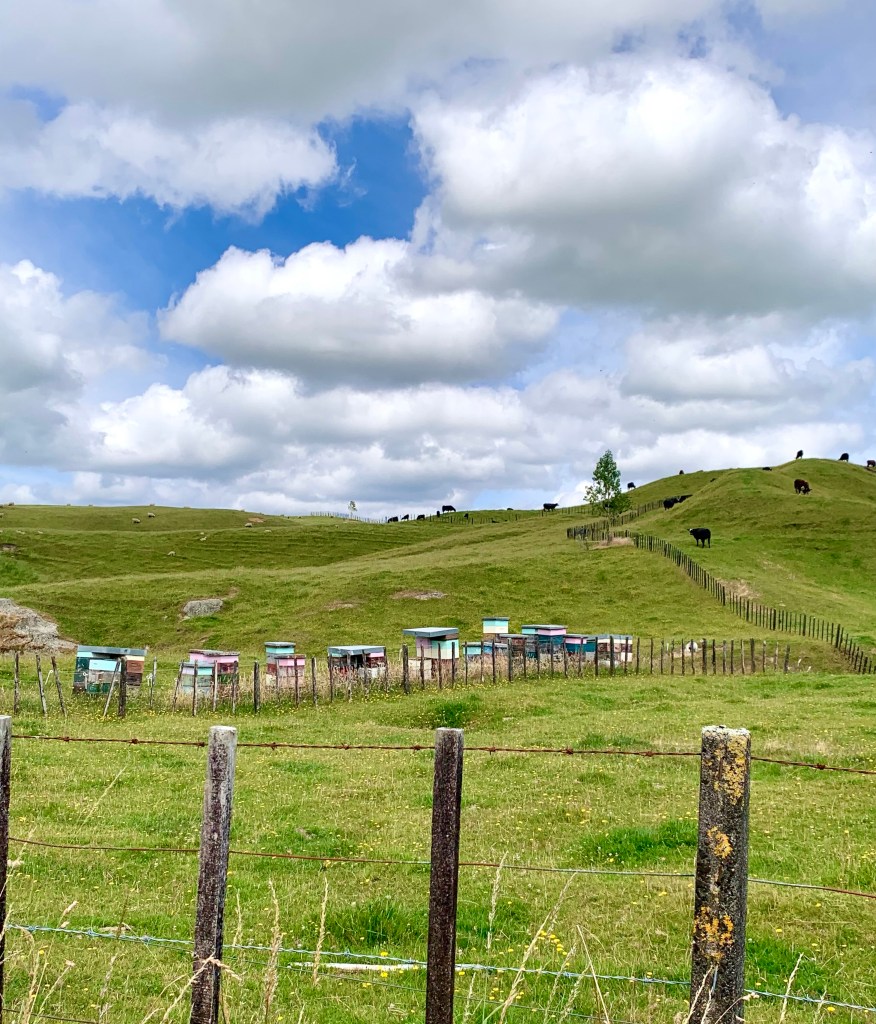
After a thoroughly delightful hour at the lavender farm, we drove back to Kaikōura’s town centre through neat, well-kept farms. My cousin, Carol, commented to me that she had, likewise, been struck by the preponderance of cattle and the dearth of sheep on a similar trip she made through the South Island. Certainly I now know where New Zealand butter and cheese comes from.
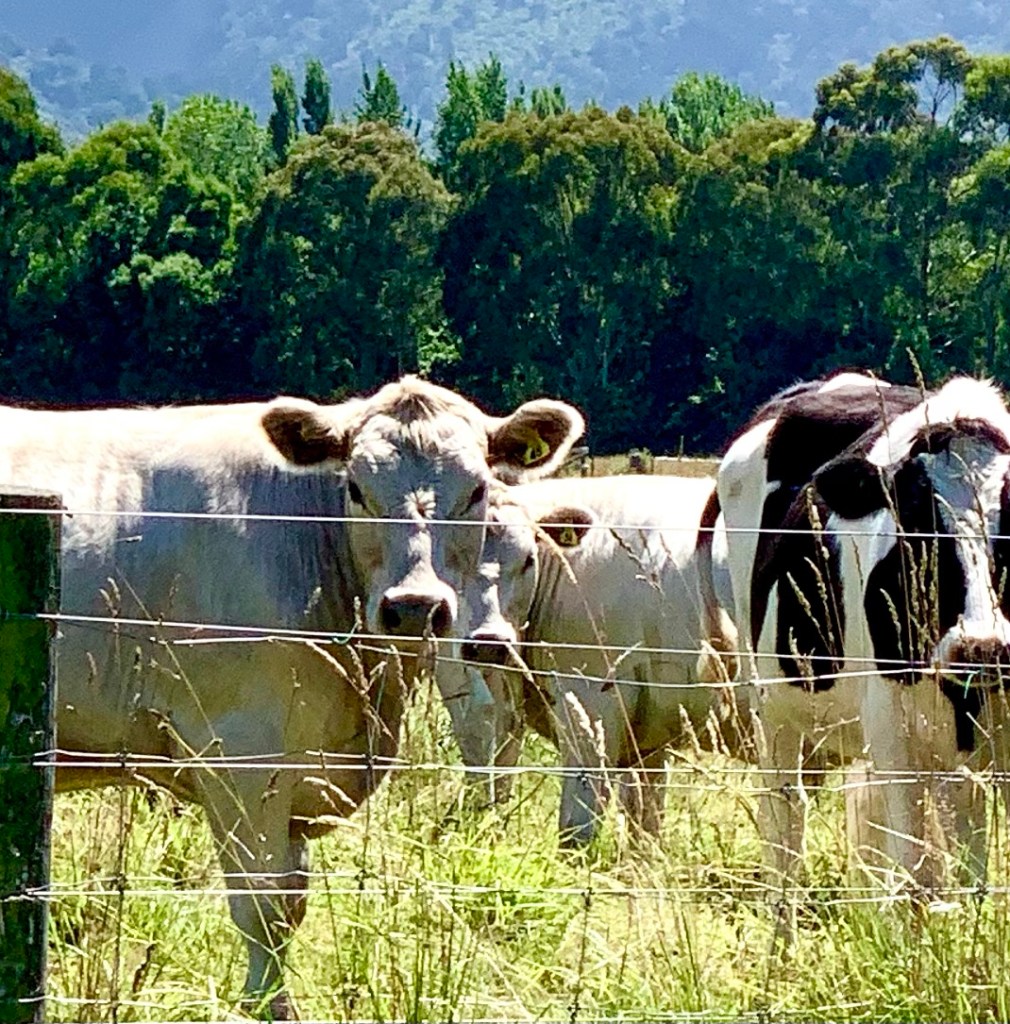
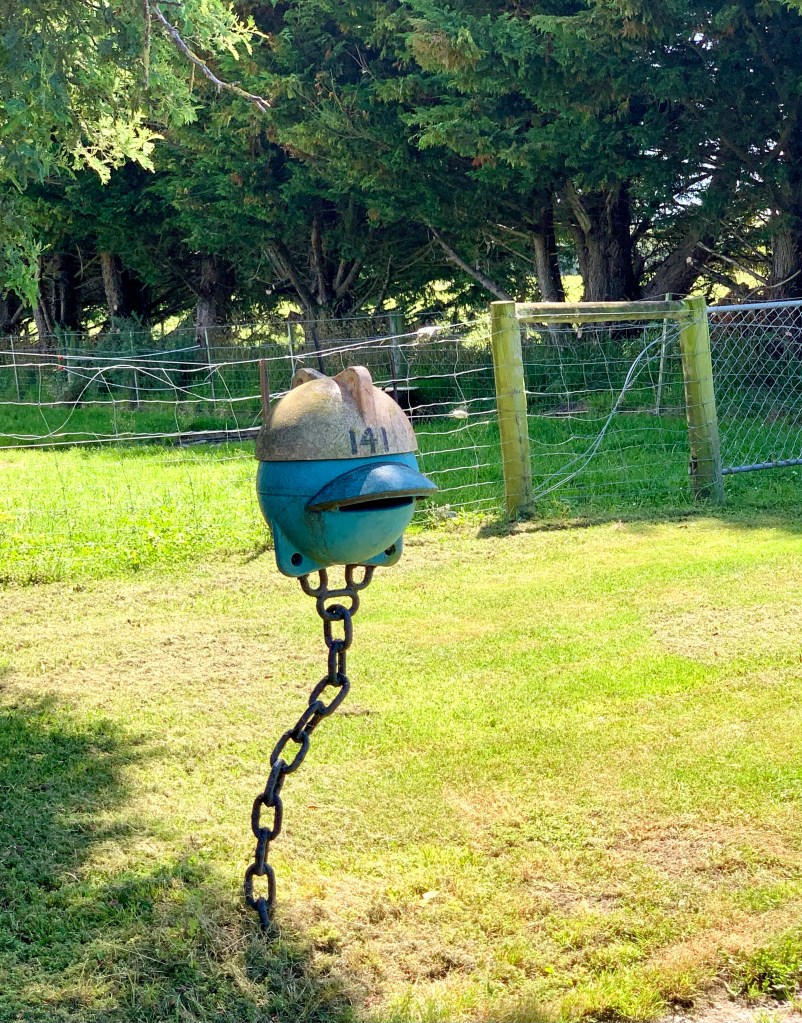
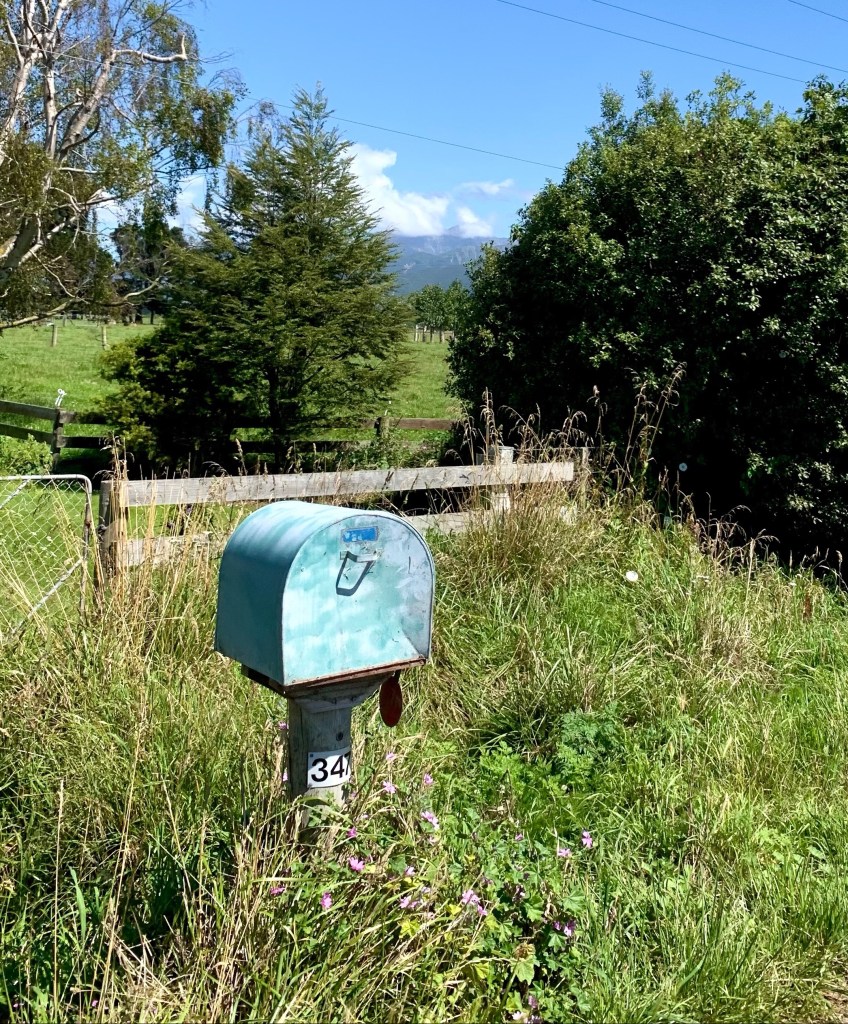
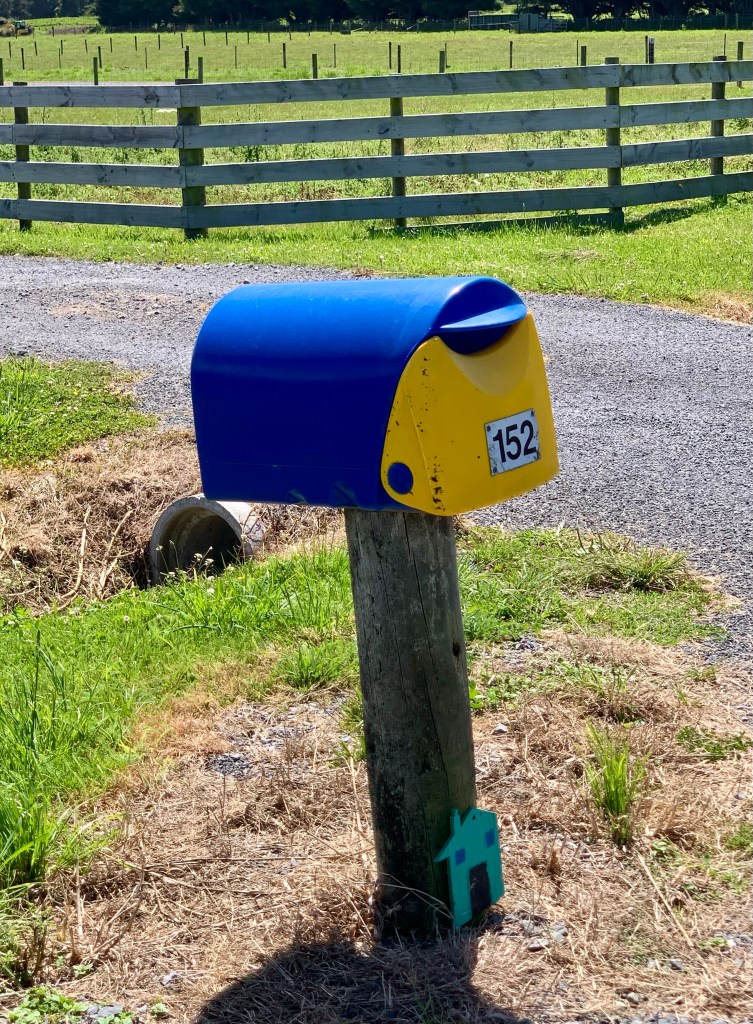
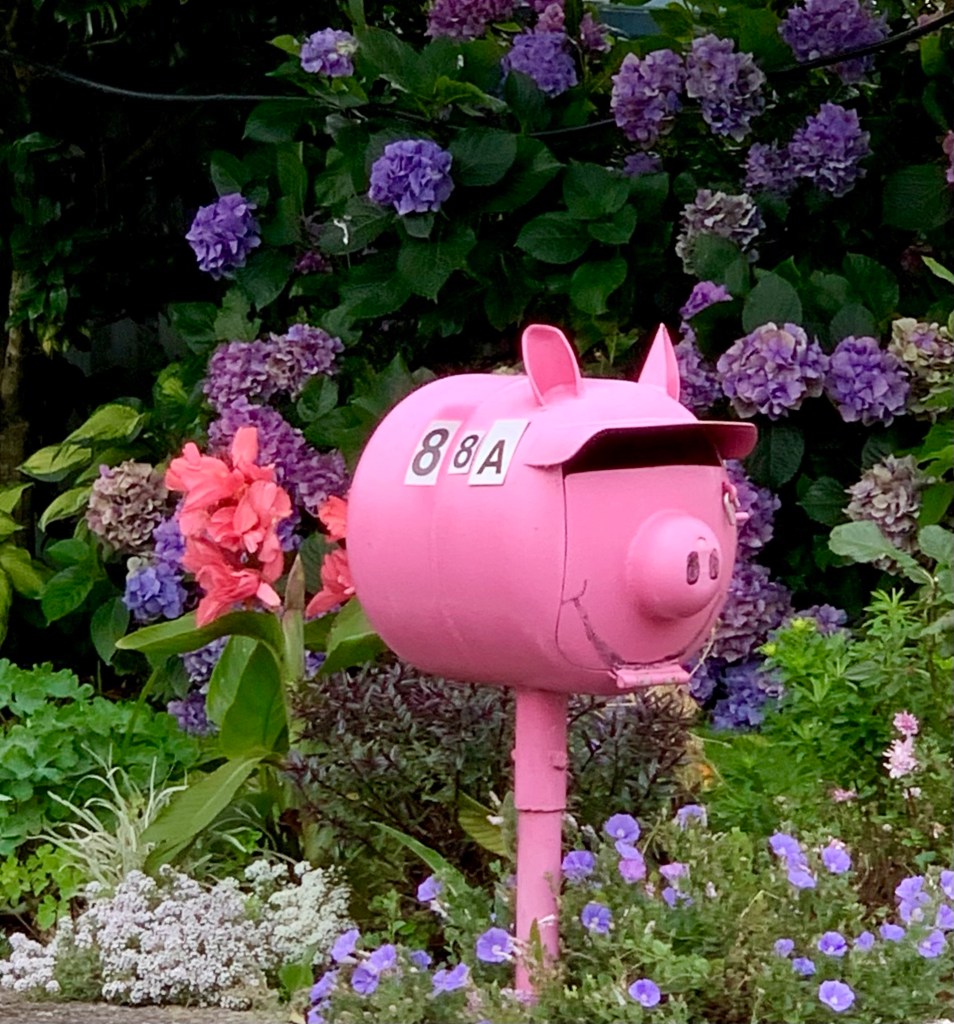
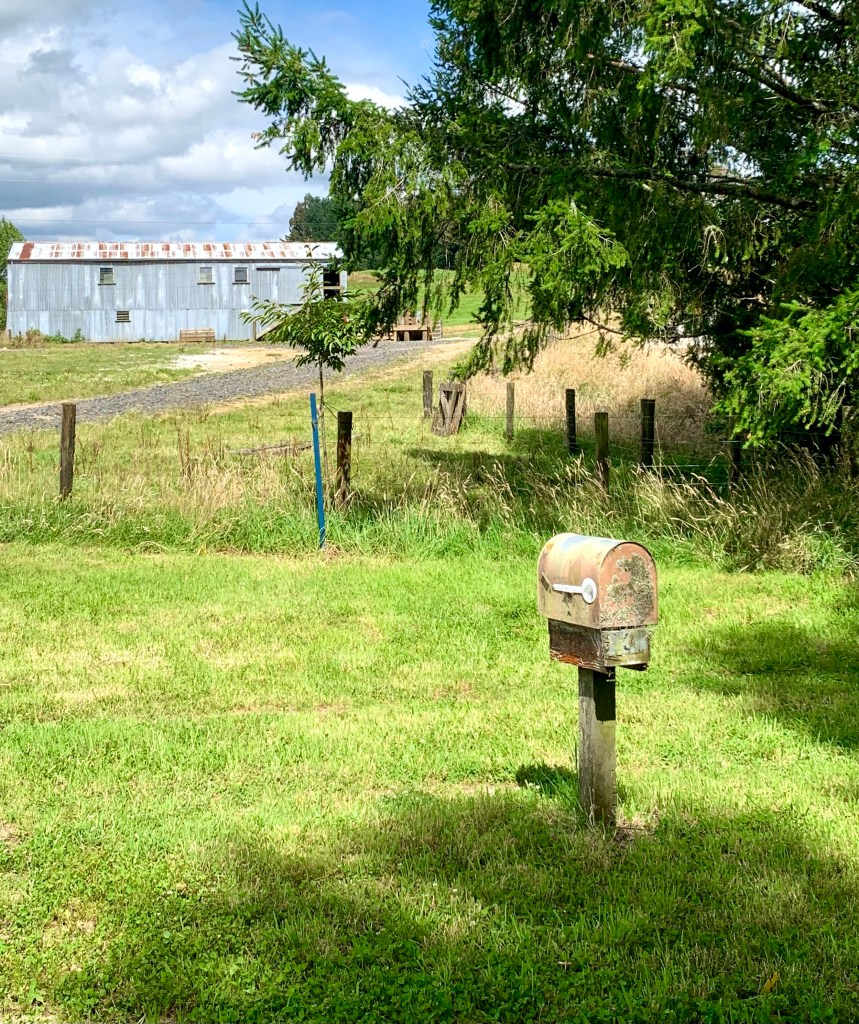
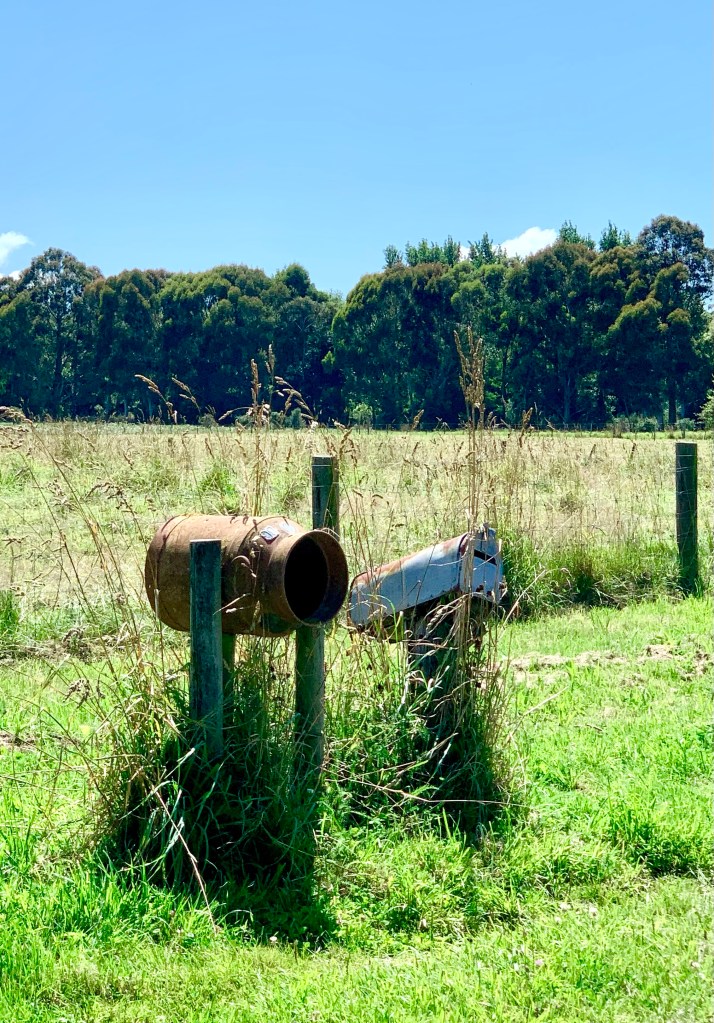
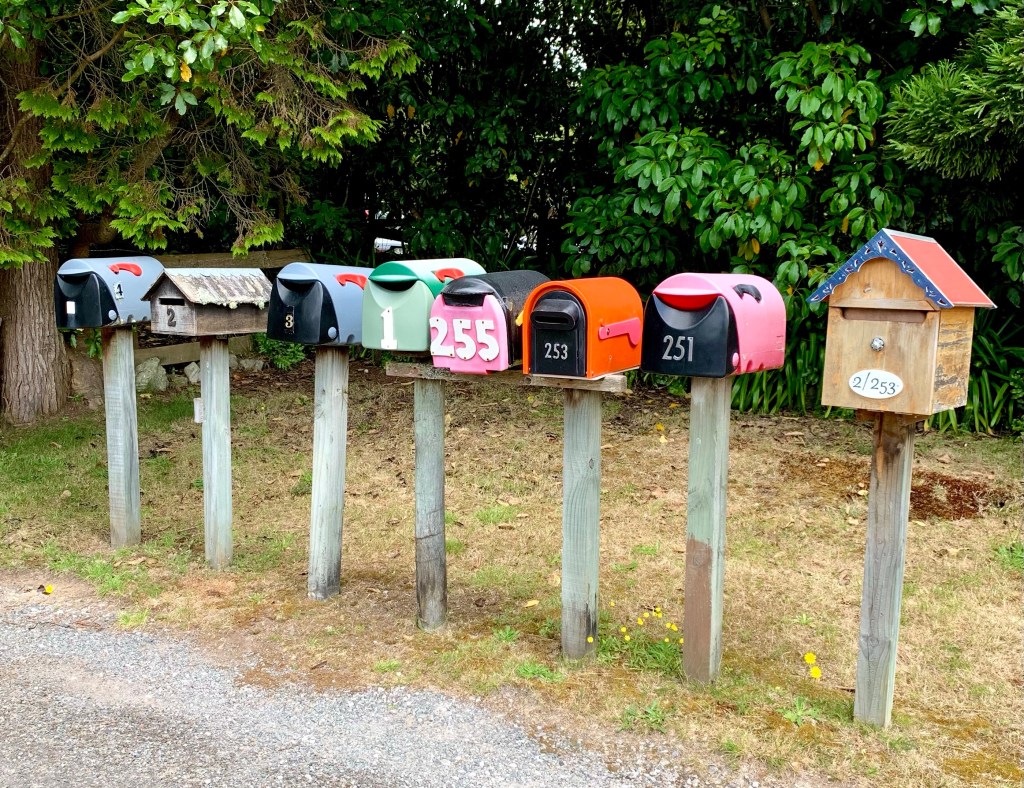
You can’t help noticing the postboxes dotted along the road as you drive through the farmland. They come in all sorts of shapes, colours and sizes and sometimes in multiples. It got me thinking about whether – and how soon – the postal delivery service will become obsolete, like the telegraph and telephone exchanges. My guess is that it will be a long time before that happens because, even though most mail is transacted electronically now, there is an even greater volume of package delivery as retail goes increasingly online. Rural homesteads must be even more dependent on those deliveries than town dwellers are.
We headed back to the town but didn’t linger there, setting off once again, headed north on SH1 for Picton which is 156km away. There is a lot to do and see in the area around Kaikōura, like whale watching, but unfortunately we don’t have time for it this time round. I would really like to come back and spend several months on the South Island and do much more leisurely exploring.
 Unhitched