Today is the start of the Year of the Water Rabbit in the Chinese horoscope; it runs from the 22nd of January 2023 to the 9th of February, 2024. The sign of Rabbit is a symbol of longevity, peace and prosperity and 2023 is predicted to be a year of hope.
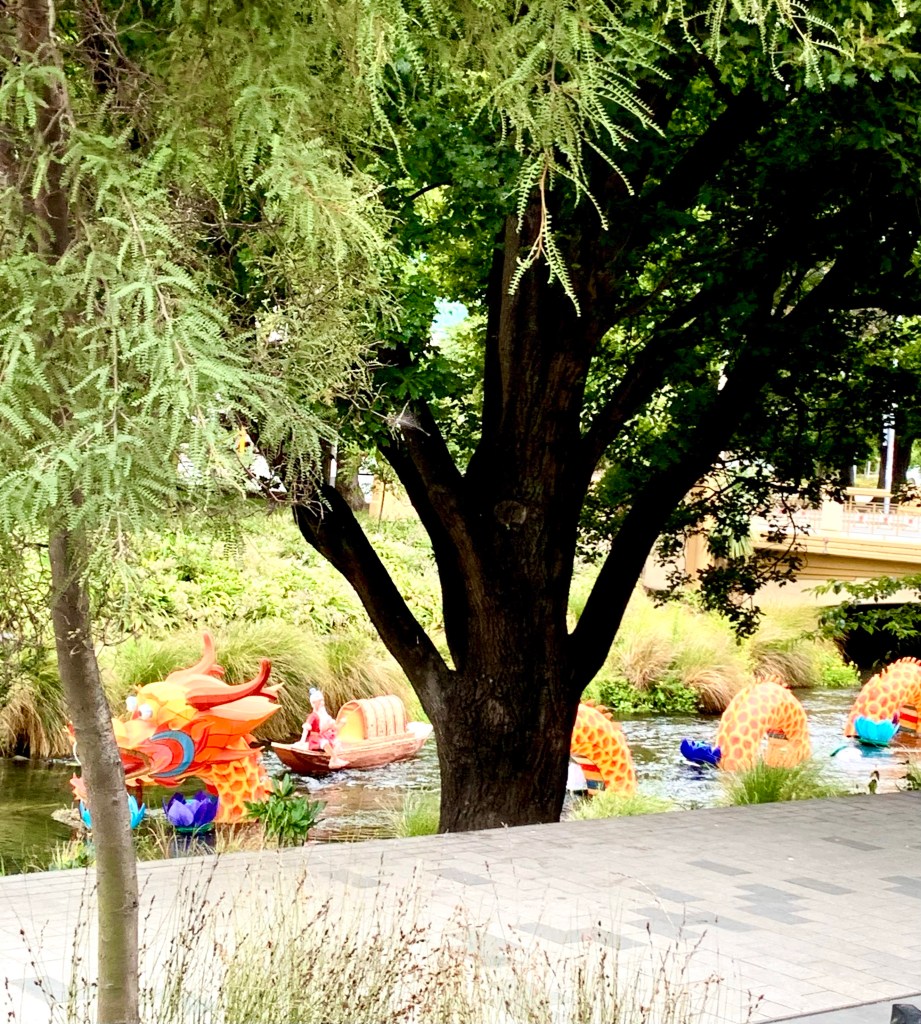
May the Year of the Rabbit bring you and your loved ones good health, happiness, friendship, love, contentment and good fortune.
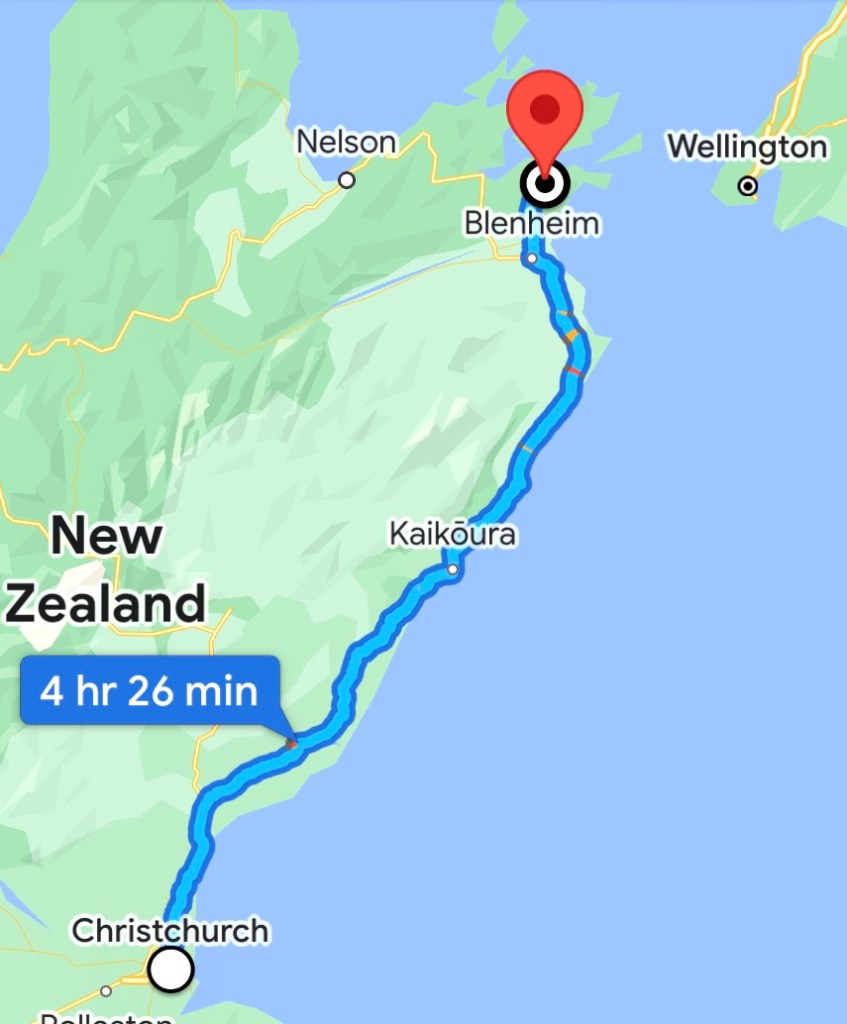
We set off after breakfast on our 336km drive to Picton up SH1 that runs along the east coast of the South Island. The weather was clear and bright and the sky was mostly cloudless.
Very soon after we left the urban area and drove into the Canterbury region north of Christchurch we found ourselves once again in abundantly fertile farmland with a mixture of crops and animal husbandry, mainly cattle. It is also wine country and we passed a number of vineyards.
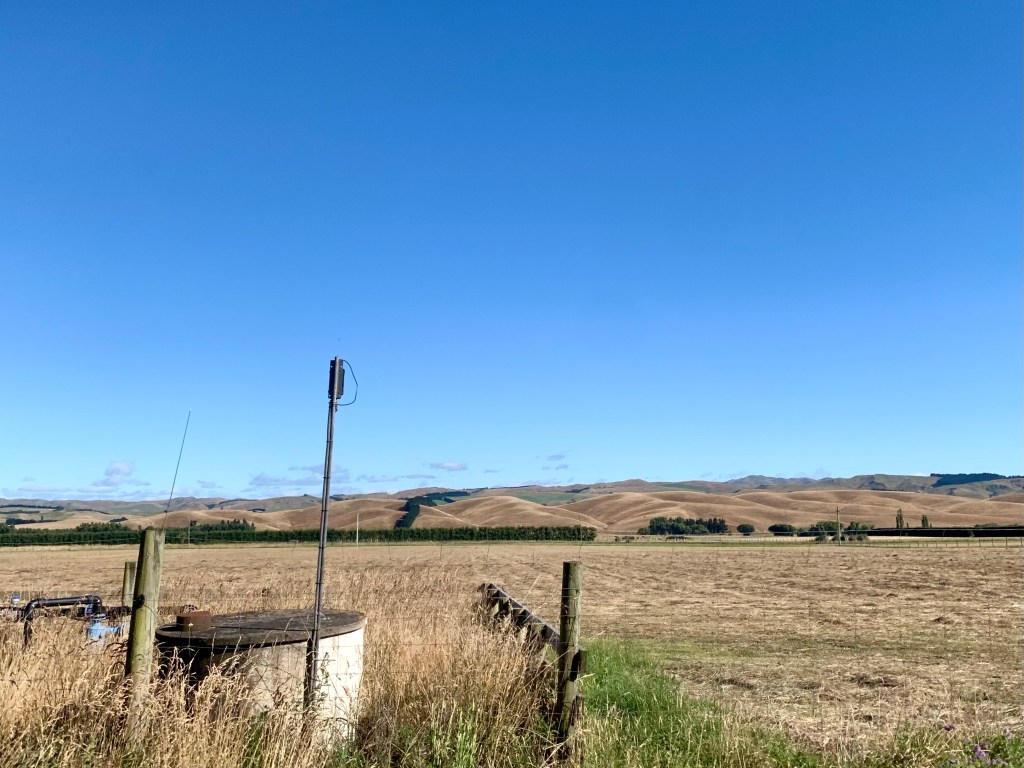
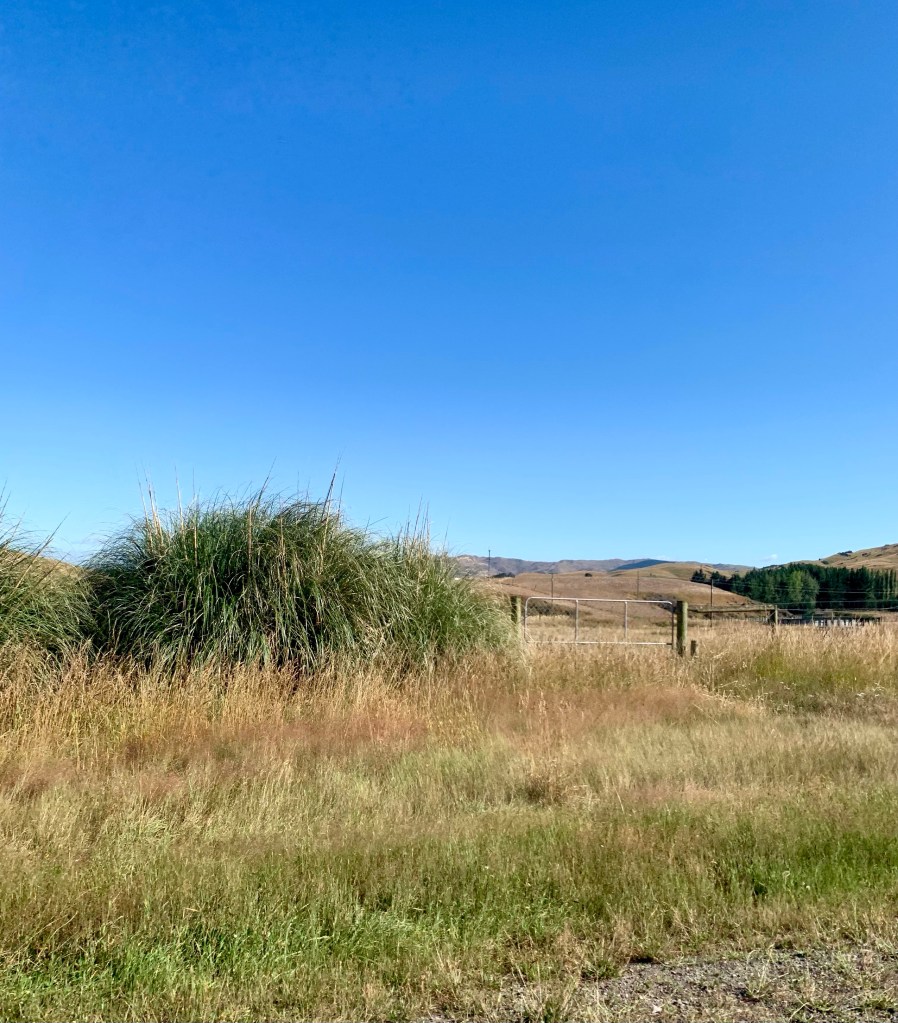
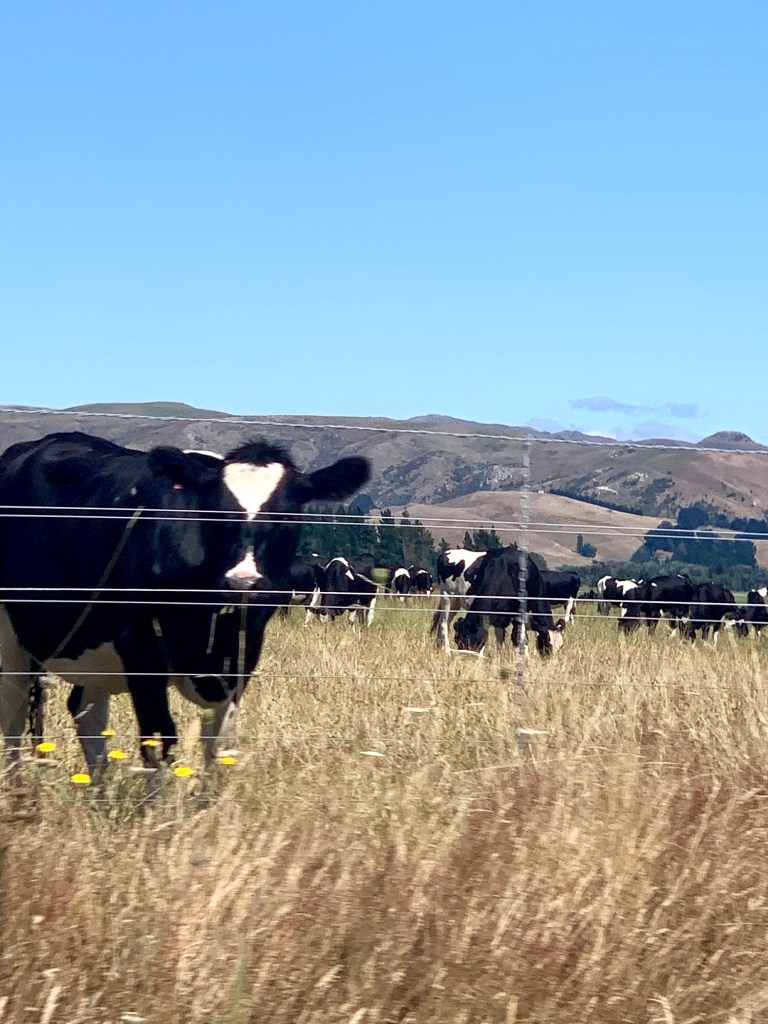
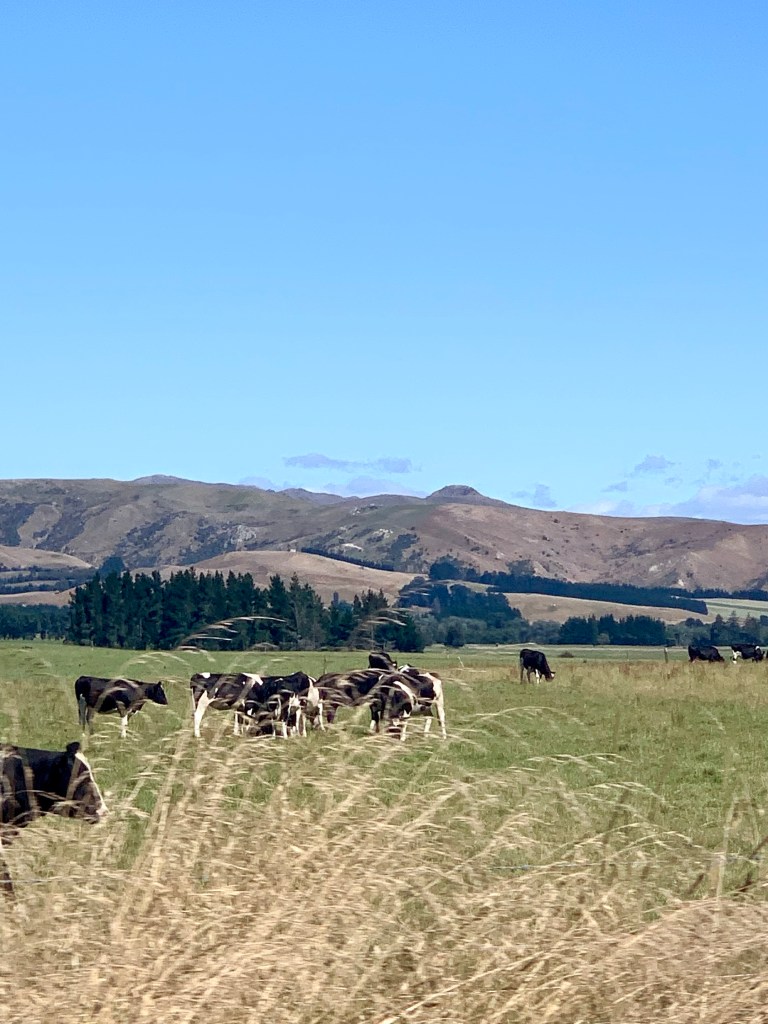

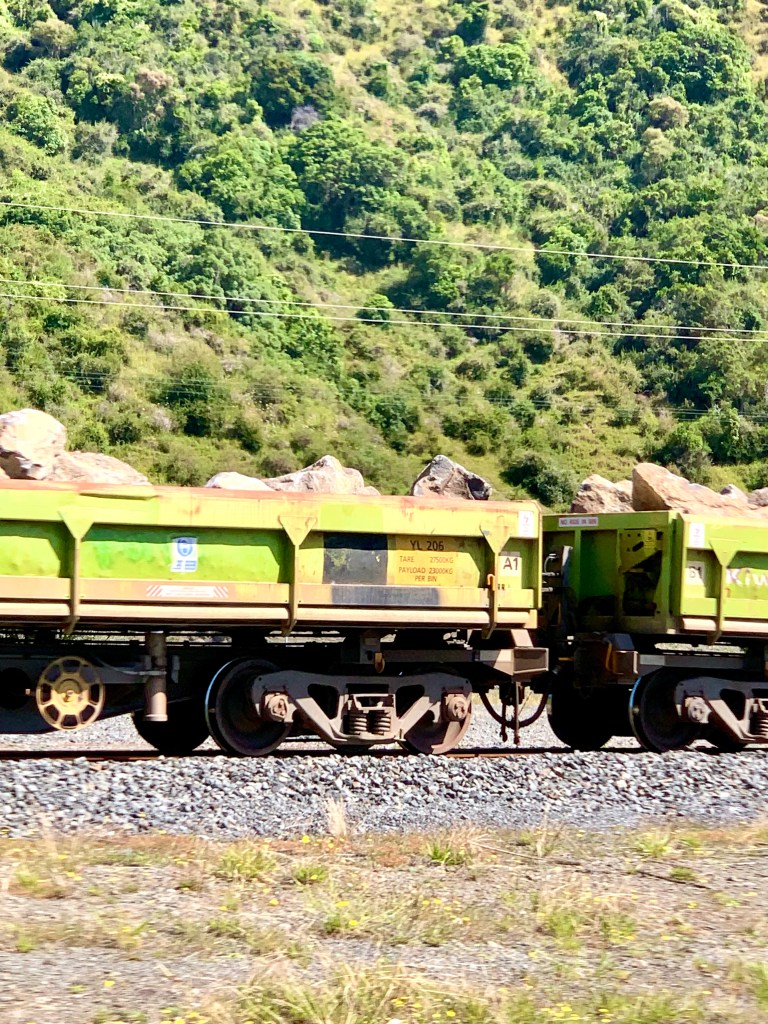
There are long flat plains stretching away into the distance on both sides of the road, with hills in the far distance and the railway tracks ran alongside us, as they did for most of today’s journey. The tracks are those of the Main North Line that runs between Christchurch and Picton. It was the longest railway construction project in New Zealand’s history, with the first stages built in the 1870s and not completed until 1945.
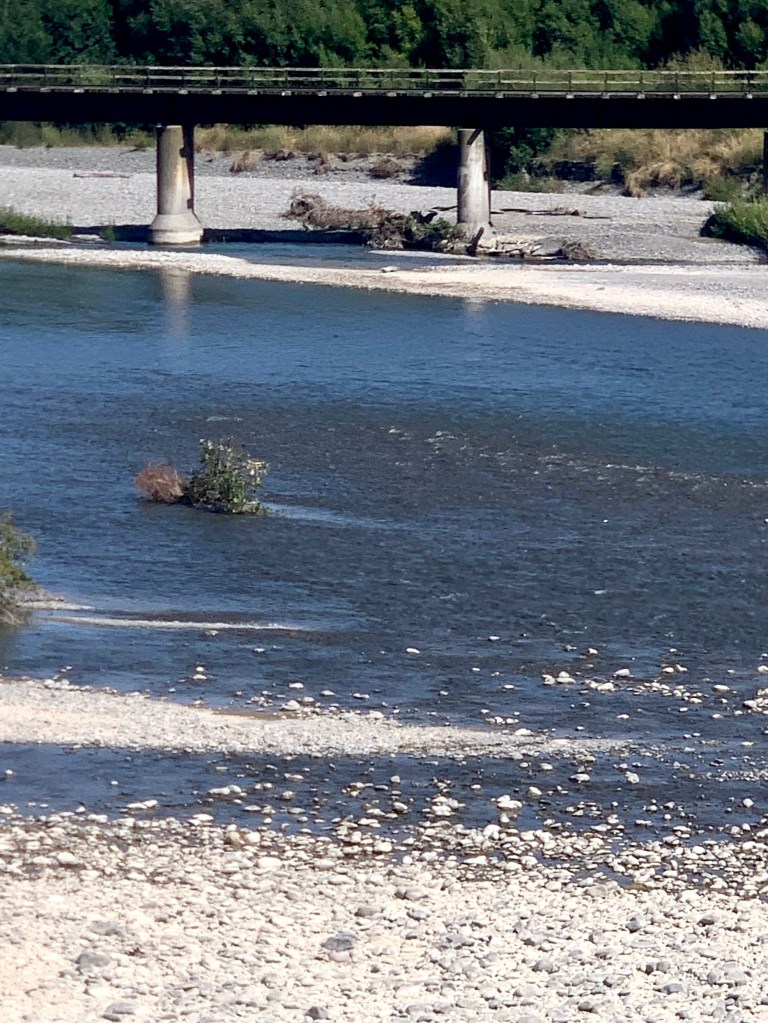
The towns along the way are few and far between and some of them are small rural settlements rather than towns: Woodend, Waikuku, Leithfield, Amberley, Waipara, Omihi. Jackie told me that the Māori word for water, like its counterpart in the Hawaiian language, is wai which explains why that word crops up so much. The early Polynesian settlers of the Hawaiian Islands identified water with wealth. Wai is the Hawaiian word for fresh water and waiwai means prosperity. Wai ola means the water of life and, indeed, there is no life without pure, clean water.
There is a lot of water in this country and we’ve already crossed quite a number of rivers on our trip. Waikuku has a population of 156 (2018 census) and is situated near the Ashley River. The Māori word waikuku translates as freshwater mussel waters. Waipara, population 312 (2018 census,) is situated on the banks of the Waipara River whose name translates to “Muddy Water”, wai meaning water and para meaning mud.
Thousands have lived without love, not one without water. – W. H. Auden
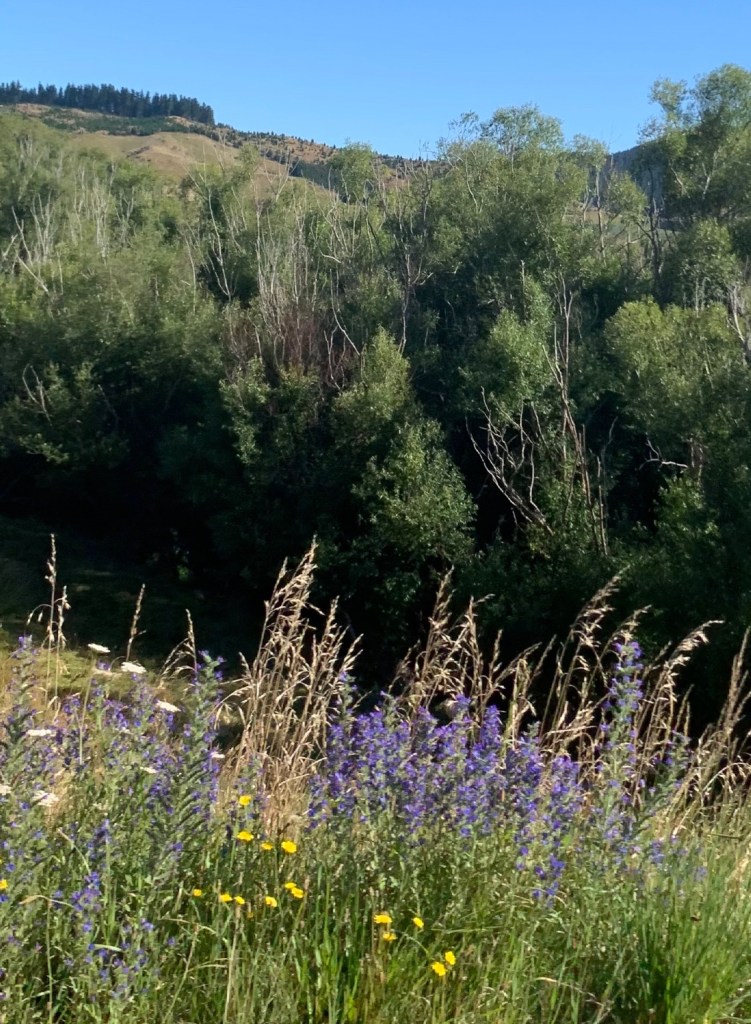
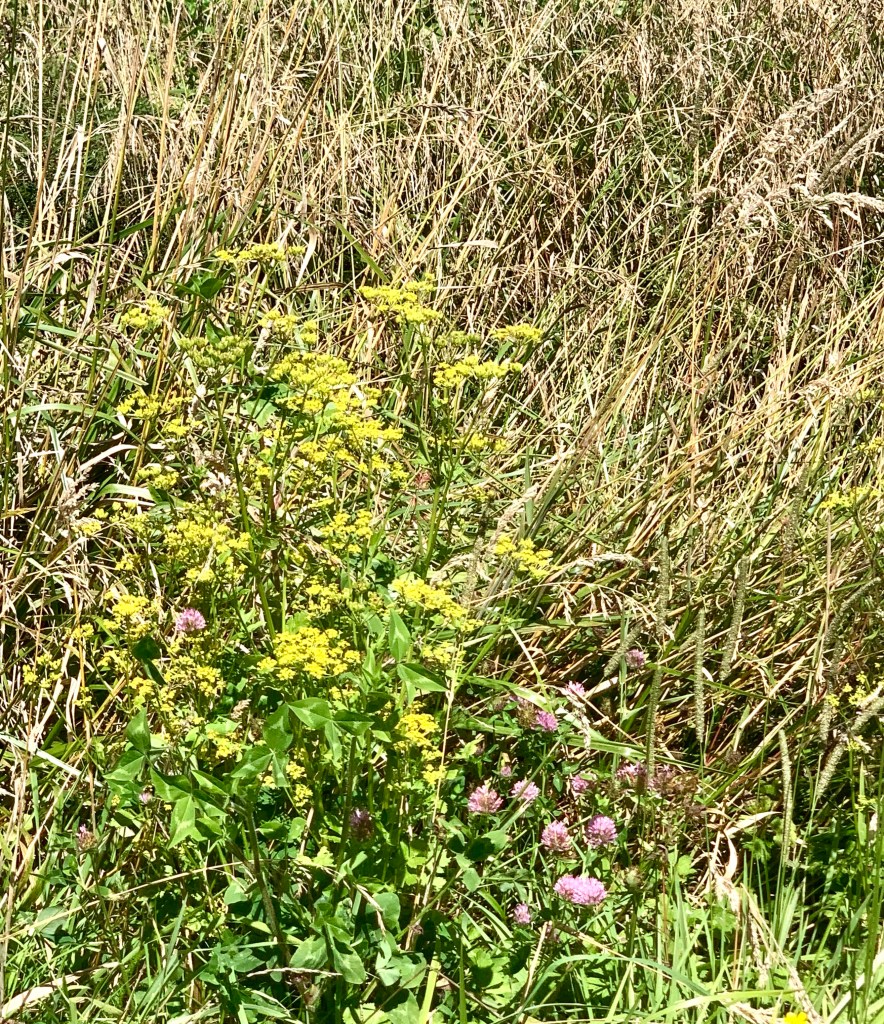
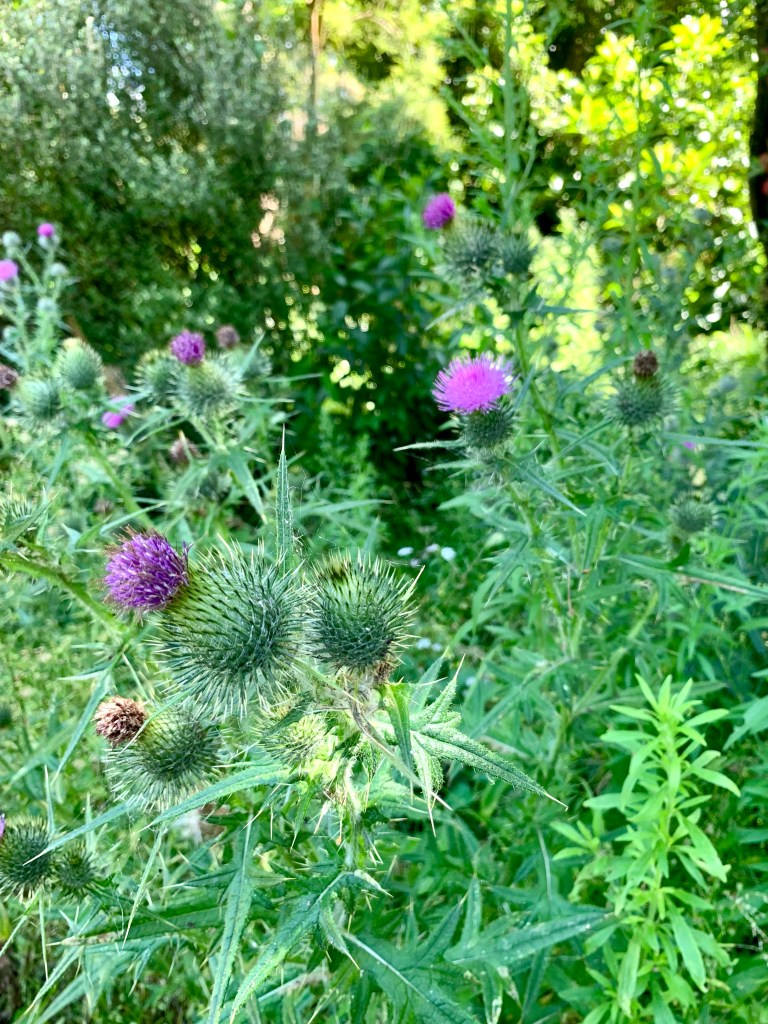
There are lots of wild flowers of different varieties that grow among the tall grasses along the verges of the road. You’ll see one, two or three varieties for a few kilometers and then another type will start appearing. Sometimes they occur together and at other times one type will definitely predominate.
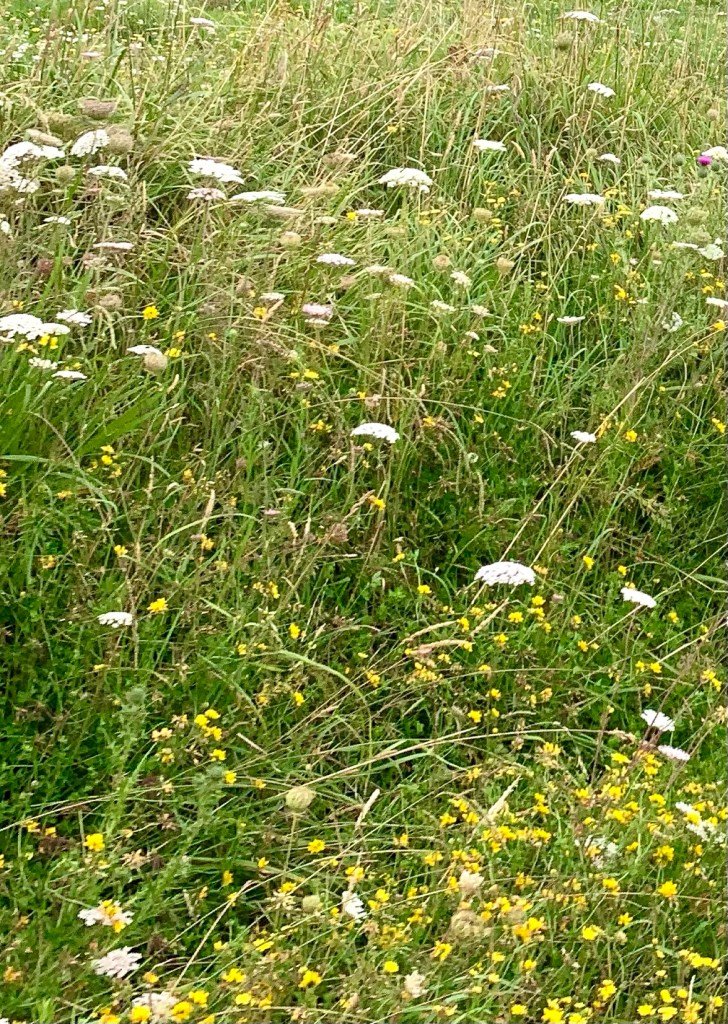
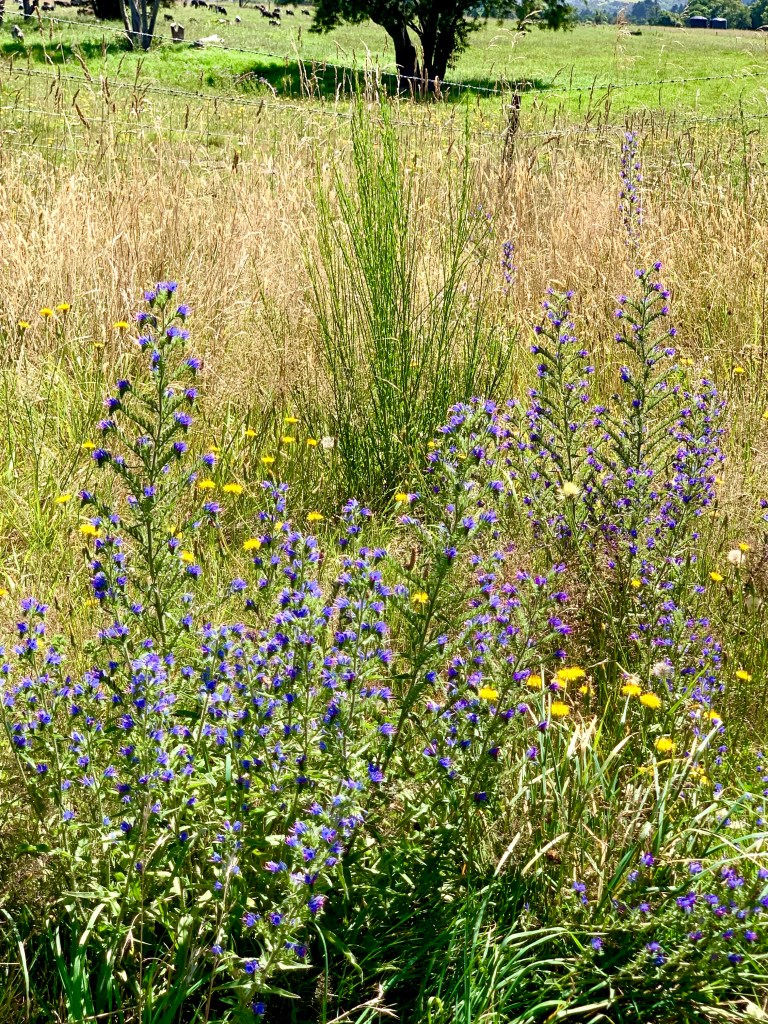
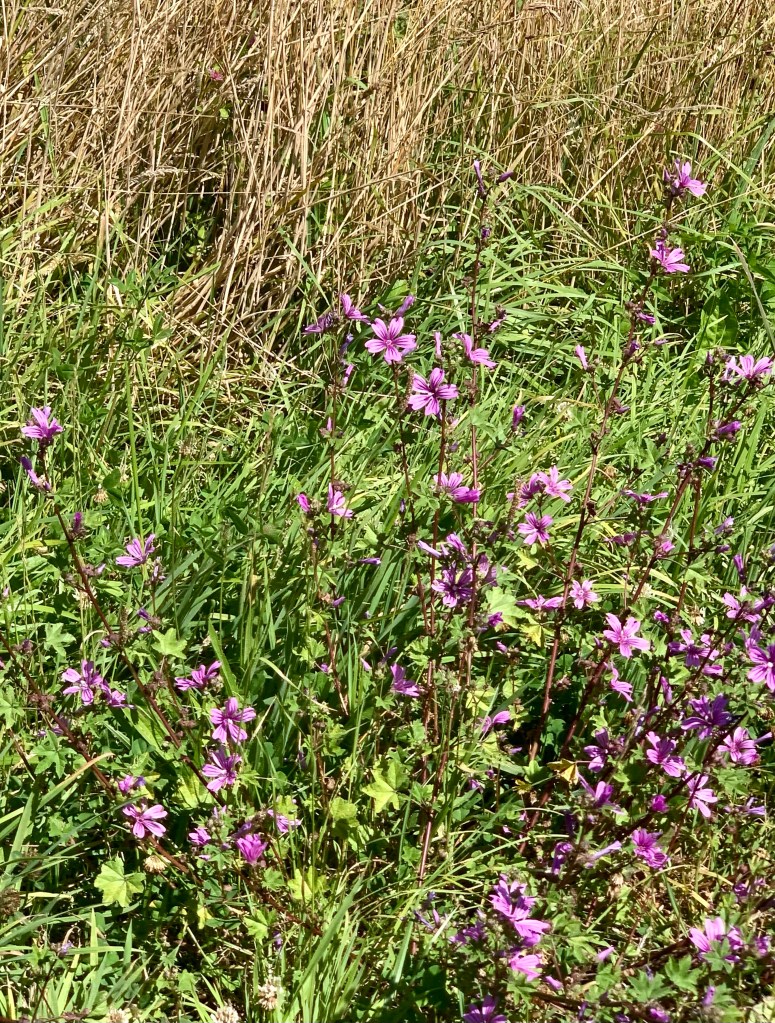
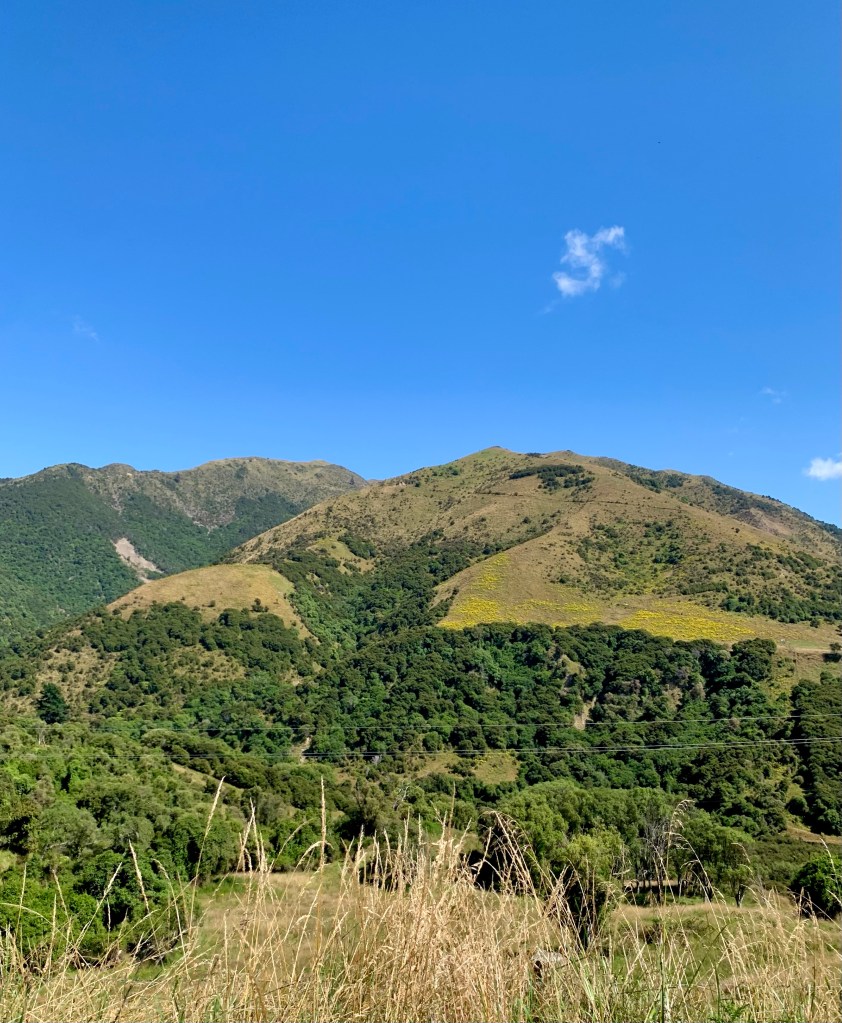
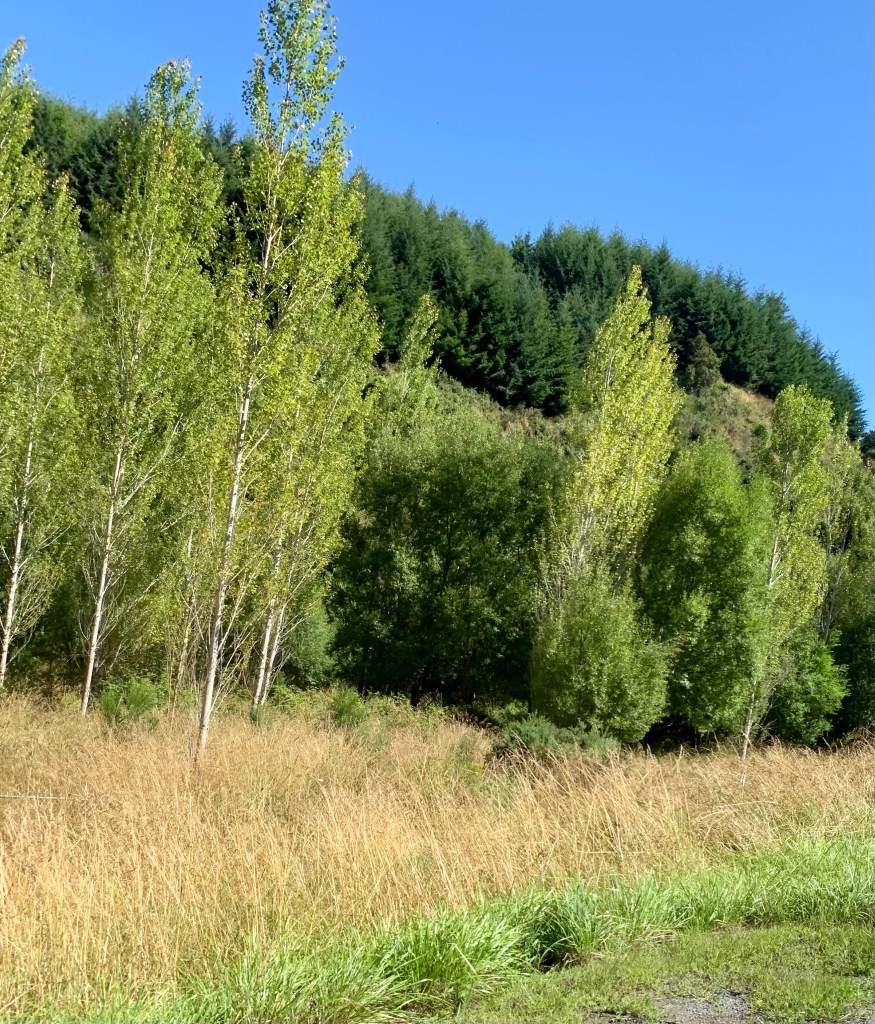
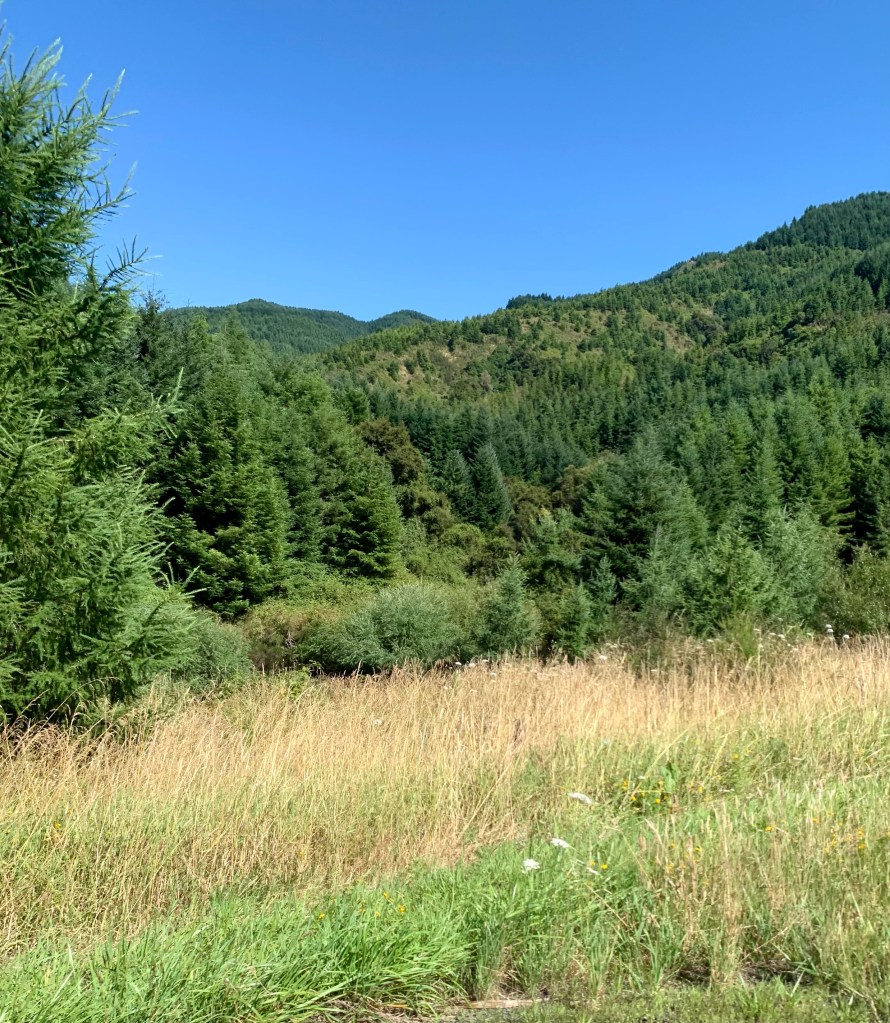
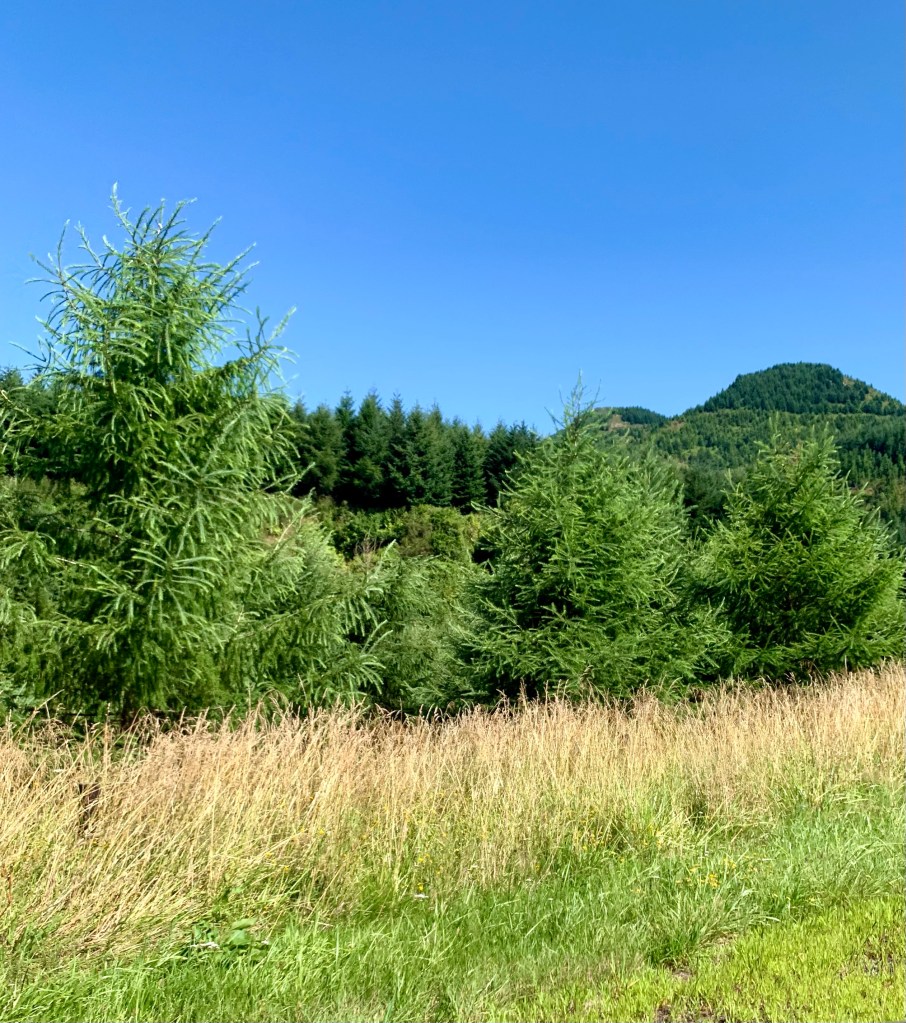
About 85km north of Christchurch the terrain becomes more hilly and wooded on both sides of the road.
There are surprisingly few places to stop for refreshments on SH1 and it was quite late in the morning by the time we got to stop for morning tea and coffee at Cheviot which is the largest town on the coastal route between Amberley and Kaikoura. According to the 2018 census it has a population of 362, which gives you some idea of how sparsely populated this area is.
Being the first day of Chinese New Year, we would have had no option but to stop at the Number 8 Café in Cheviot anyway. The word for the number 8 in Cantonese 八 ( Ba) has the similar pronunciation with 发 (Fa) meaning wealth or fortune which is why 8 is considered to be the luckiest number in China.
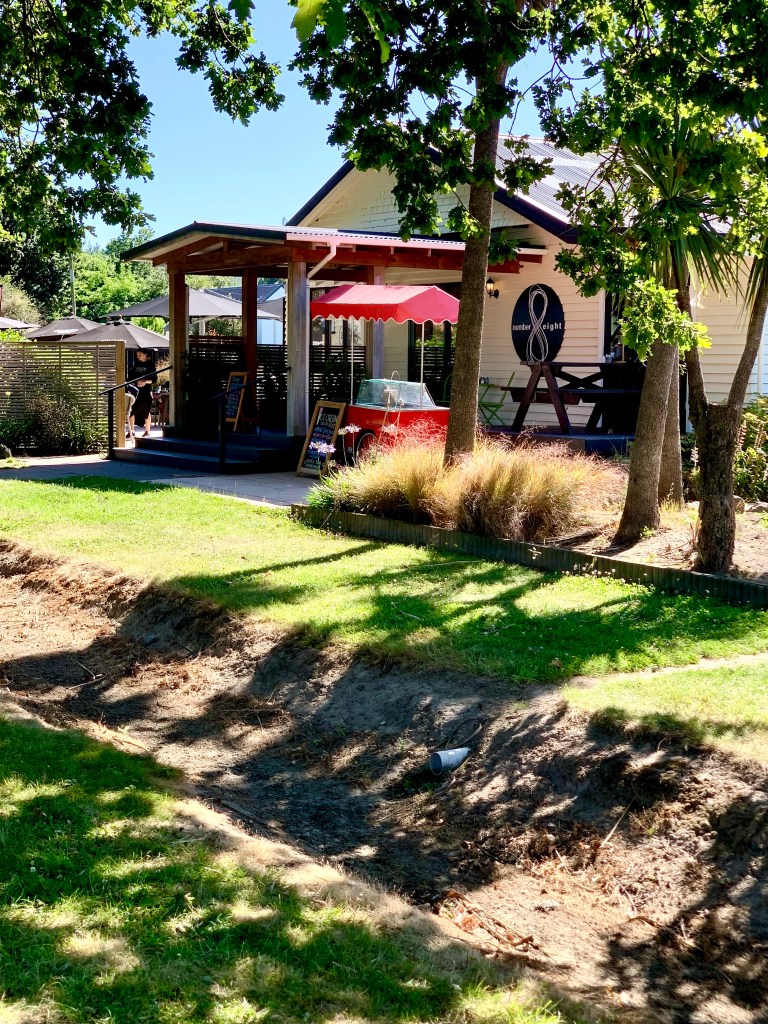
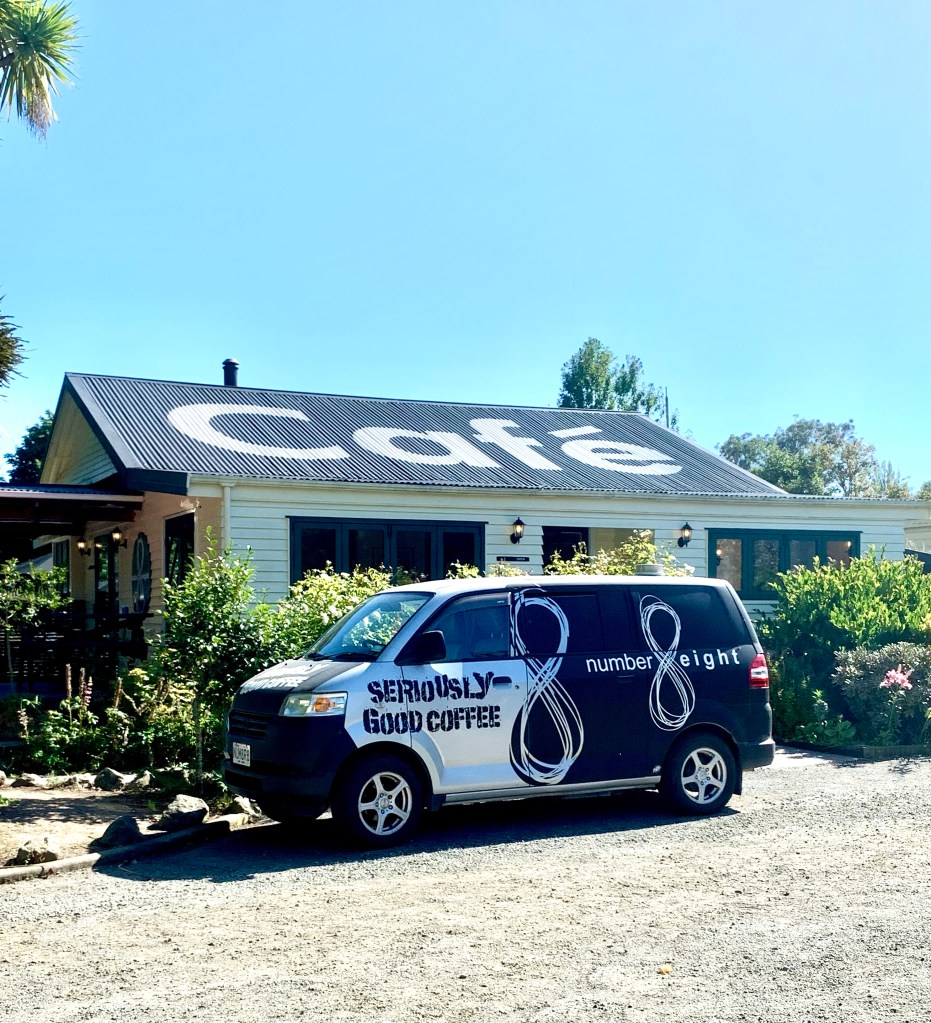
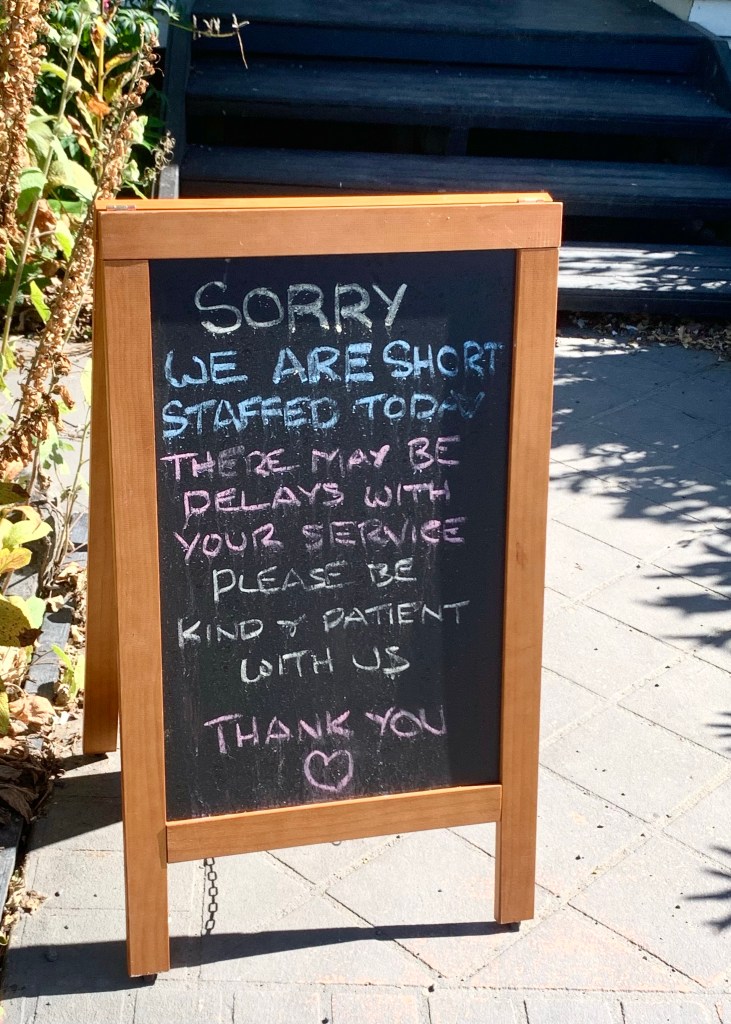
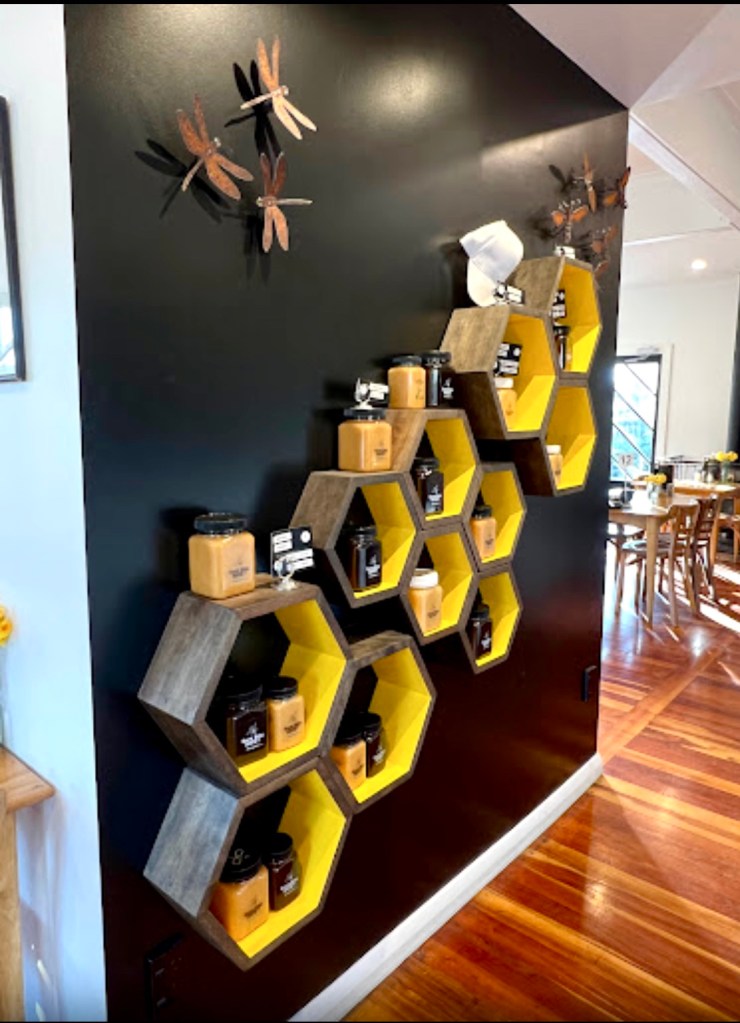
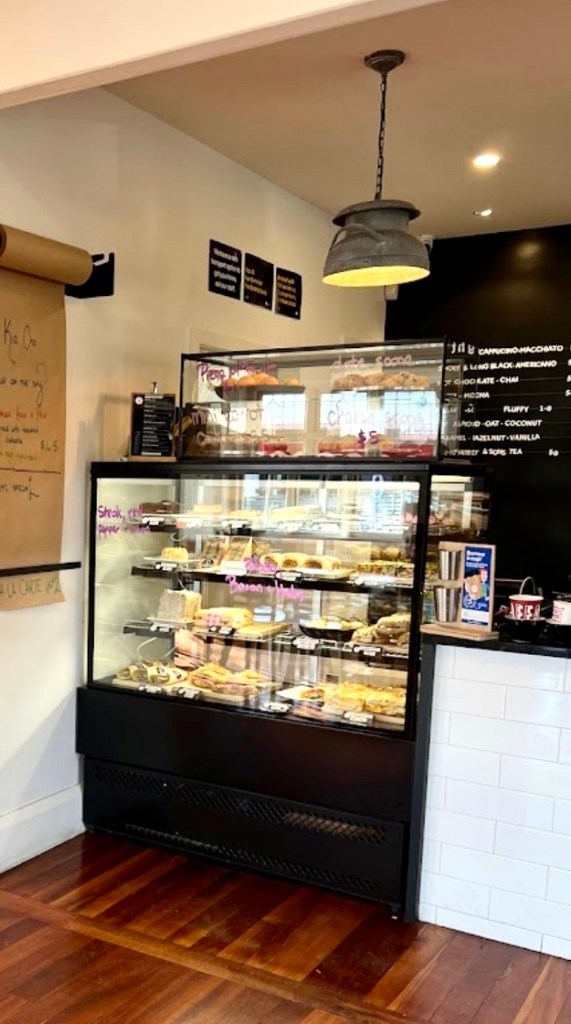
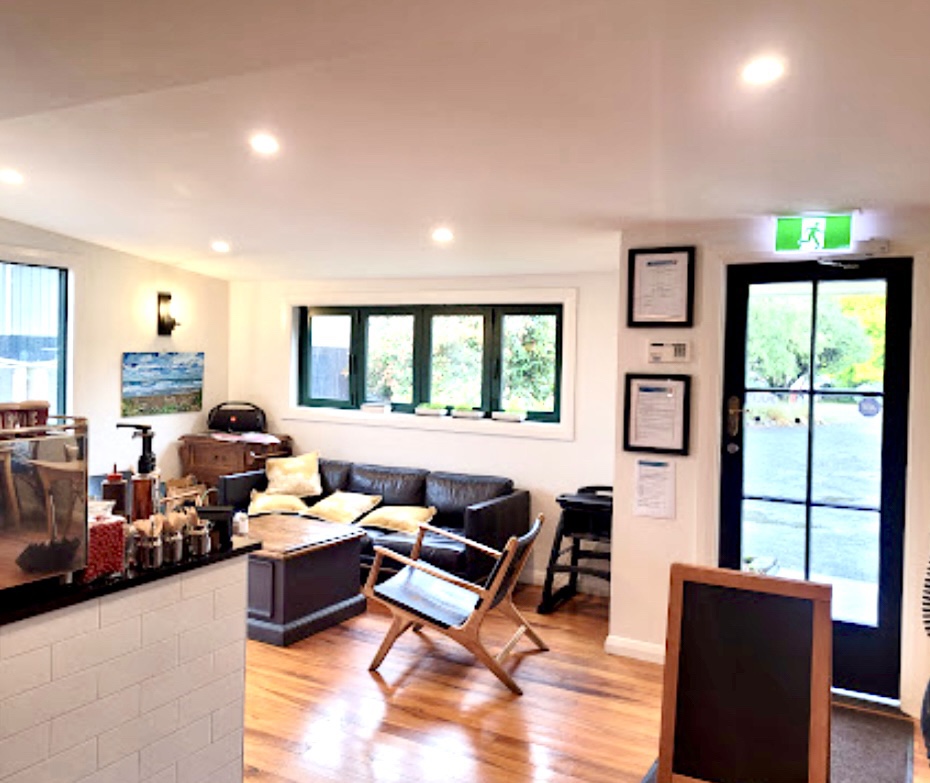
The Number 8 Café turned out to be a good place to stop anyway because it was attractively laid out inside and the food on offer was very nice. I had one of their delicious scones with my tea.
Across the road from the Number 8 Café is an old stone church, the Knox Presbyterian Church, that was built in 1955 to replace the original church built in 1896 that burned down. The new church was built with stone gathered from the nearby Hurunui River. In 2018 the church and hall were purchased by the Cheviot Knox Community Centre Trust on behalf of the Cheviot community.
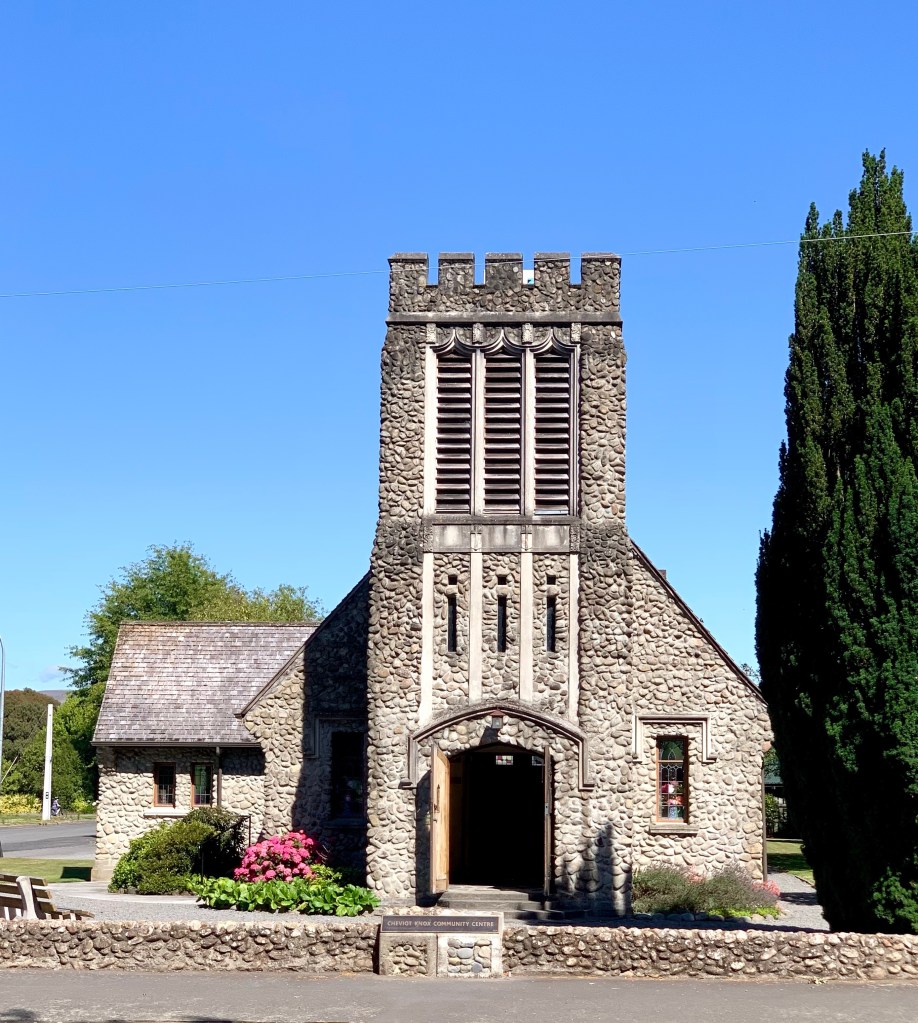
The Presbyterian church is a reminder of the the strong Scottish legacy in New Zealand. The first Scots to arrive in New Zealand were crew members of James Cook’s ship Endeavour in 1769. Over the next 200 years, they were followed by thousands more of their countrymen, seeking more opportunities and the chance of a better life for their families and bringing their sills, their ingenuity and determination to succeed. The largest number of the early Scottish emigrants settled in the South Island.
The town Cheviot itself was named by its Scottish founder, John Scott Caverhill, after a range of uplands called the Cheviot Hills, or just The Cheviots, which straddle the Anglo-Scottish border between Northumberland and the Scottish borders. John Scott Caverhill was born in 1820 in Jedburgh Scotland and emigrated to Australia in 1839, settling in New Zealand a few years later where he was the first settler in the Cheviot district in 1848. He died in 1897 at the age of 76 and is buried in Christchurch after a long and productive life.
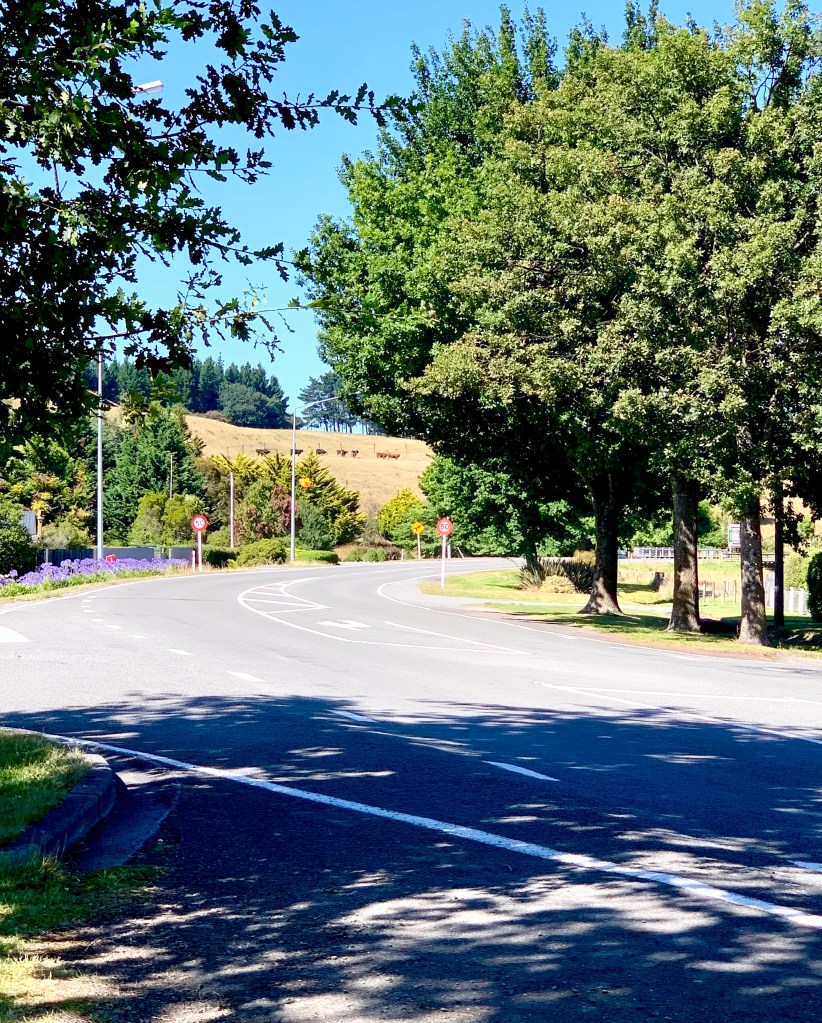
After a short break, it was back on the road again, bound for Kaikōura and then Picton.
 Unhitched