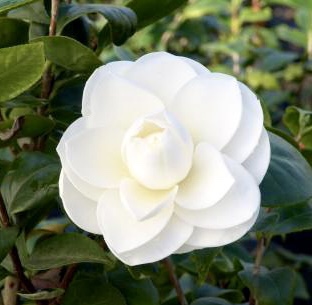
If we could see the miracle of a single flower clearly, our whole life would change. – Jack Kornfield Buddha’s Little Instruction Book
During our stay in Christchurch we learned a lot about two famous New Zealanders whose lifetime achievements and contributions made an impact not only on their own country but internationally. They are both commemorated on New Zealand bank notes.
The motel we stayed at in Nelson was located on Rutherford Street and we saw numerous other references to the name Rutherford. At the time, I thought it was perhaps the name of a prominent local family and didn’t realise the connection to THE Rutherford; the pre-eminent New Zealand physicist, Ernest Rutherford, who is known as the father of nuclear physics.
It was only when the tram driver talked, with clear admiration and regard, about Ernest Rutherford and his connection to Christchurch that the penny dropped and I realized to whom all the Rutherford citings in Nelson had been referring.
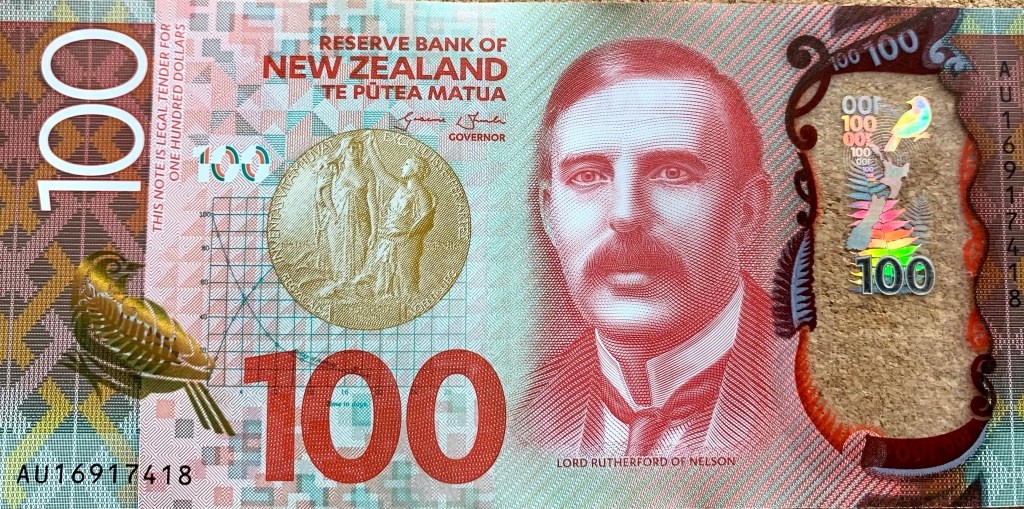
Ernest Rutherford was born in 1871 at Spring Grove near Brightwater in the rural hinterlands of Nelson. Brightwater is about 16km south west of Nelson’s city centre just off the SH6 and is today the location of the Lord Rutherford Memorial.
Although Ernest spent many of his adult years studying and working overseas, in both England and Canada, he always regarded Nelson as his home and when he was made a peer in the Honour’s list of 1931, it was as 1st Baron Rutherford of Nelson and of Cambridge in the County of Cambridge.
While at Nelson College, Ernest won one of the very few university scholarships available in the whole country and decided to enrol at Canterbury College. He arrived in Christchurch in 1890 where he was fortunate to have some outstanding teachers and mentors at Canterbury College.
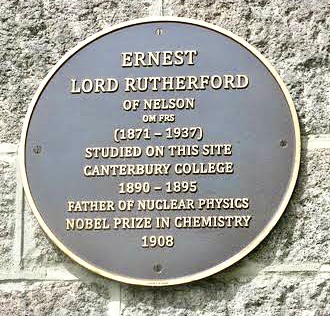
In 1895, Rutherford made his way to England and to Cambridge University’s Cavendish Laboratory whose 37 year-old director, JJ Thomson, had built a strong reputation as an experimental physicist. In 1898, with no immediate prospects of advancing further at the Cavendish, Ernest accepted a job as professor of physics at McGill University in Montreal, Canada and boarded a steamer for North America.
While he was at McGill, Ernest returned briefly to New Zealand in June, 1900 to marry his fiancée, Mary (May) Georgina Newton, who was the daughter of his former landlady in his undergraduate days at Canterbury College. He and May returned to Montreal via Hawaii and the Canadian Rockies in September and on 30 March 1901 their only child, Eileen Mary was born. She later married the physicist, Sir Ralph Howard Fowler in Cambridge. UK.
Ernest was awarded a Nobel Prize in 1908 in Chemistry, not Physics, for his work into the disintegration of the elements and the chemistry of radioactive substances. Three years later, in 1911, he published a very important seminal paper that first identified the atomic nucleus and its essential role in the structure of matter and initiated the science of nuclear physics.
The three major discoveries Ernest made that have played a large part in the development of modern science and the beginning of the nuclear age are that: he found out that the structure of elements can change; he developed the nuclear model of the atom which formed the basis of that model still used today, and his successful disintegrated of nitrogen atoms with alpha particles in 1919 led to the splitting of the atom by physicists John Cockcroft and Ernest Walton.
Ernest Rutherford was both a thinker and a prolific practical inventor who was endlessly curious about the world. He lived a distinguished life devoted to scientific exploration and the pursuit of knowledge. His hard work and genius has profoundly shaped our modern world.
After lunch, we went to visit the beautiful home of Kate Sheppard who was the most prominent member of the woman’s suffrage movement in New Zealand.
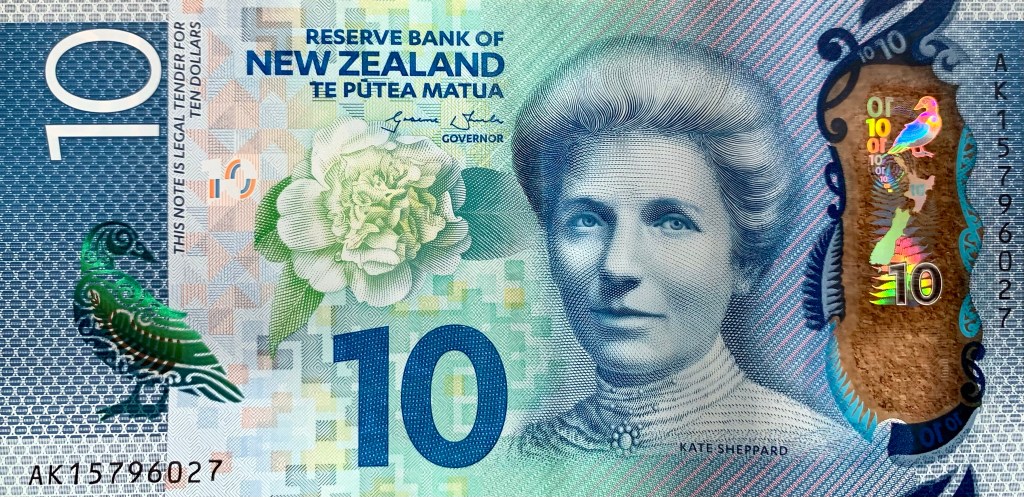
Do not think your single vote does not matter much. The rain that refreshes the parched ground is made up of single drops. – Kate Sheppard
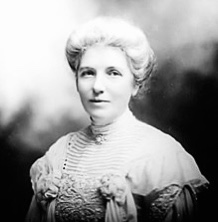
The movement for women’s rights which began in the late 19th century was concerned with two main issues: equal political rights for women and social reform, particularly dealing with the abuse of alcohol and its consequences for women and children.
Born in Liverpool in 1847, Catherine (Kate) Wilson Malcolm migrated to Christchurch in her early twenties with her family and in 1871 married merchant Walter Sheppard. In 1885 she joined the new Women’s Christian Temperance Union (WCTU), which advocated women’s suffrage as a means to fight for liquor prohibition.
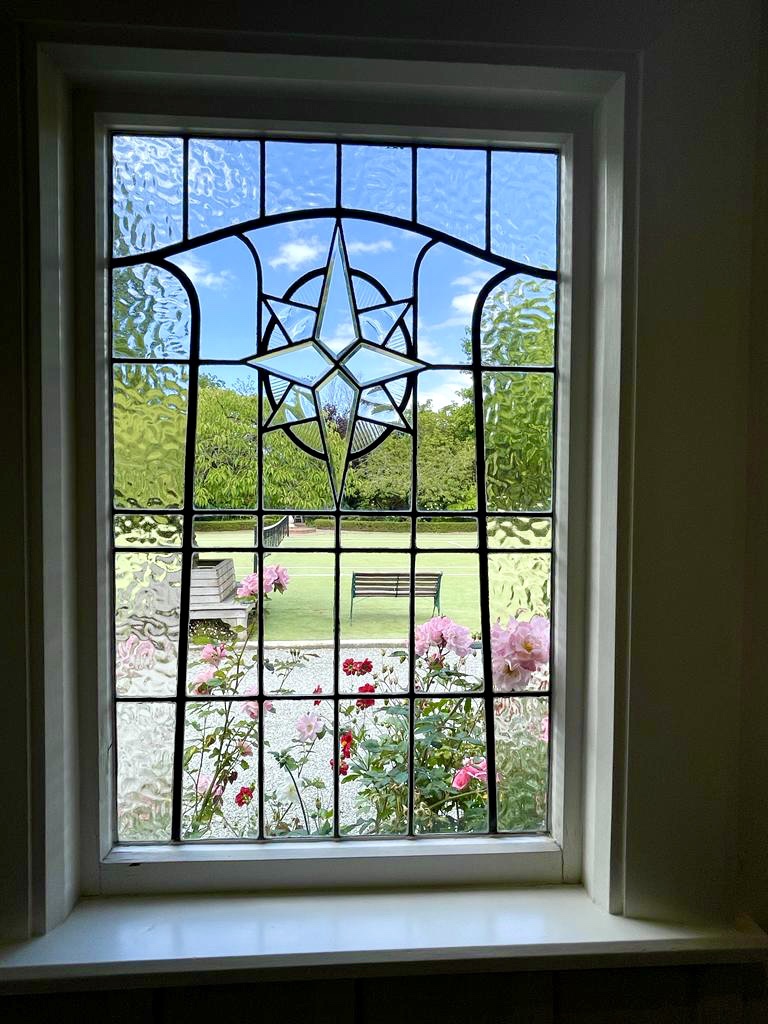
In 1888, Kate Sheppard and Walter moved to a house they had built at 83 Clyde Road. This remained their home until 1902 and was a regular meeting place for suffrage campaigners.
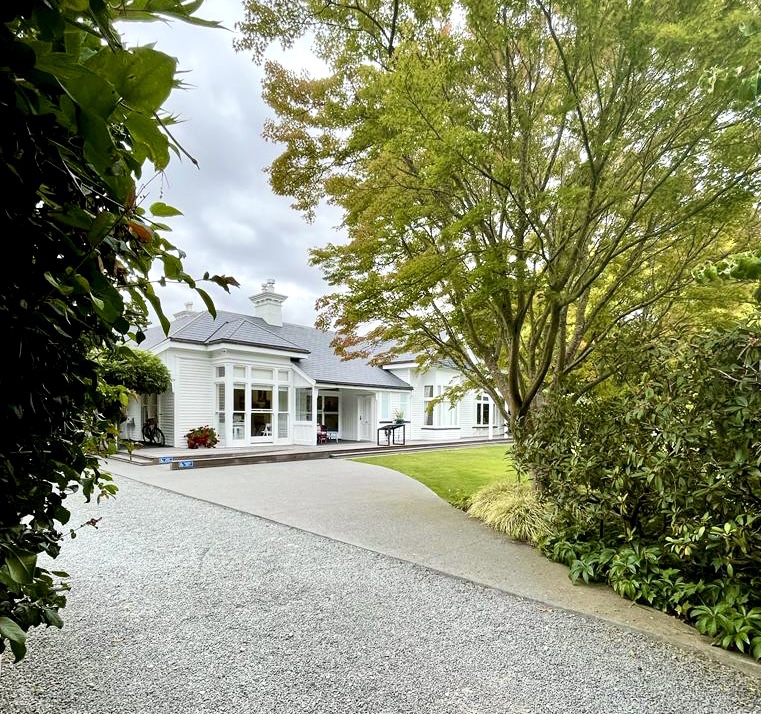

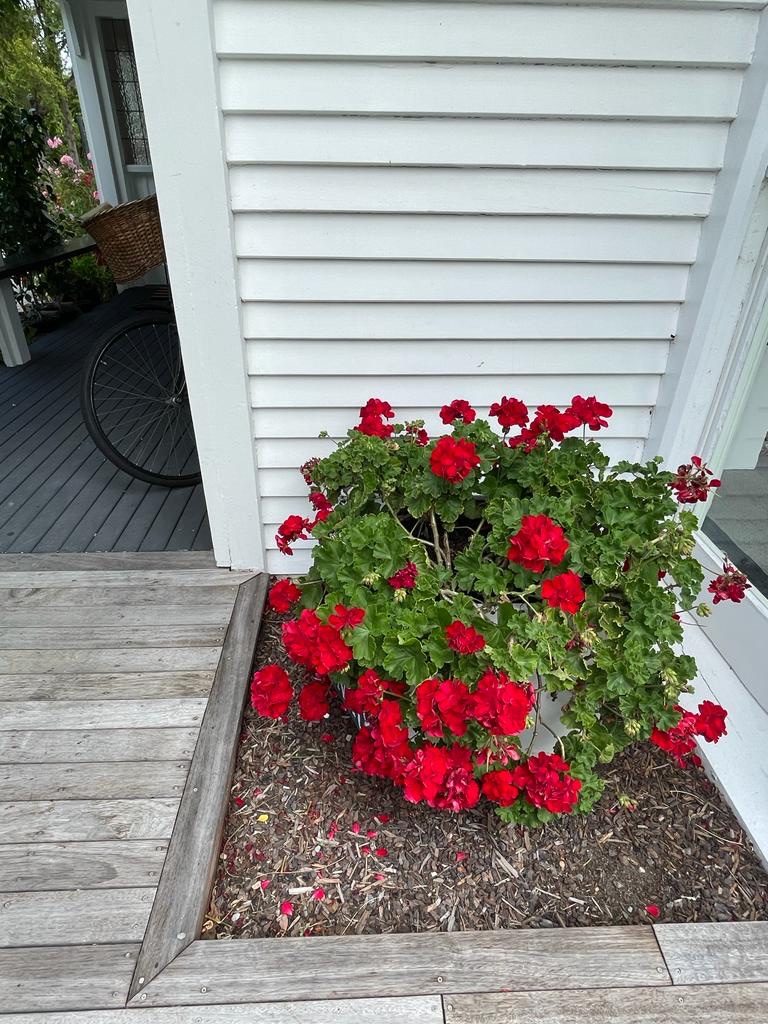
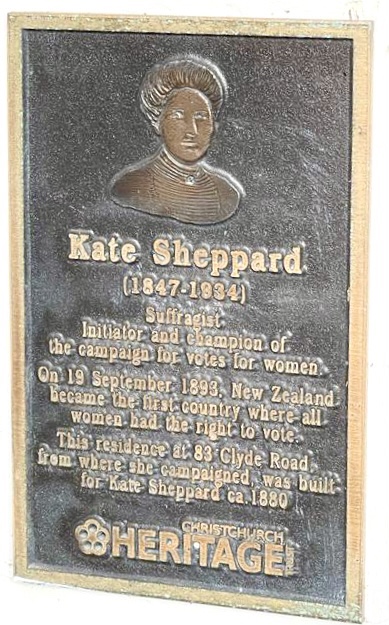
All that separates, whether of race, class, creed, or sex, is inhuman, and must be overcome. – Kate Sheppard
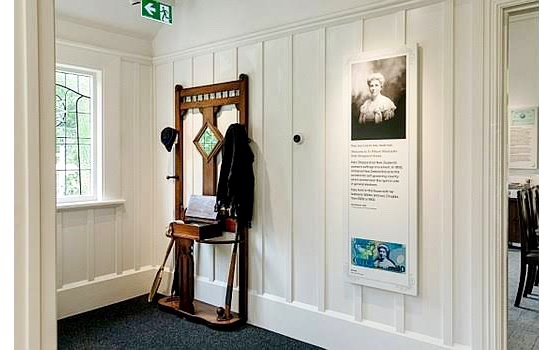
Kate translated her political philosophy into practical proposals for reform. She tirelessly co-ordinated and encouraged the work of local unions and organised petitions to Parliament asking for women to have the right to vote. She was an excellent public speaker and writer and held public meetings; wrote letters to the press and developed contacts with politicians. She persuaded Sir John Hall, a leading member of Parliament, to support them. Her younger sister Isabella May was also heavily involved in the Women’s Christian Temperance Union and accompanied Kate to most of her speaking engagements.
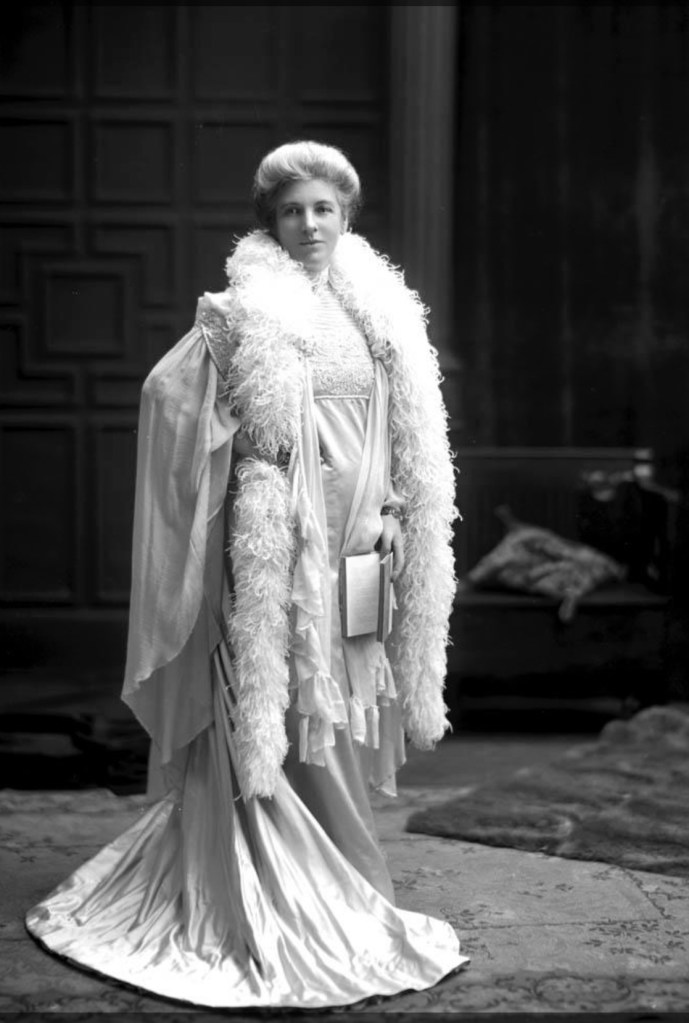
Through her persistence and drive and her skilful writing and persuasive public speaking, Kate successfully advocated for women’s suffrage. Her pamphlets Ten Reasons Why the Women of New Zealand Should Vote and Should Women Vote? contributed significantly to the cause.
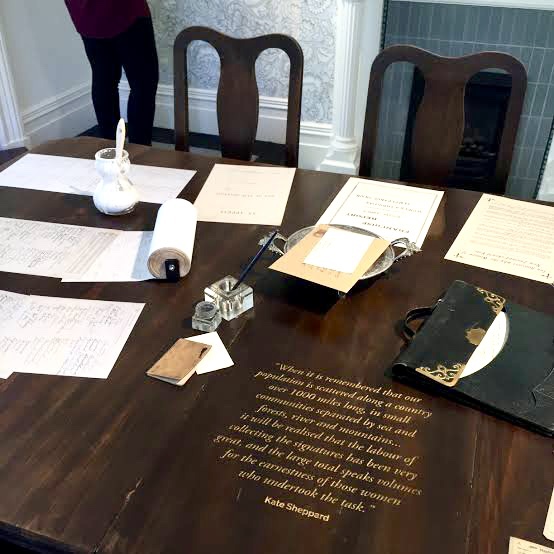
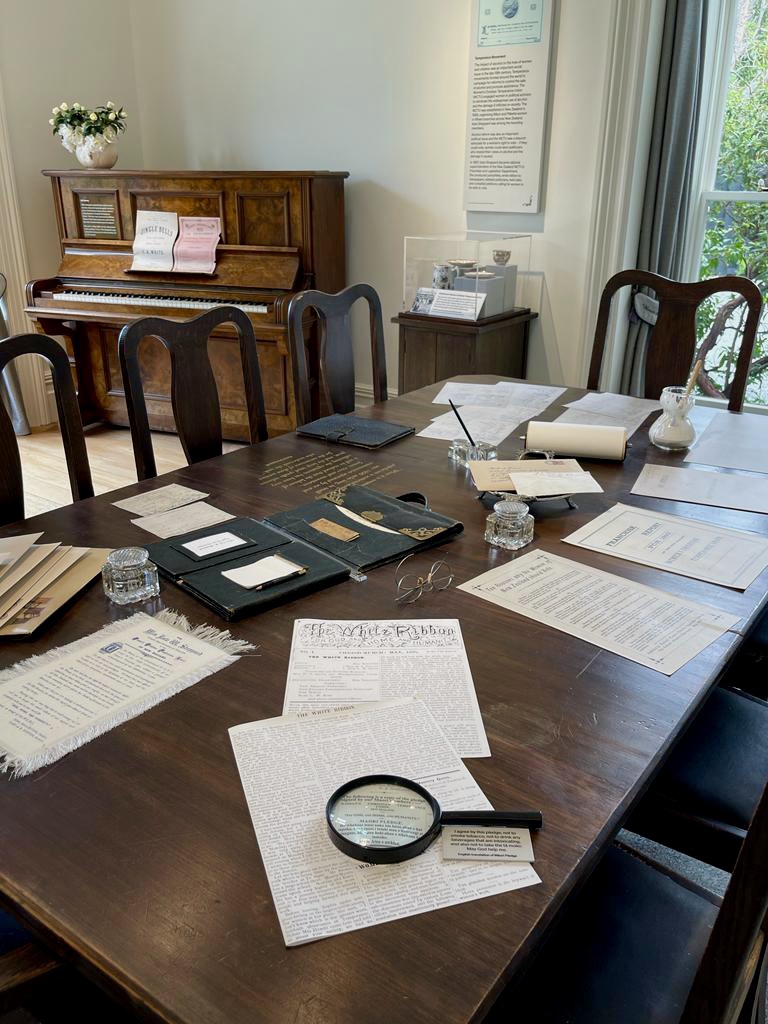
Kate and her fellow suffragists gathered nearly 32,000 signatures in a petition to demonstrate the groundswell of support for their cause. In 1893, the 270m-long petition – then the largest ever presented to Parliament – was unrolled across the chamber of the House with dramatic effect. Despite the opposition of Premier Richard Seddon, the Electoral Act 1893 was passed by both houses of Parliament and became law on 19 September, 1893. As a result, New Zealand became the first country to establish universal suffrage whereby all women had the right to vote. Well done, Kate!
The news took New Zealand by storm and inspired suffrage movements all over the world. In 1895 Kate became the editor of the first newspaper in New Zealand to be owned, managed and published only by women. It was called The White Ribbon. Kate later travelled overseas to England and America to help the campaigns there. In 1909 Kate was elected honorary vice-president of the International Council of Women.
The Christchurch Times reported Kate’s death in 1930 as follows: A great woman has gone, whose name will remain an inspiration to the daughters of New Zealand while our history endures.
 Unhitched