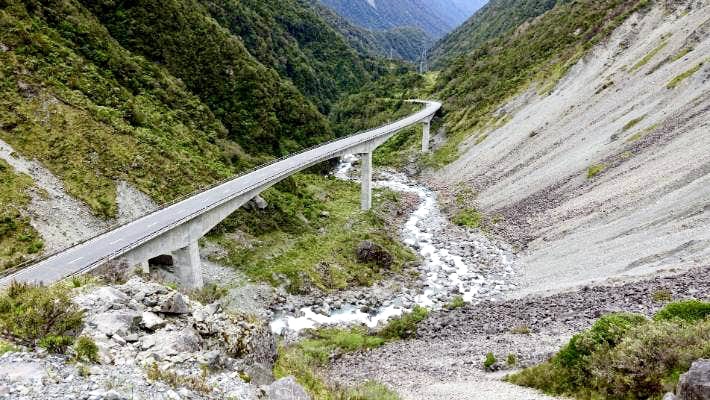
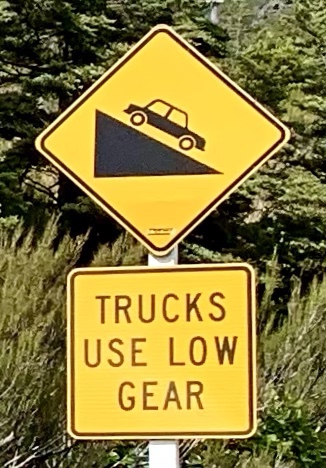
Not long after leaving the Otira Stagecoach Hotel you come to the Otira viaduct which was opened in 1999, replacing a narrow, winding, dangerous section of road that was prone to avalanches, slips and closures. The viaduct comprises four spans of 134m each and the road across it is 8m wide. The gradient is 11.7%.

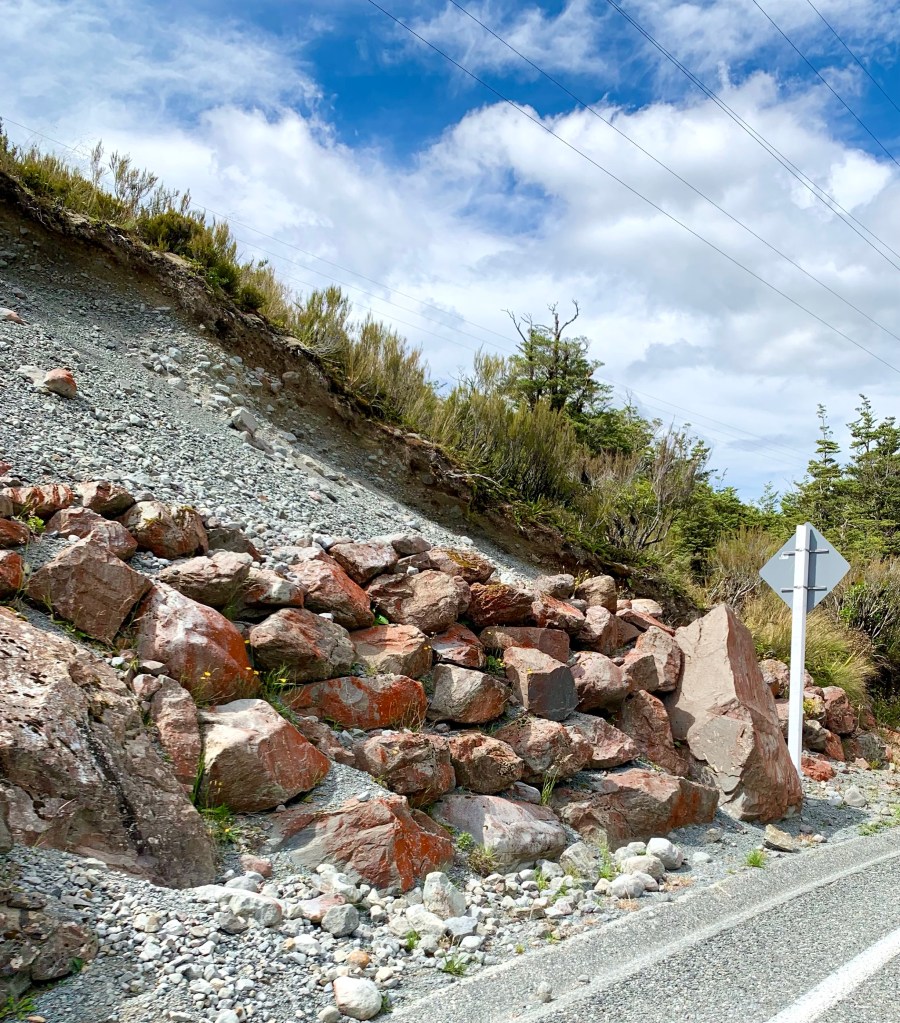
Being in an active seismic region, it makes very good sense to follow advice about rockfalls, avalanches and the like.
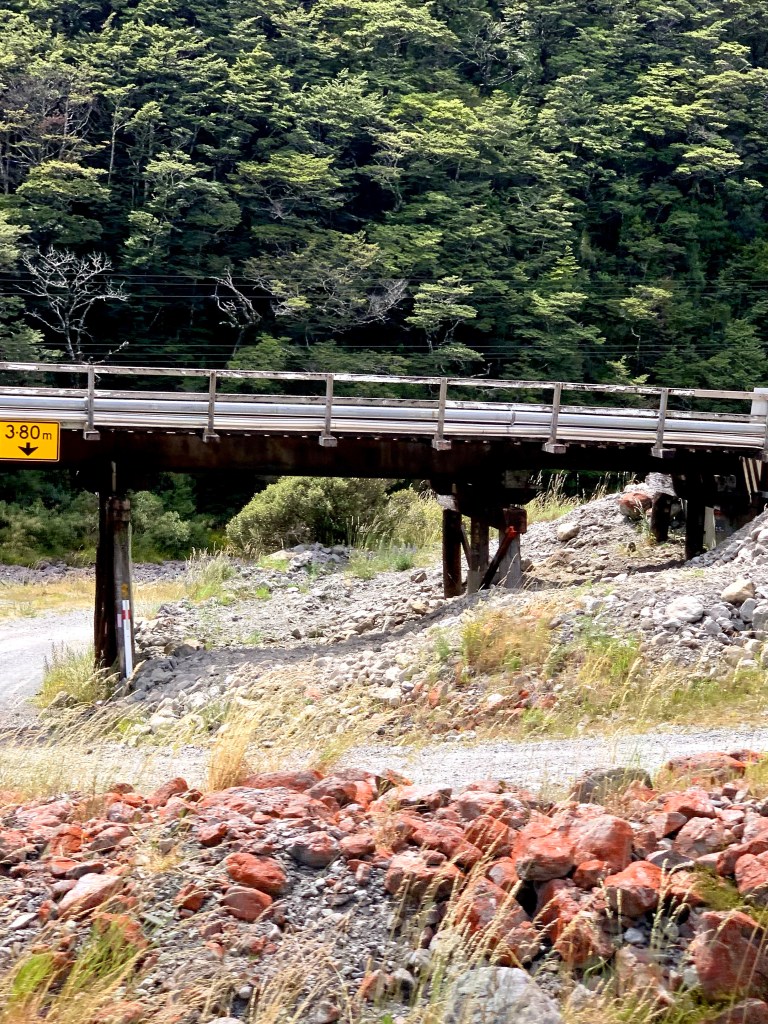
Once over the viaduct, the drive is exhilarating and the scenery deserves the epithet spectacular.
What is especially notable is how many microclimates and ecosystems you go through in a relatively short distance.
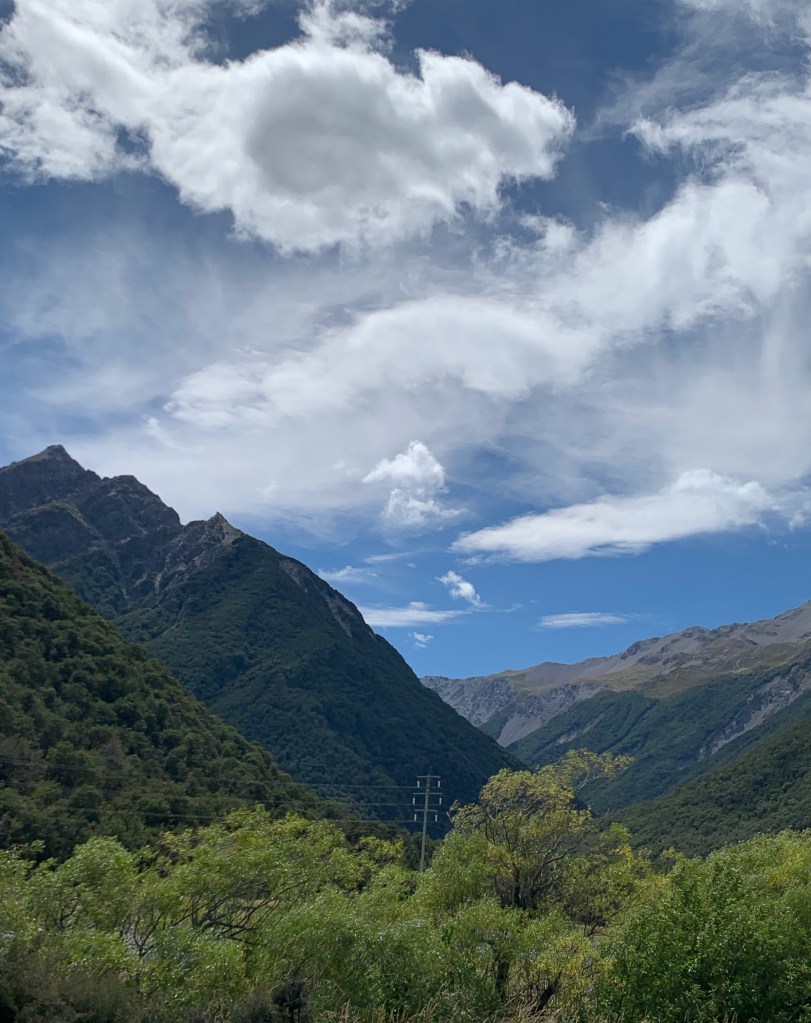
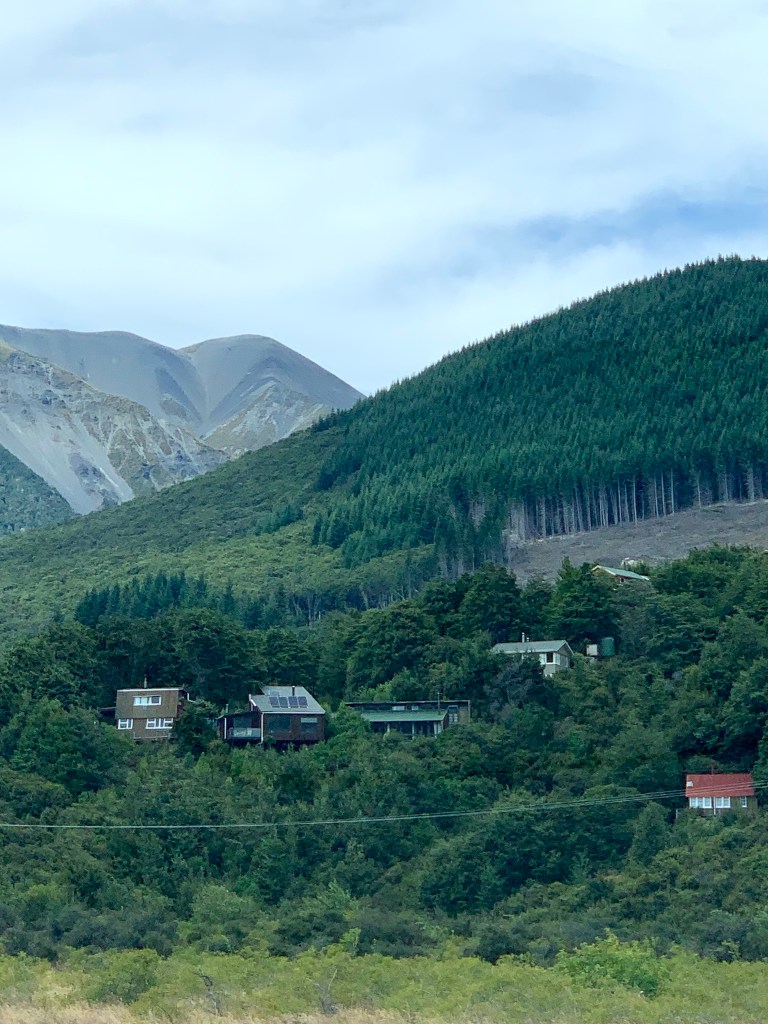
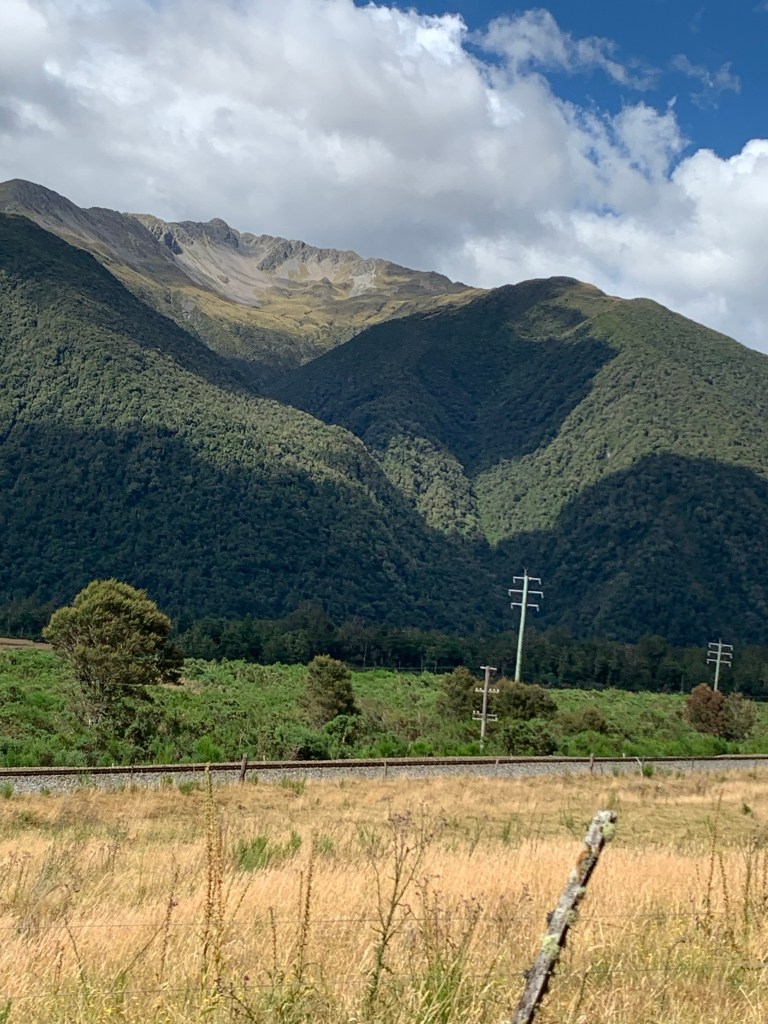
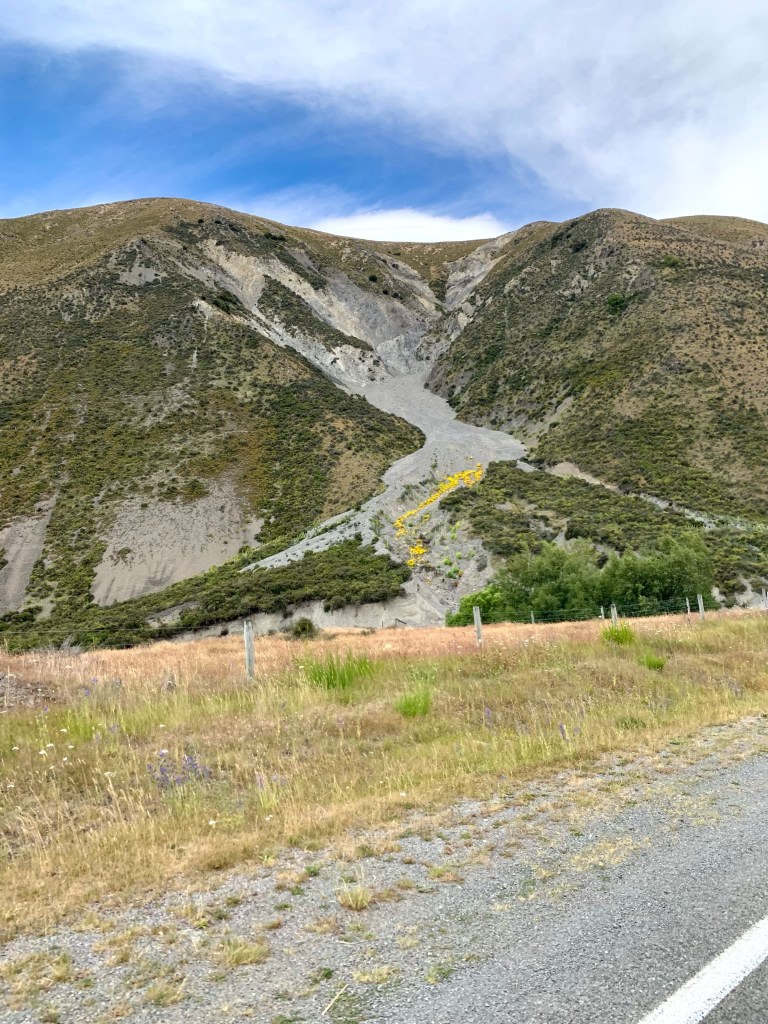
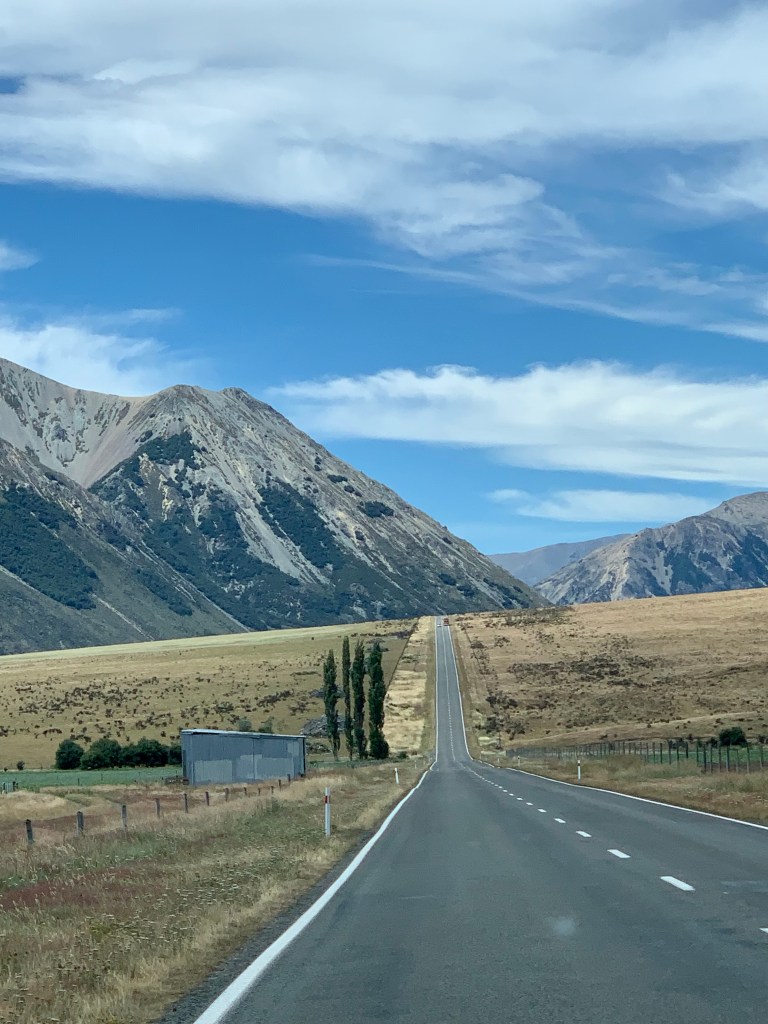
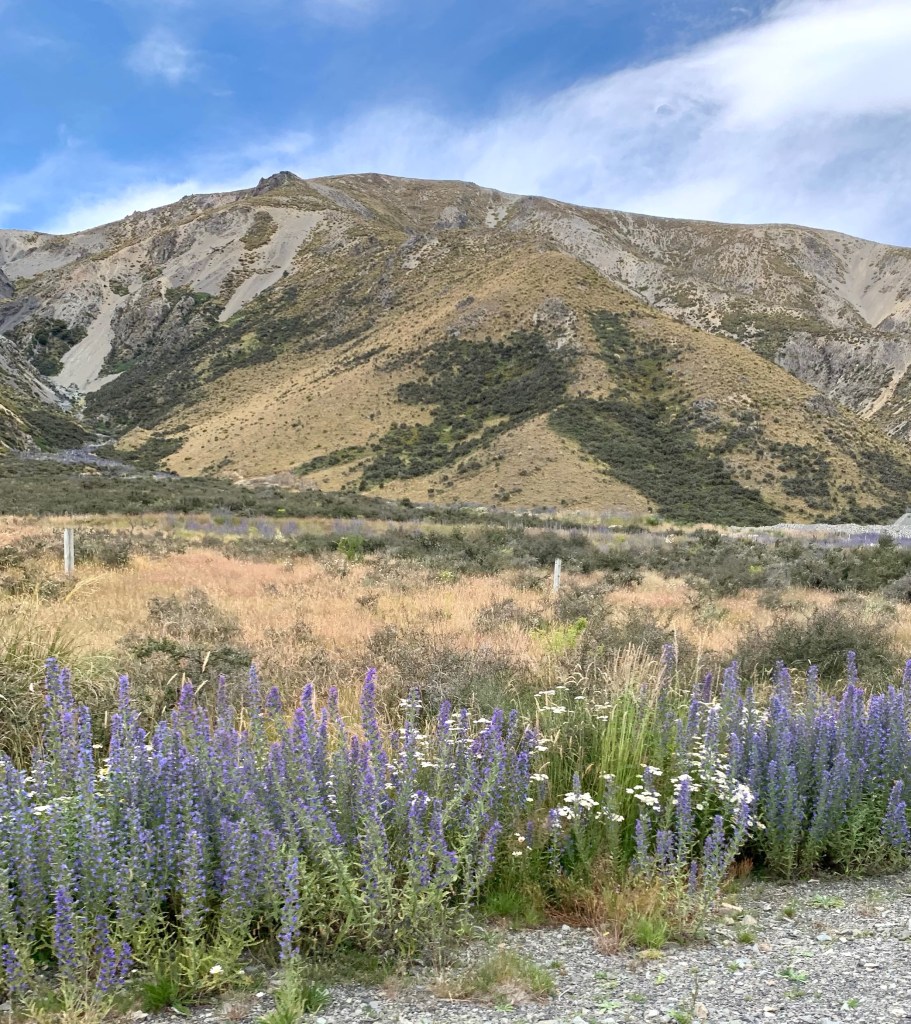
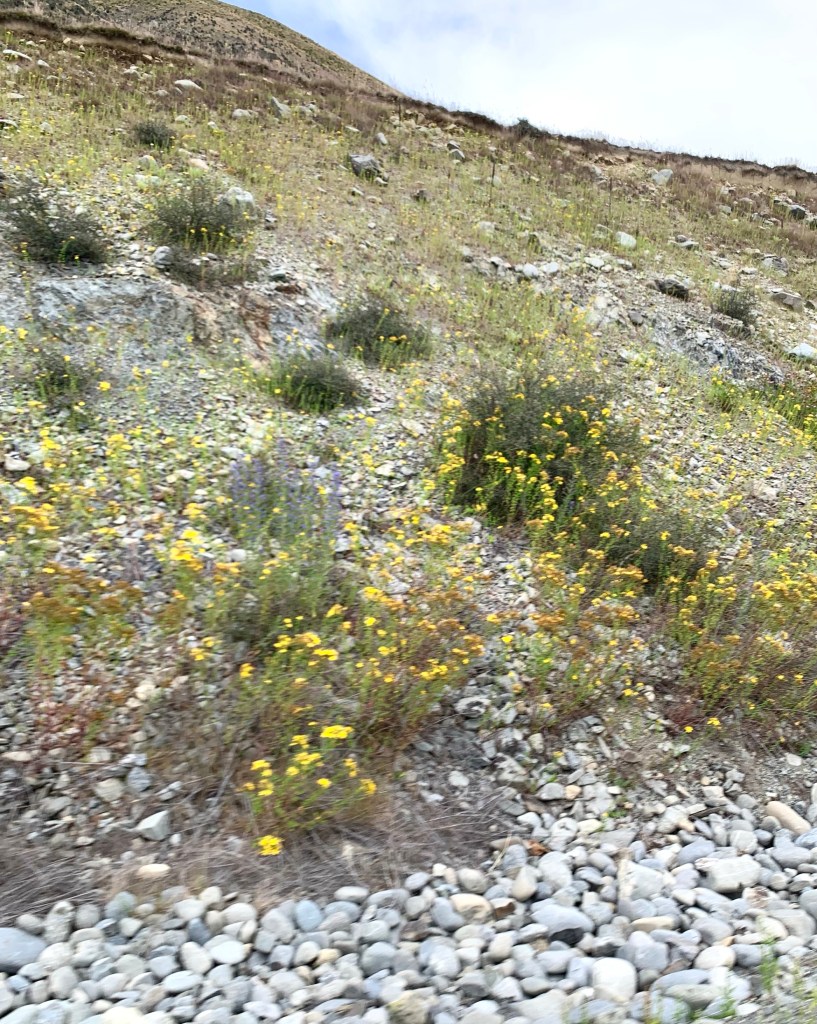
All too soon we were already through the mountains and back in farming country.

First sight of Christchurch, the Memorial Bridge completed in 2017
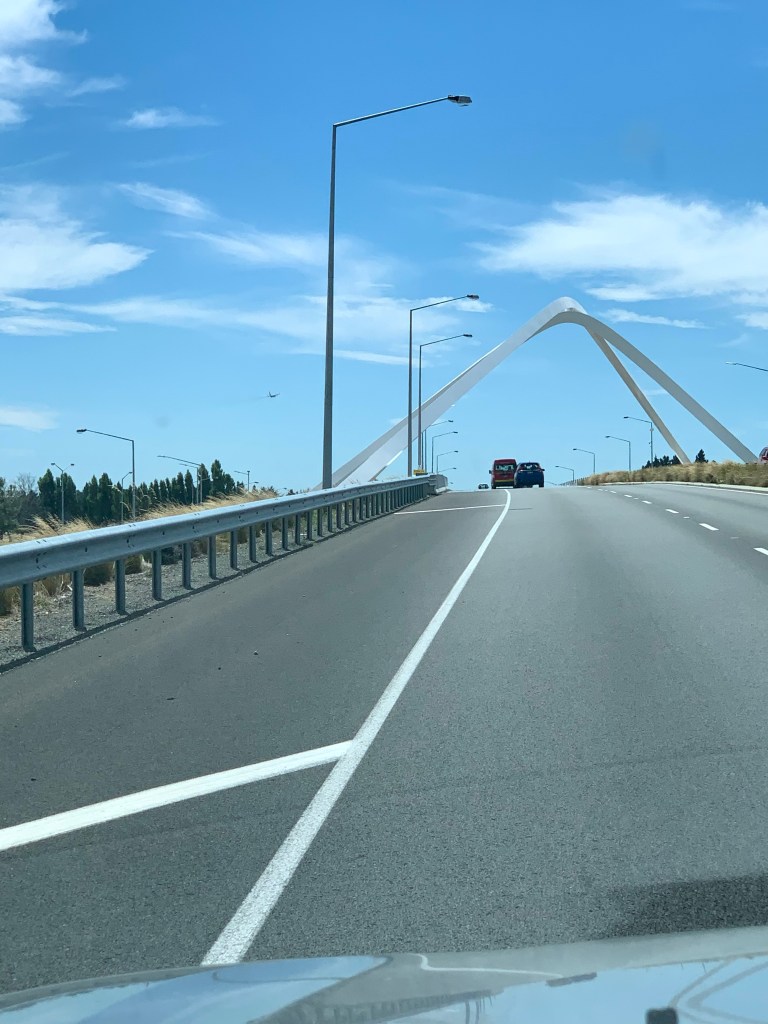
The New Zealand Transport Authority devised an urban design competition to design a bridge that is symbolic and functional to welcome Christchurch’s visitors and locals into the city and to reduce congestion by allowing motorway traffic to bypass a very busy intersection. The project to build the bridge was awarded to an architectural firm called Warren and Mahoney. They describe their design as follows:
Linking two distinctive, 27-metre arcs over Christchurch’s main highway, the Memorial Bridge expresses hope and dynamism in one singular form. The silhouette of the Southern Alps shines in the white arcs, which mimic its contours. The fluid nature speaks to the energy of travel, designed for viewing at speed by nearby motorists, passengers and those travelling by air. Inspired by the braided rivers, the two arcs cross paths to symbolise the convergence of Māori and European settlers; paths which take on different perspectives when viewed from different angles. At night, the arcs light in an array of changing colours.
 Unhitched