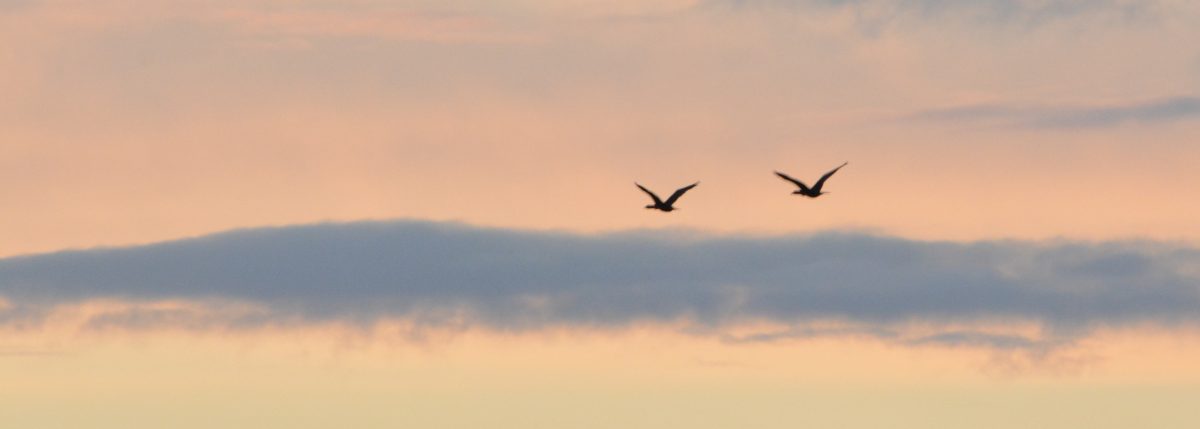
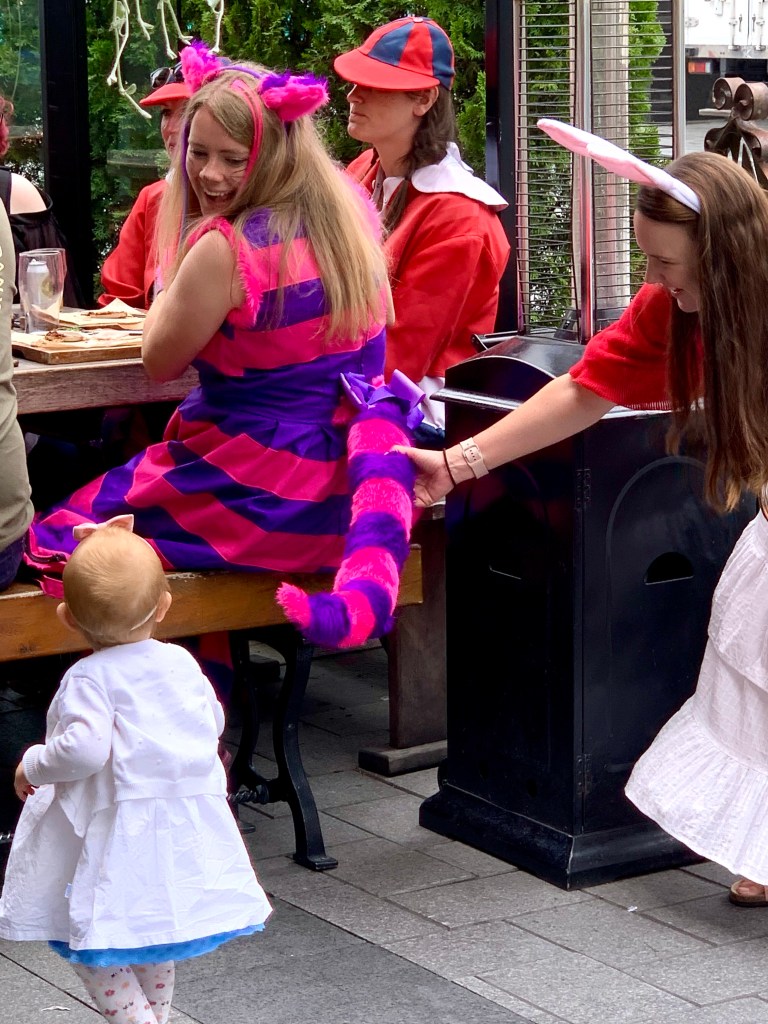
We’re all mad here. I’m mad. You’re mad.”
“How do you know I’m mad?”
“You must be,” said the Cat, “or you wouldn’t have come here. Lewis Carroll Alice in Wonderland
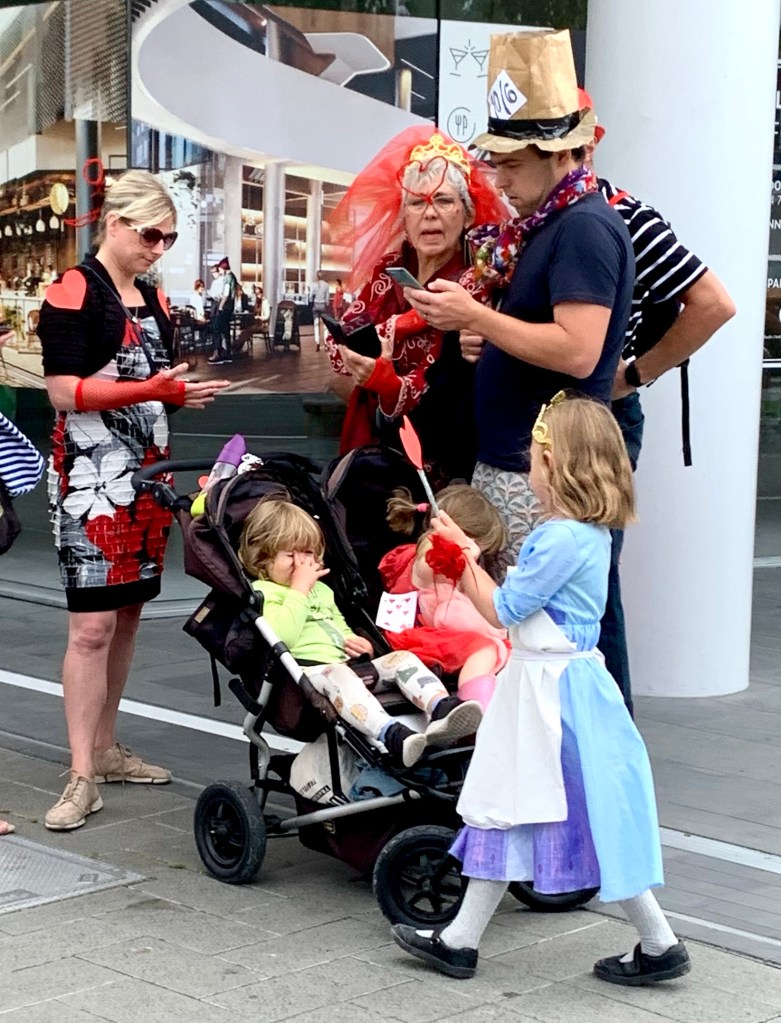
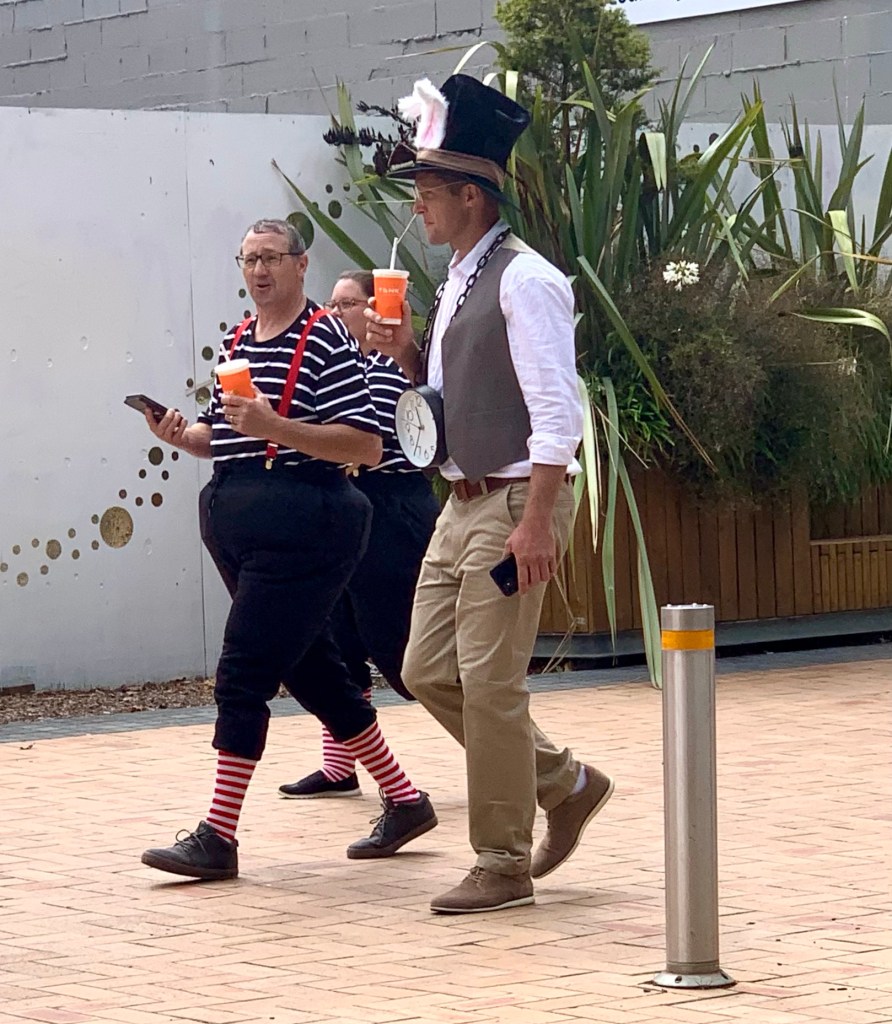
Neither of us has been to Christchurch before and so we didn’t quite know what to expect but, as it was Saturday today and a lovely sunny day, we anticipated that the city centre would probably be busy and full of people enjoying the sunshine. We had only just parked the car in a downtown pay parking area when we started seeing strange sights.
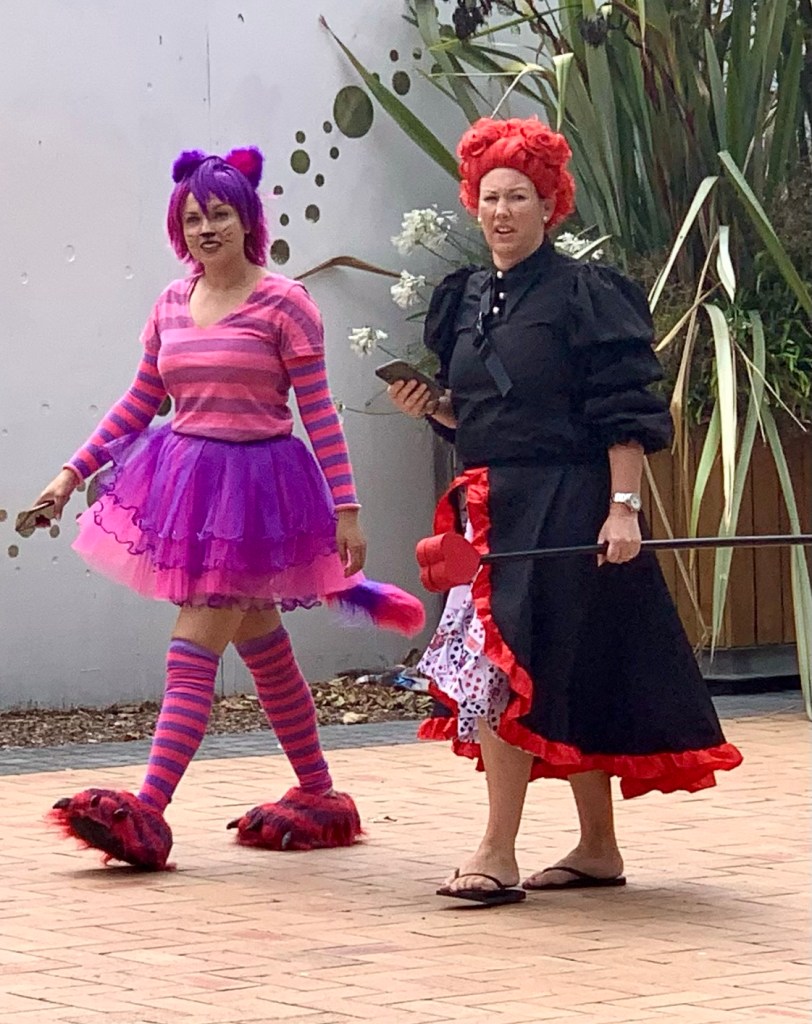
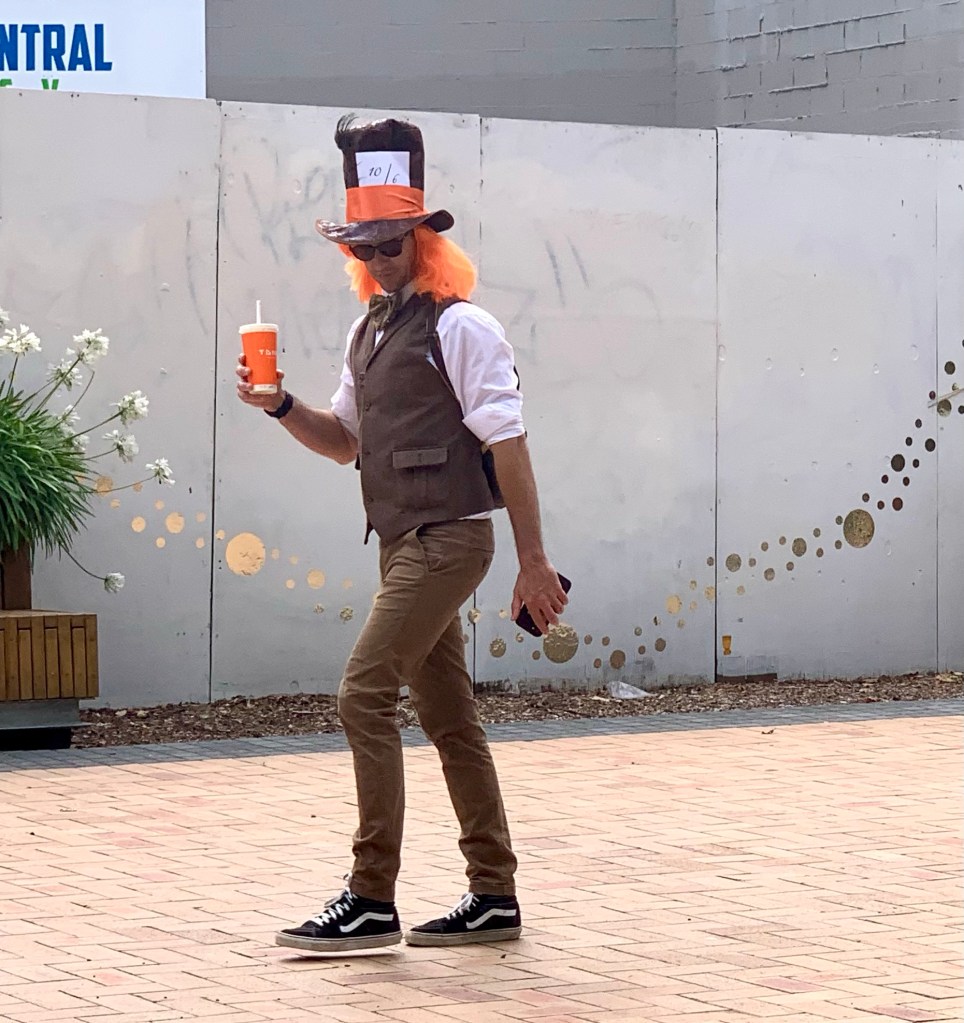
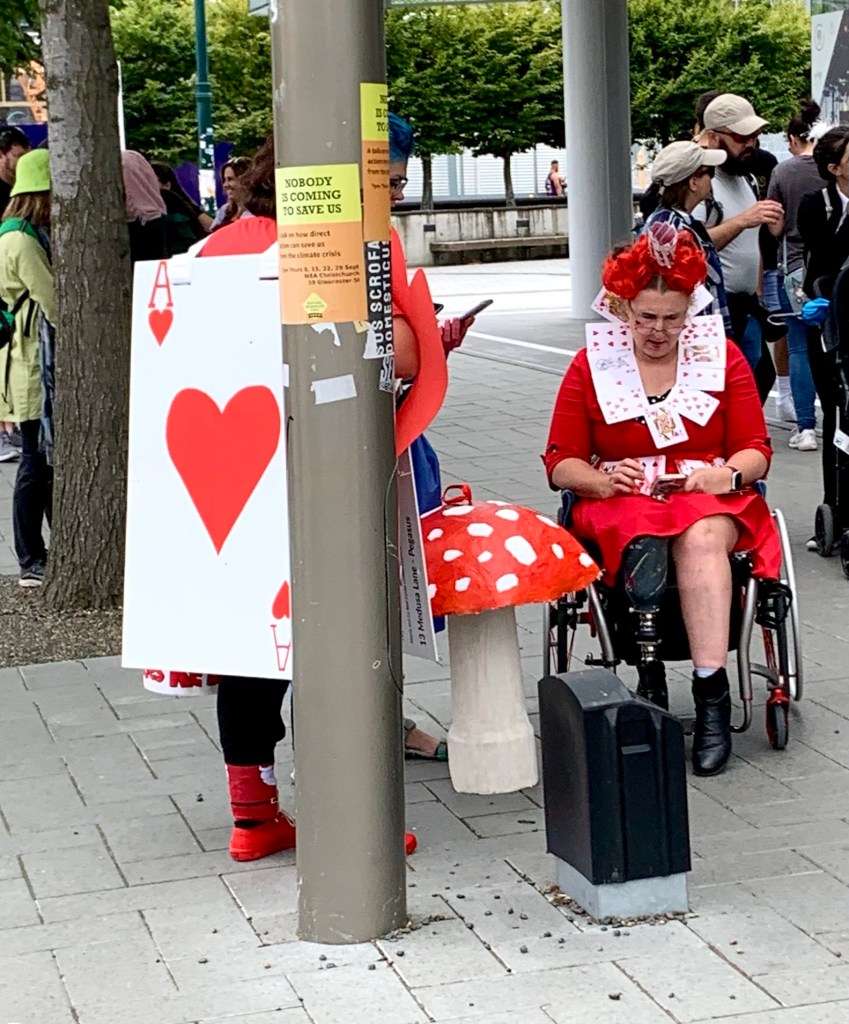
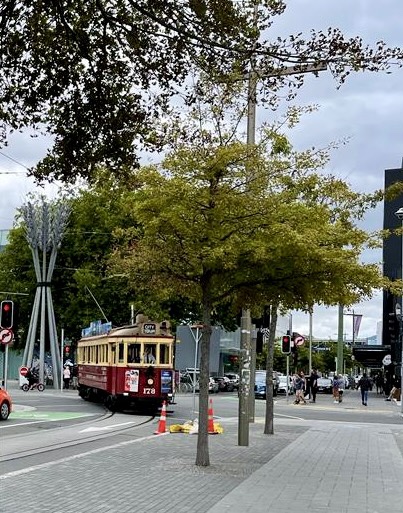
We decided to take a tram tour of the city to get an overview of the downtown area.
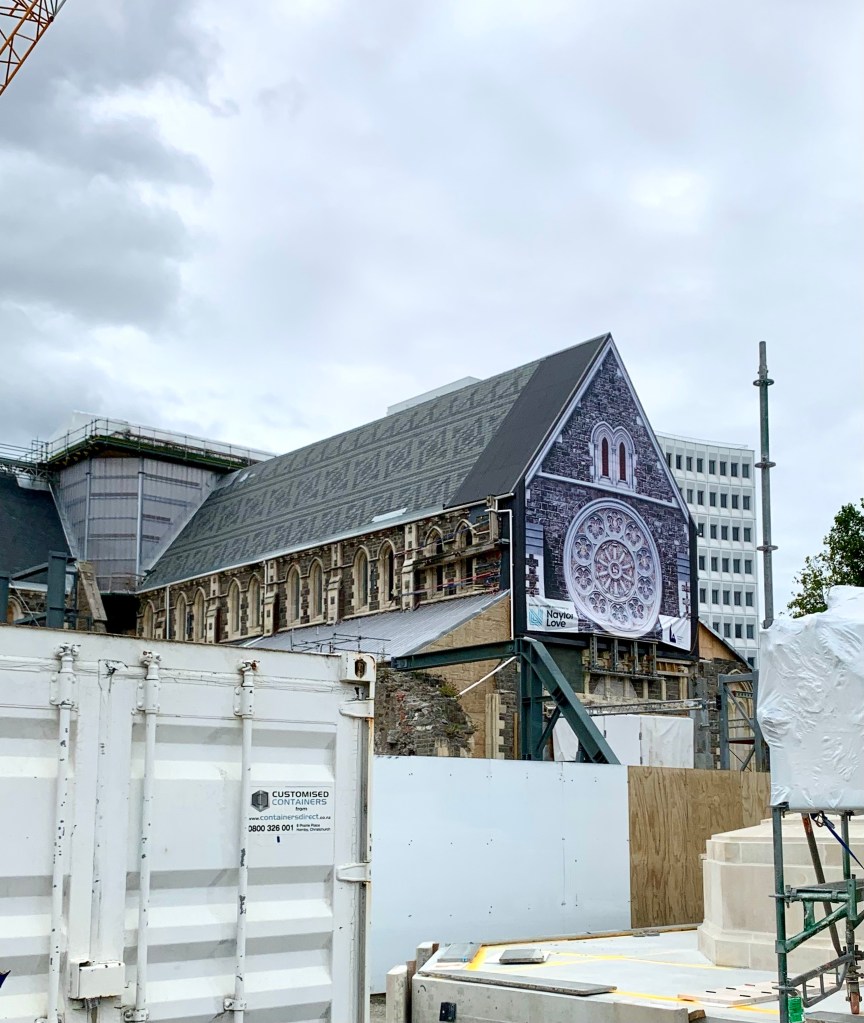
We boarded the tram in Cathedral Square which is where the Christchurch Anglican Cathedral is located. The cathedral was built between 1864 and 1904 and is right in the centre of the city. It seems to me to be a symbol for the whole city because it stands damaged and forlorn, shored up and wrapped up, waiting to be restored to its former state.
On the 4th of September 2010 a powerful earthquake struck the South Island of New Zealand with a magnitude of 7.1. Only a few months later, on Tuesday, the 22nd of February 2011 at 12:51 p.m, another major earthquake struck Christchurch and the whole of the Canterbury area with a magnitude of 6.2. The earthquake’s epicentre was only 6.7 kilometres south-east of the central business district, causing severe and widespread damage across Christchurch because many buildings and infrastructure had already been weakened by the September 2010 earthquake and its aftershocks.
Most of the damage occurred to older buildings, particularly those with unreinforced masonry and those built before stringent earthquakes codes were introduced in 1992. There were 185 casualties of the 2011 earthquake; most of whom were killed when buildings collapsed or by falling masonry.
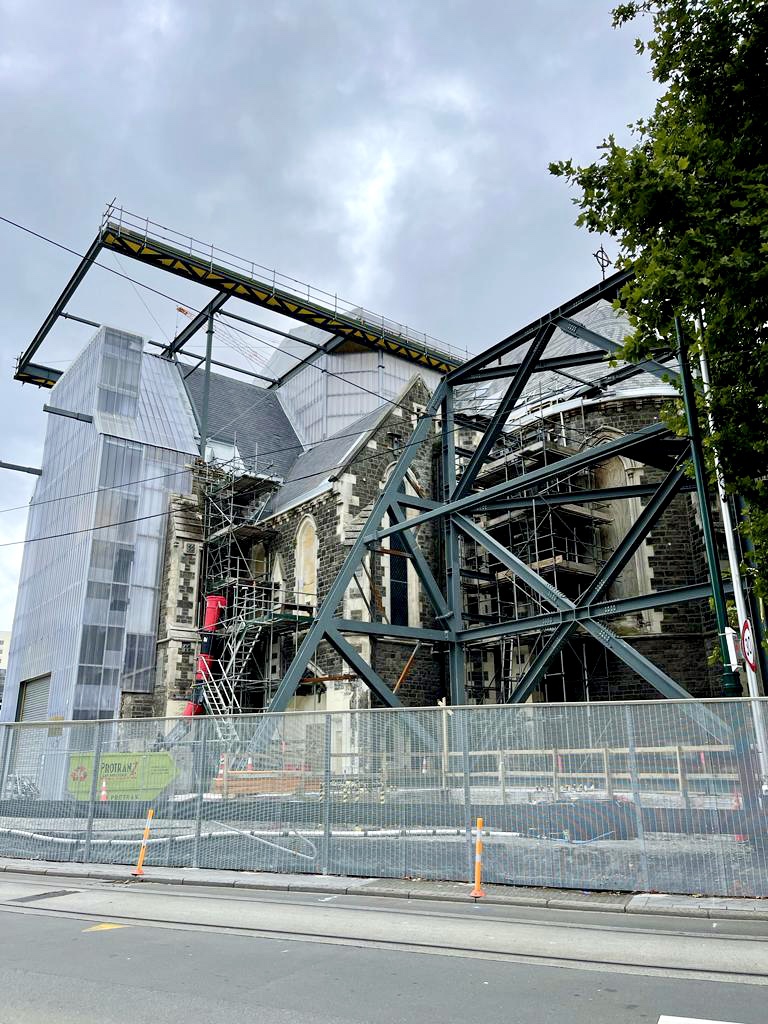
Numerous earthquakes since 1881 have repeatedly damaged the Christchurch Anglican Cathedral, mostly the spire. The February 2011 earthquake destroyed the spire and the upper portion of the tower, and severely damaged the rest of the building. A lower portion of the tower was demolished immediately following the 2011 earthquake to facilitate search and rescue operations. The remainder of the tower was demolished in March 2012. The badly damaged west wall, which contained the rose window, partially collapsed in June 2011. Stabilisation and restoration work on the church began in mid-2019 but it is a very costly process and will take quite some time to complete.
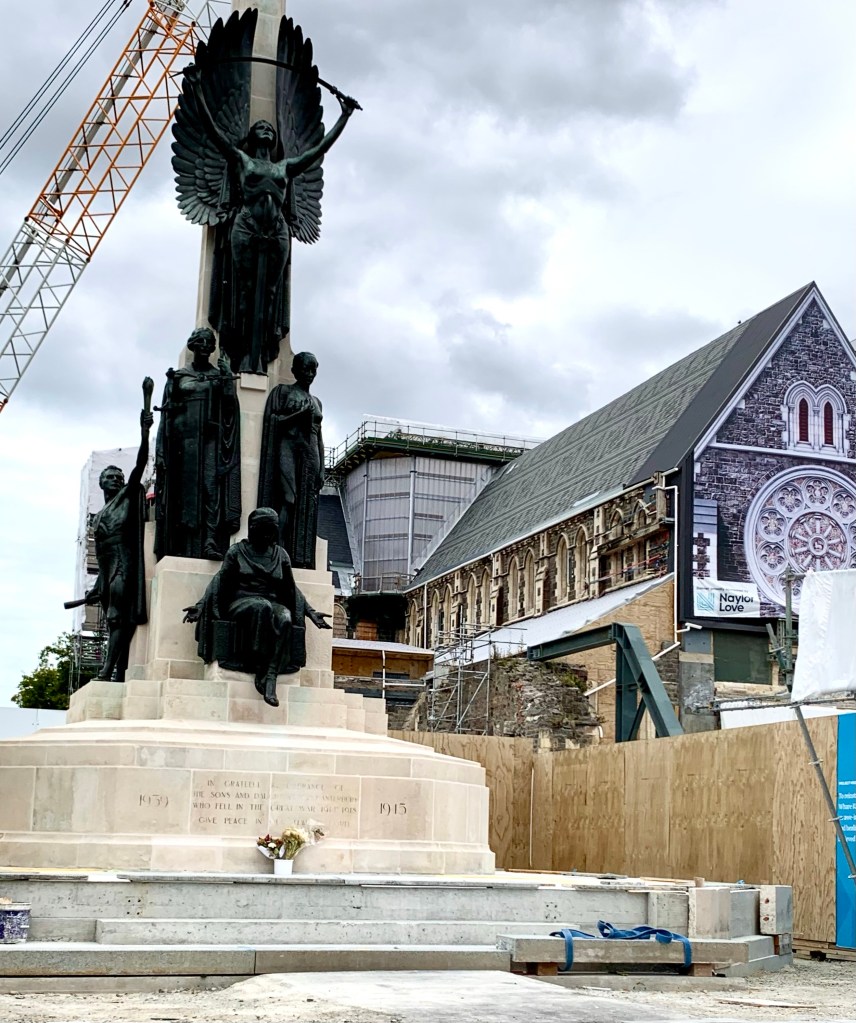
The 16m tall bronze Soldiers’ War Memorial was originally proposed in 1919 and was finally completed very close to the outbreak of the Second World War. It consists of a group of allegorical figures: the centrally placed mourning figure of Sacrifice, flanked by Youth holding a torch, a blindfolded Justice holding scales, Peace with a dove and olive branch, and Valour in the armour of St George. Towering over them is a winged female figure representing Victory breaking the sword of battle. The engraving at the base of the memorial reads: In grateful remembrance of the sons and daughters of Canterbury who fell in the Great War 1914–1918 Give peace in our time o Lord.
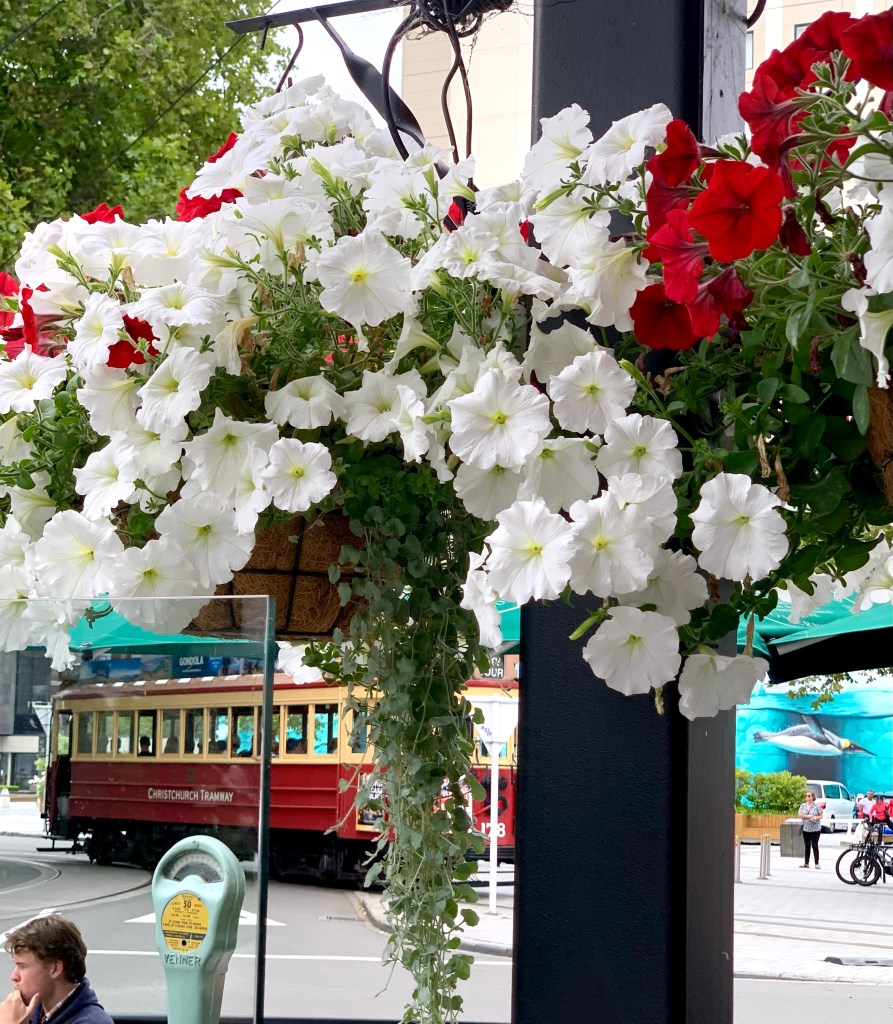
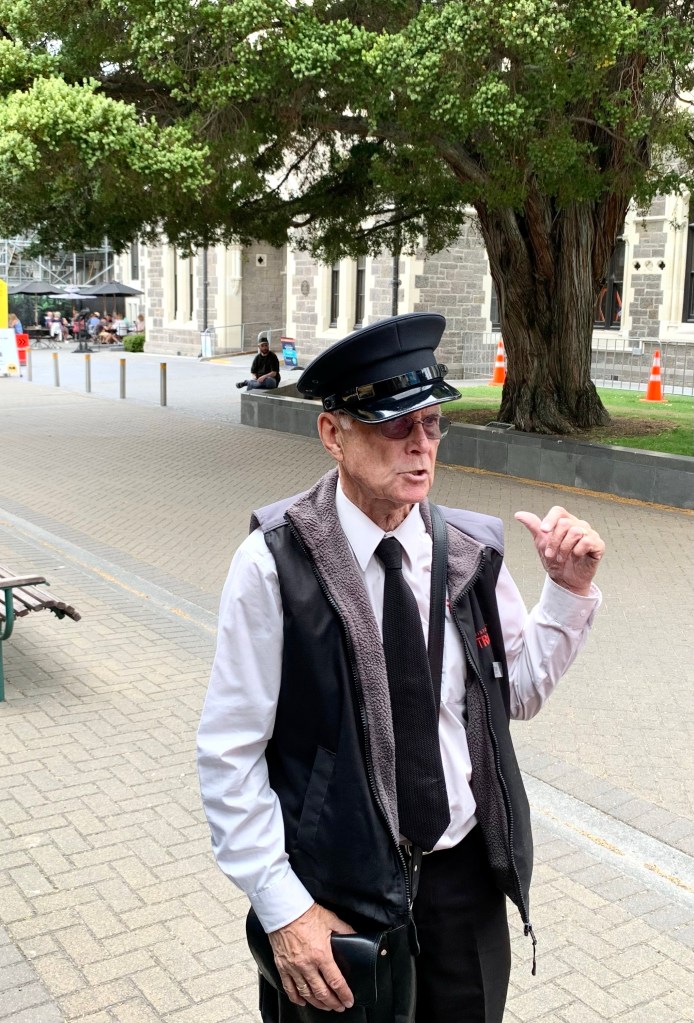
We boarded the tram and set off on the route around the centre of town. The tram driver was quite a curmudgeonly character with some strong views but he was also very knowledgeable and had good stories. It was a very informative and entertaining ride. The driver pointed out some of the vacant lots where buildings have been demolished and also some of the new modern buildings that have been built since the earthquake. The scale and extent of the loss to the city became apparent as the tram made its way through the city streets. The driver explained that, although the insurance payouts were huge, the cost of reconstruction is even greater and it is clear that it is going to take years for the many wounds of the earthquake to be healed.
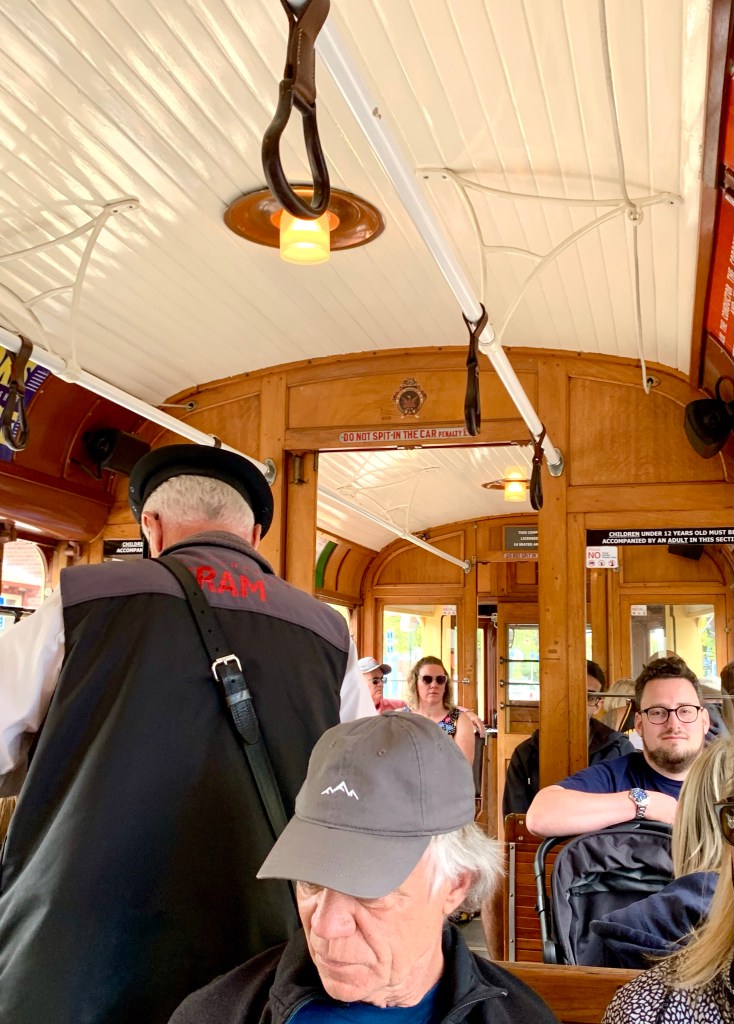
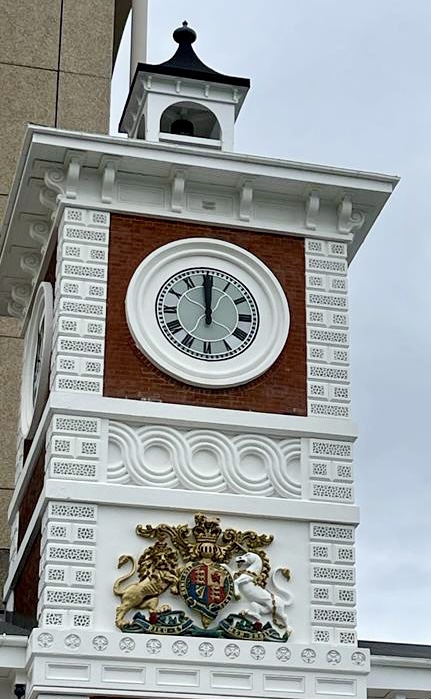
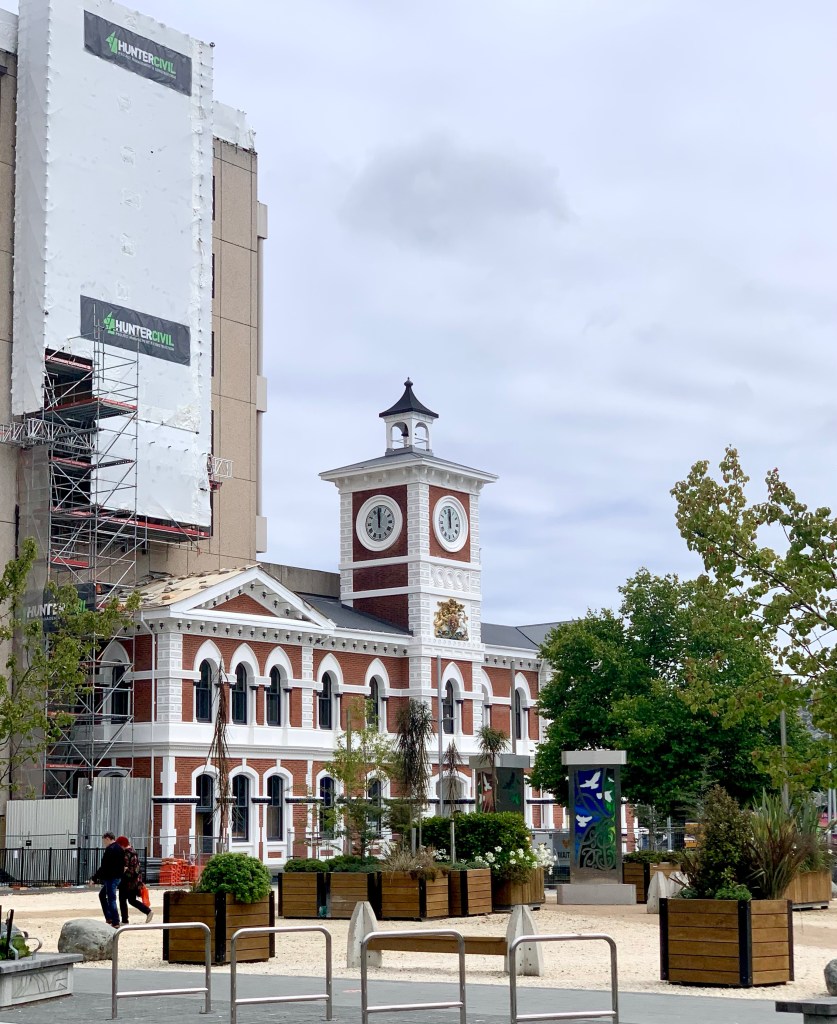
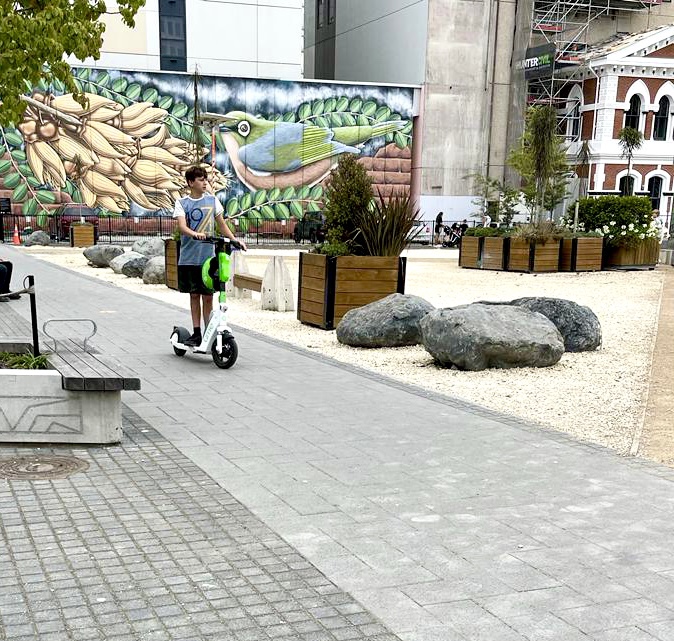
All photographs are memento mori. To take a photograph is to participate in another person’s (or thing’s) mortality, vulnerability, mutability. Precisely by slicing out this moment and freezing it, all photographs testify to time’s relentless. – Susan Sontag
A few moments frozen in time recorded on the streets of Christchurch on Saturday, the 21st of January 2023:
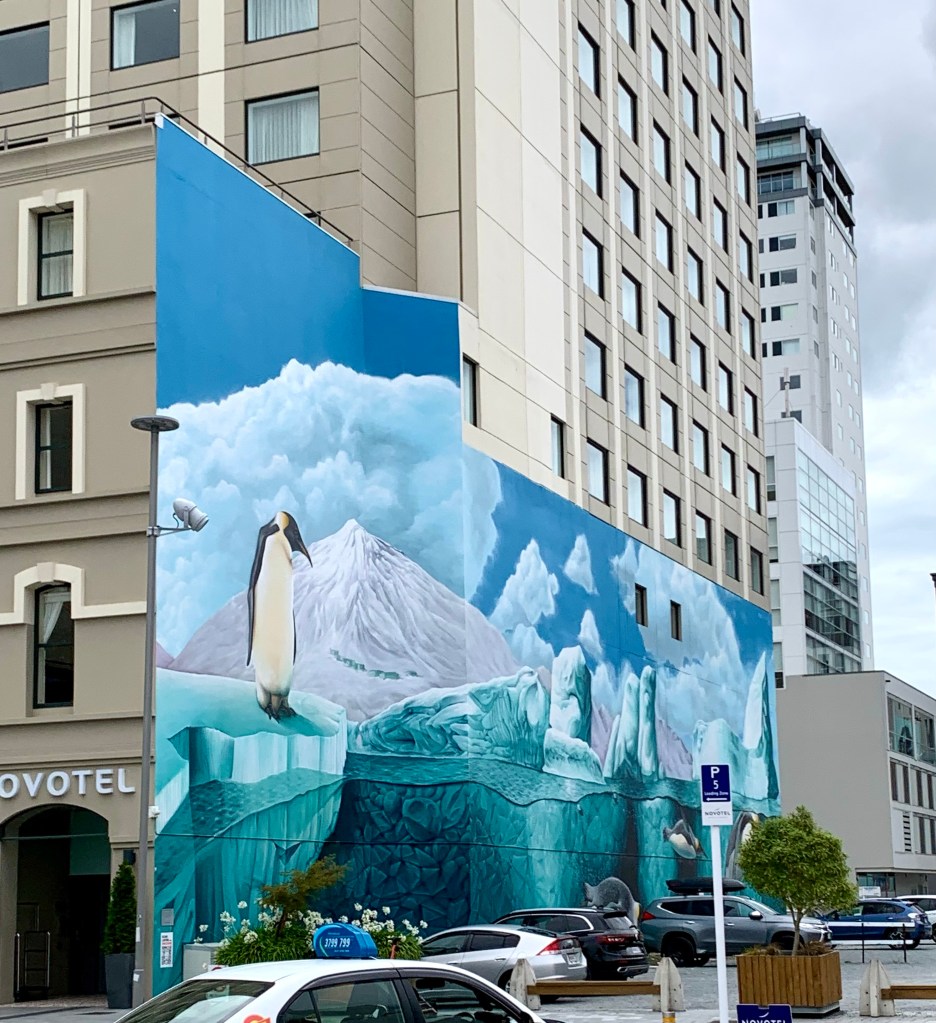
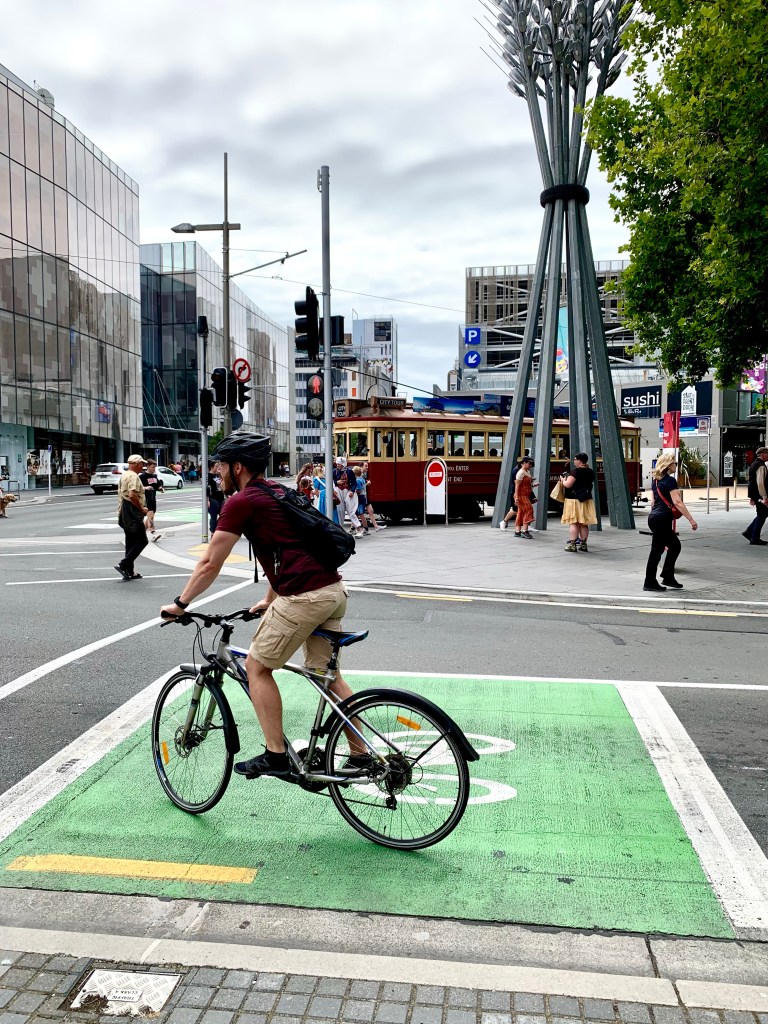
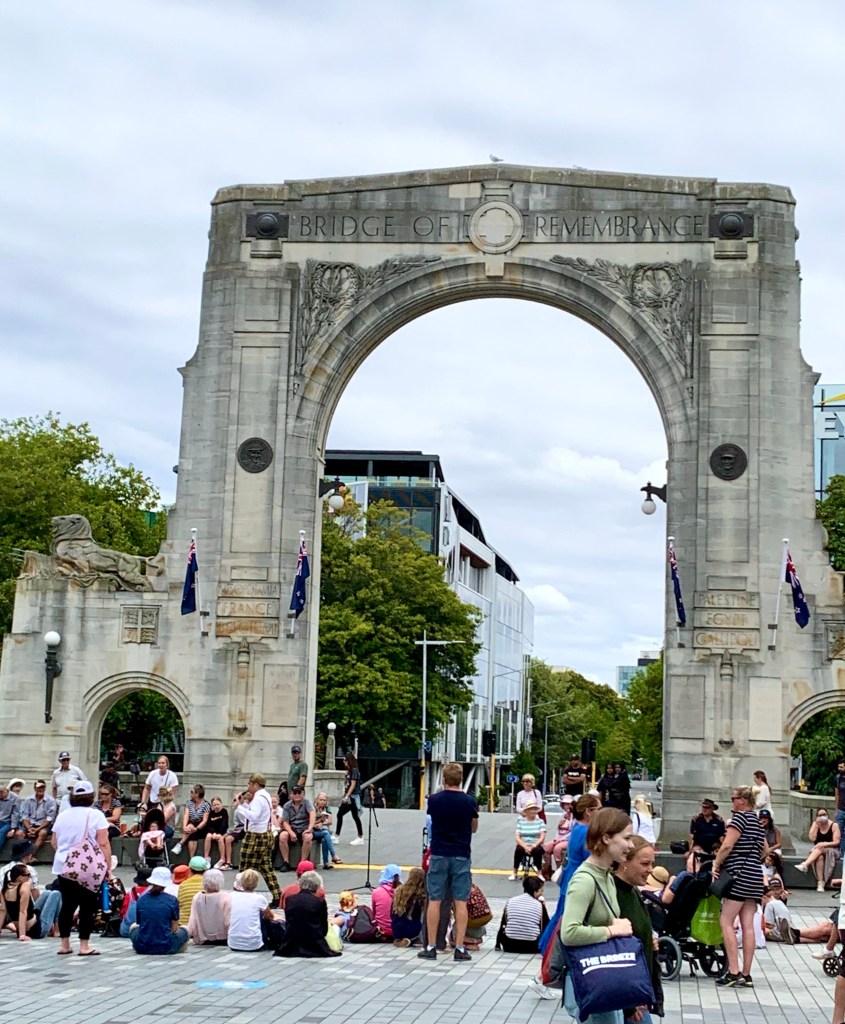
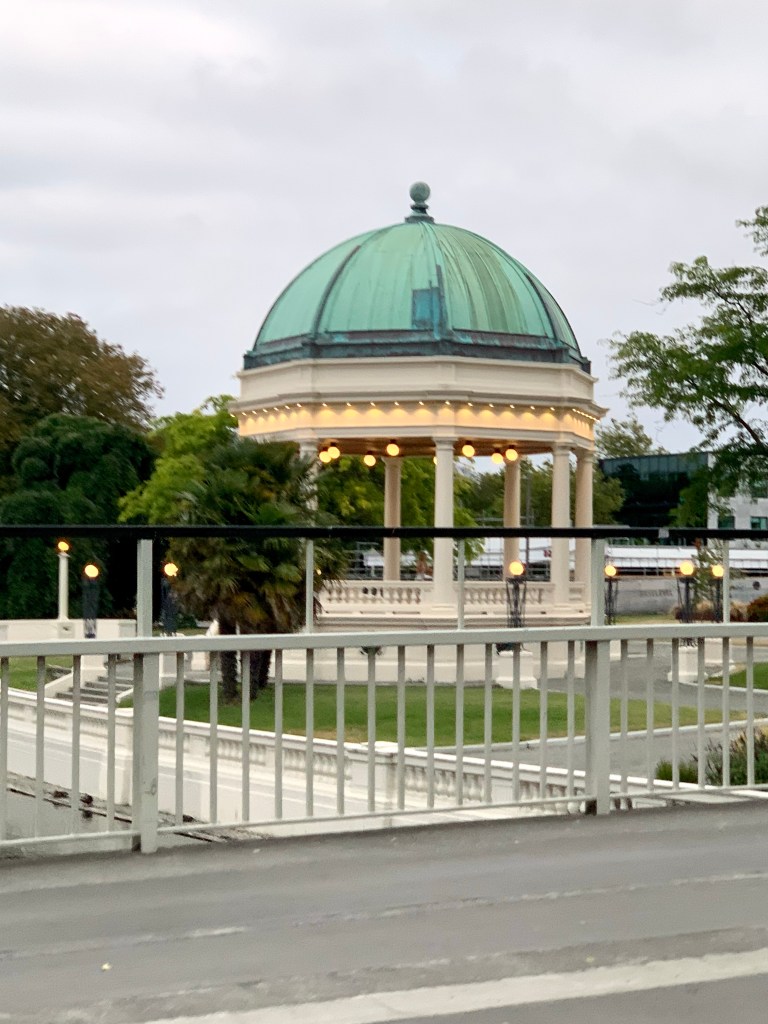
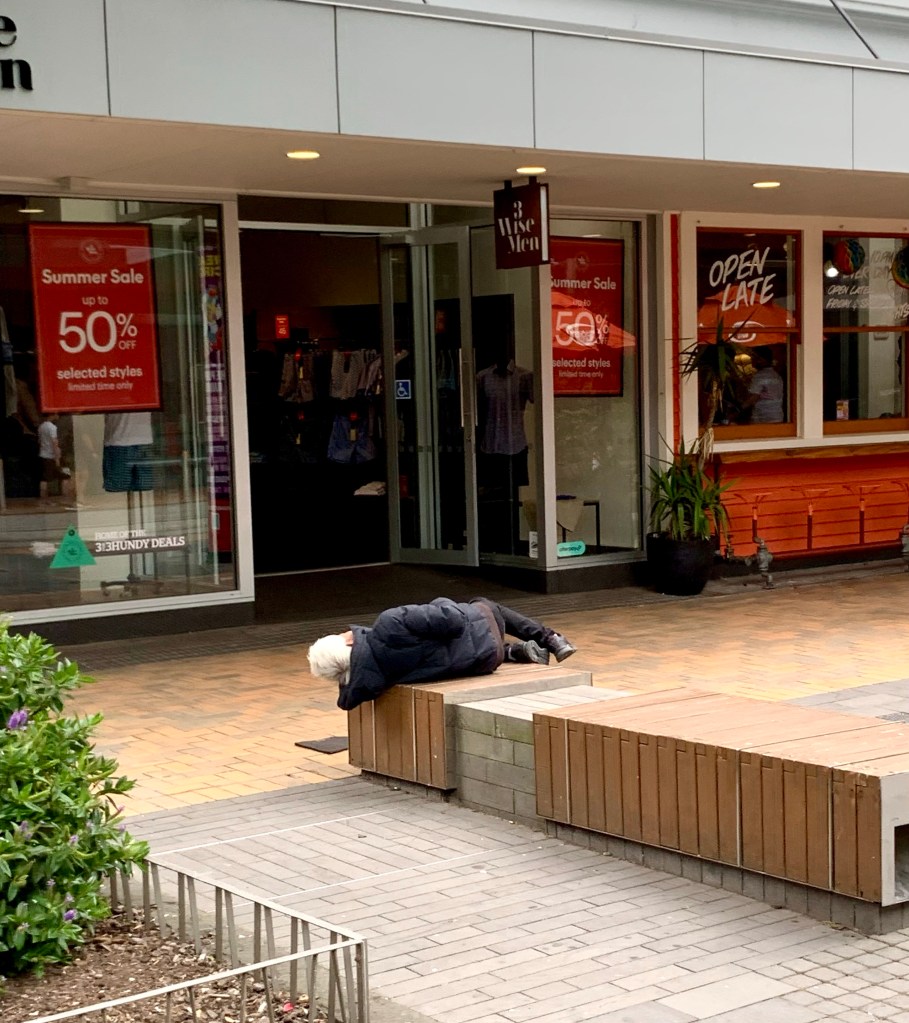
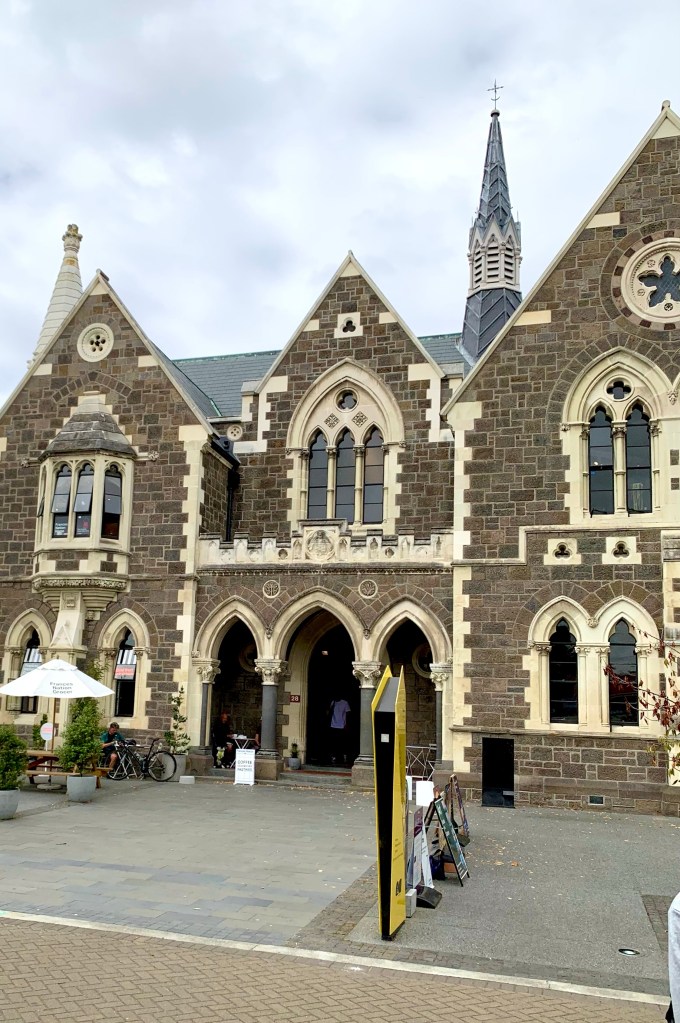
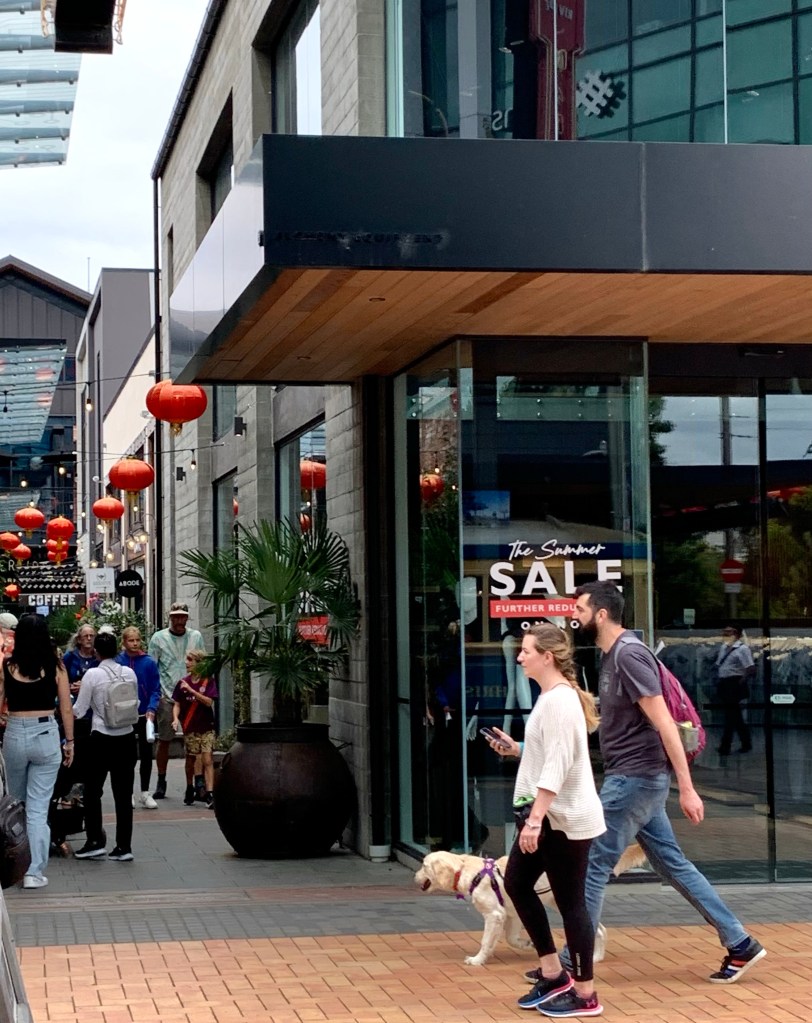
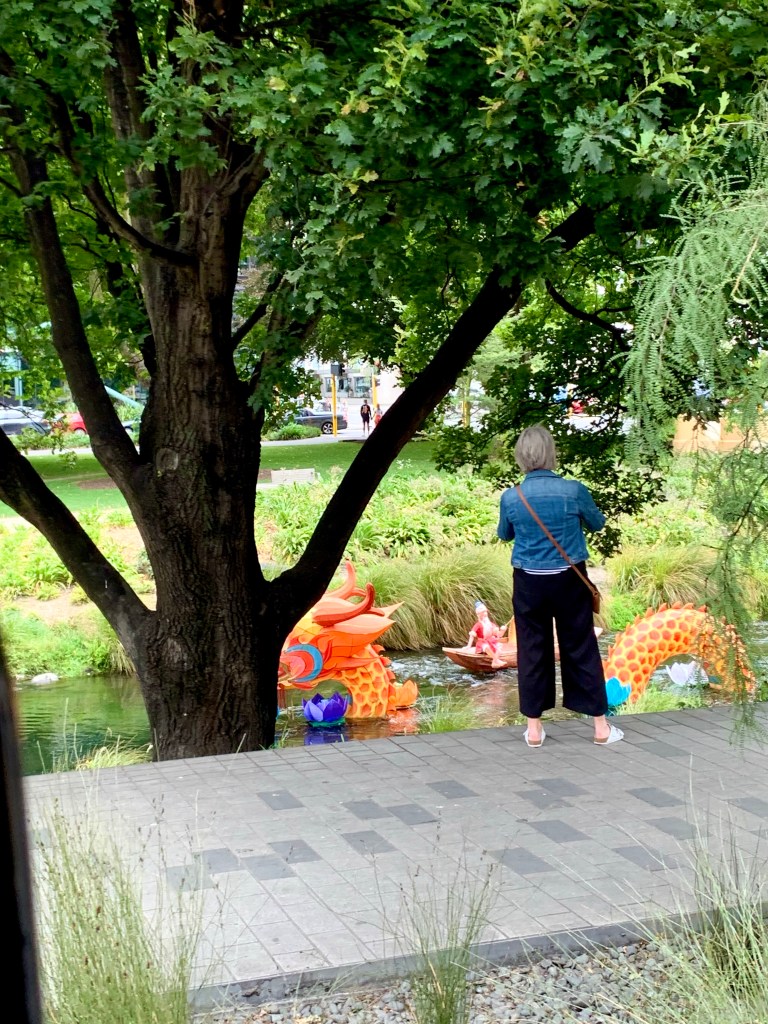
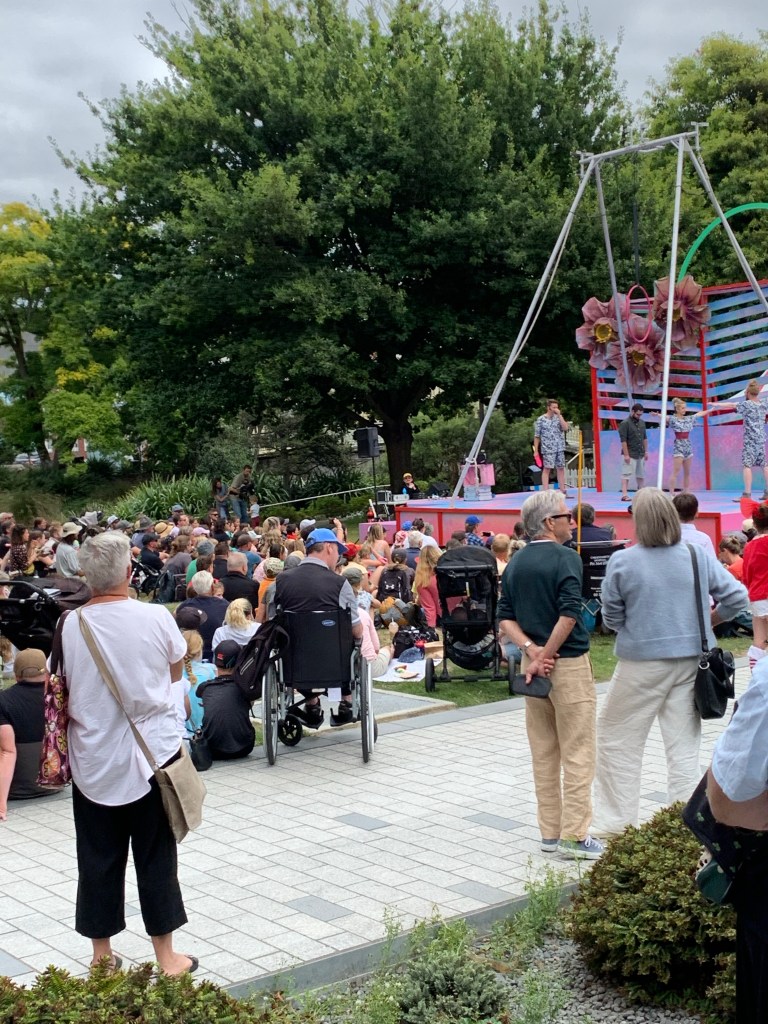
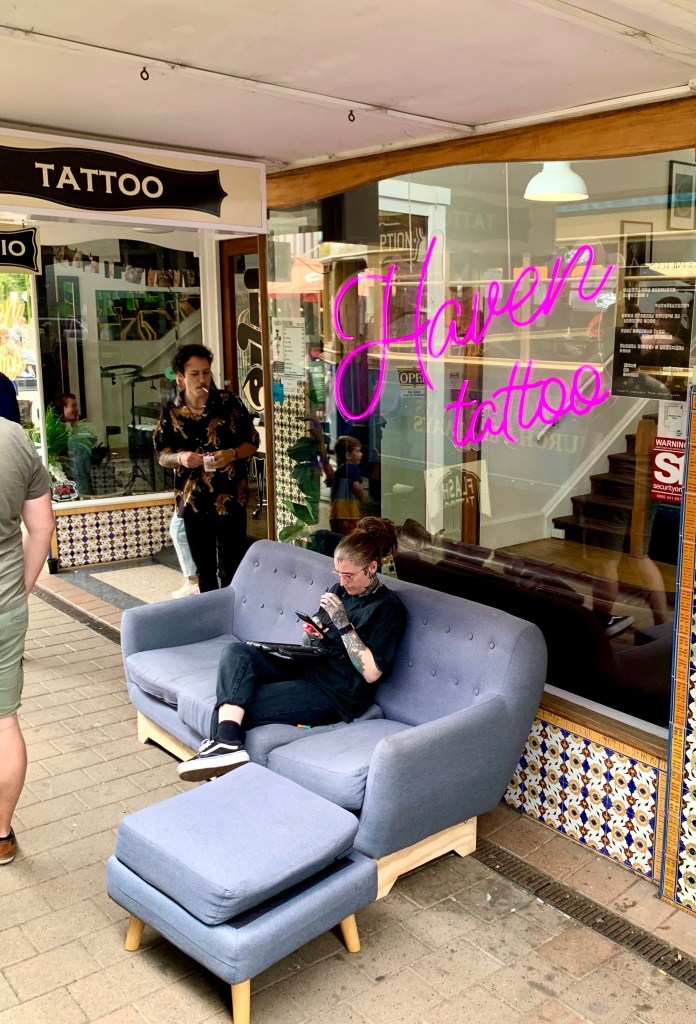
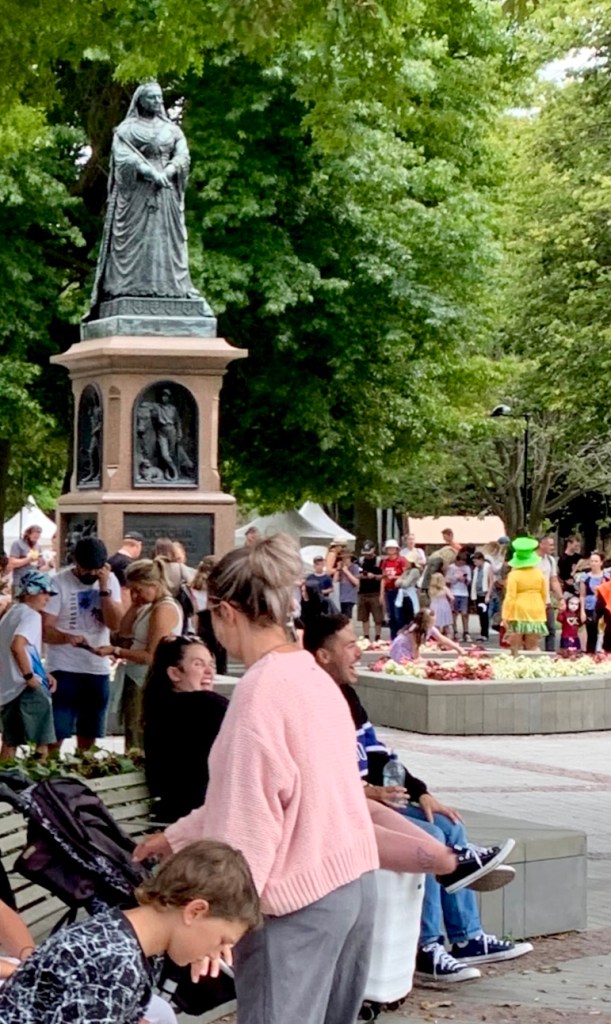
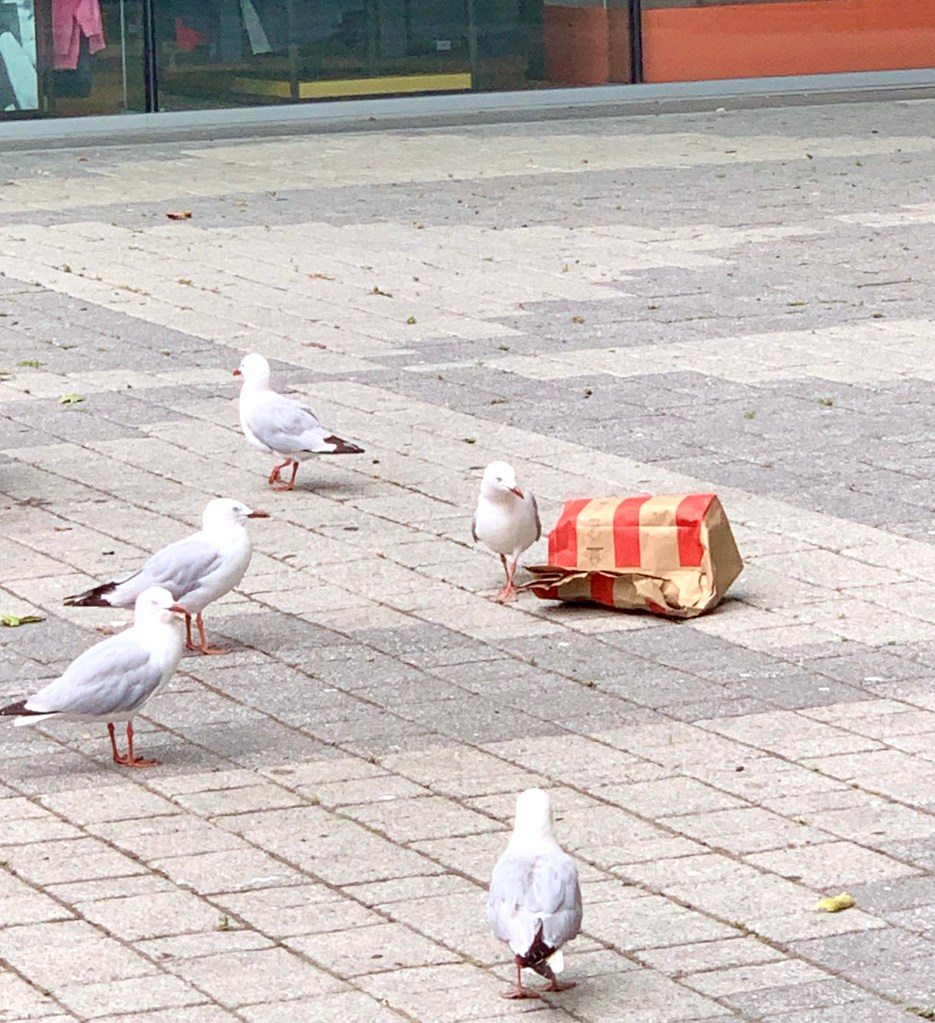
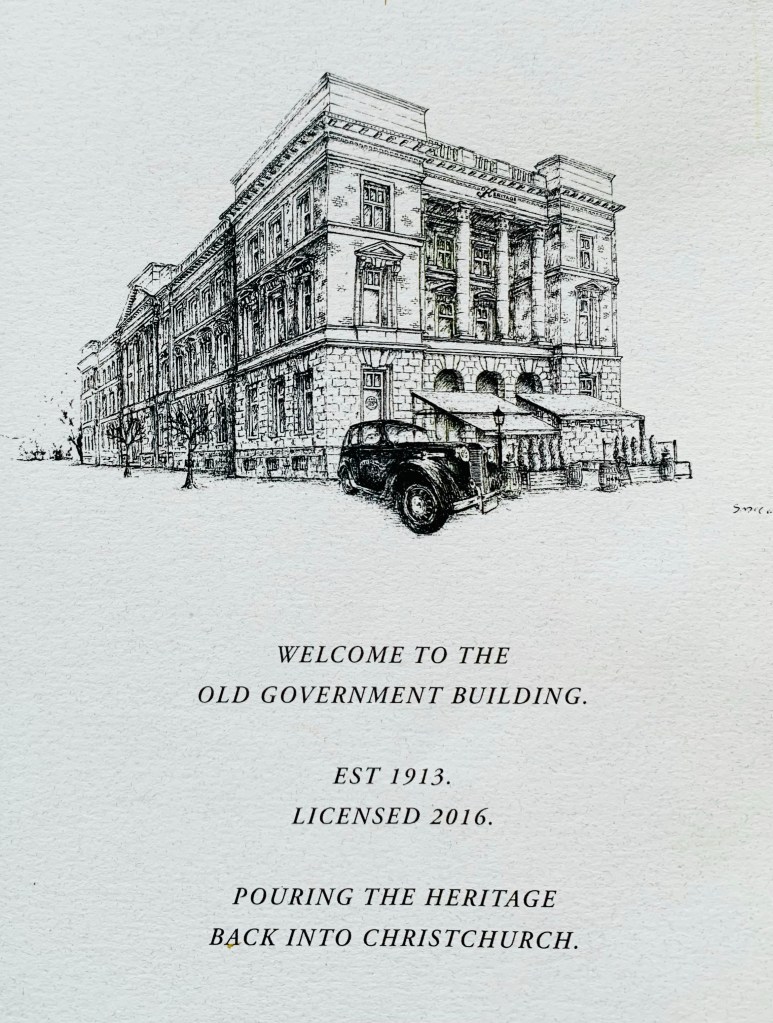
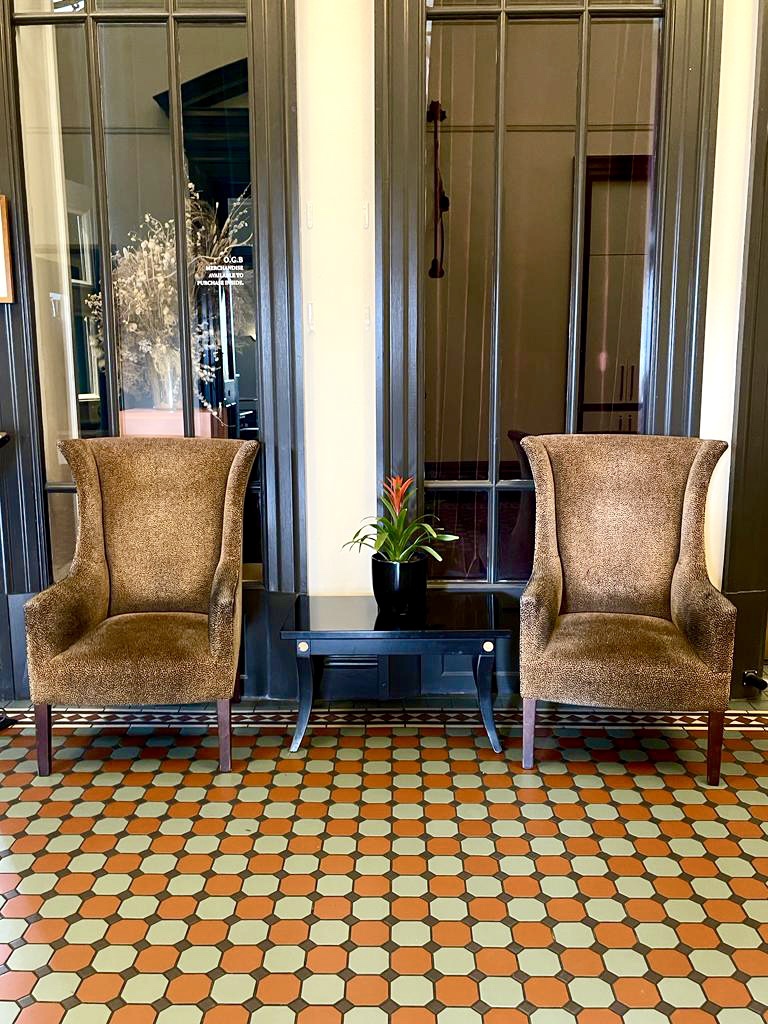
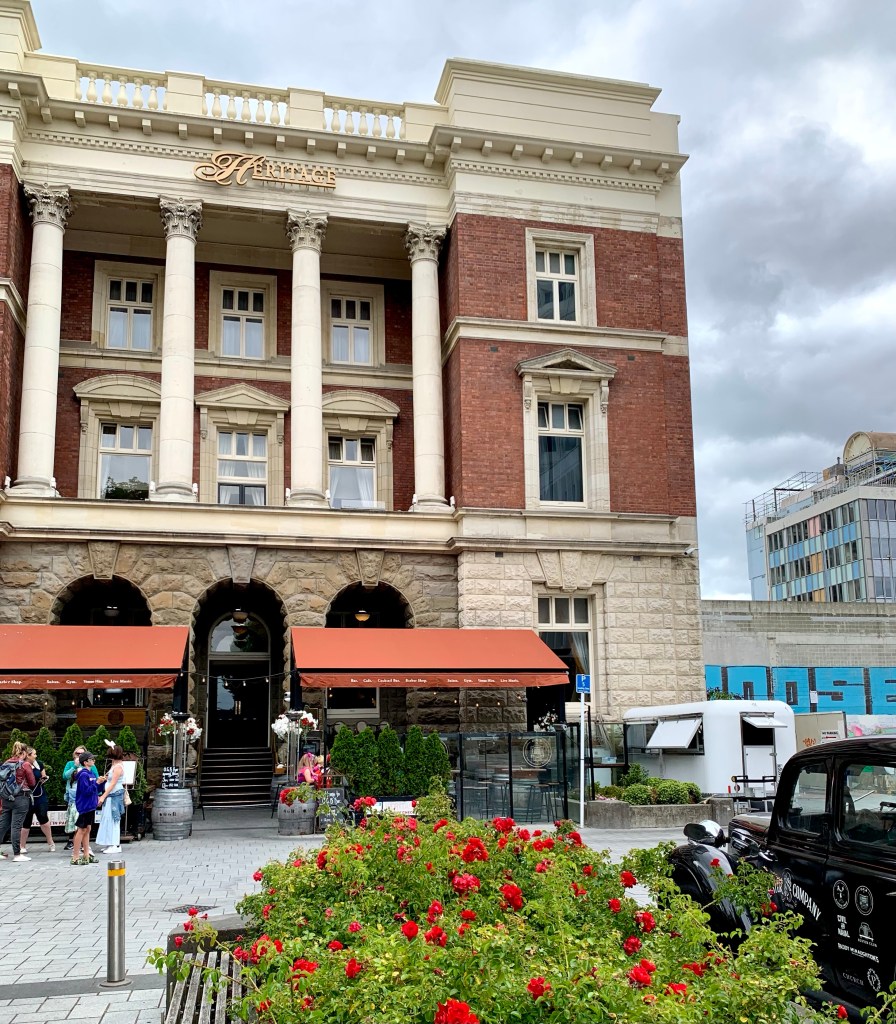
Lunchtime and we decided not to join the seagulls for a KFC meal but to have lunch at a café located in a grand building that used to be known as the Old Government Building. We had a very nice lunch there.
 Unhitched
I can’t believe that you didn’t stop someone to ask why they were dressed that way. The standard of information provided in this blog is on the slippery slope. I bet the carmudgeonly tram driver knew but you failed to illicit the necessary information from him either. I look forward to some improvement in forthcoming missives or my interest level may dwindle.
LikeLiked by 1 person
😂🤣 We asked several people and no one had an explanation. It is true that we did not approach any of the Mad Hatters themselves and that was indeed a failing but, in my defense, I feared for my sanity and my courage deserted me. Mea culpa. Mea maxima culpa. I shall endeavour to do better.
LikeLiked by 1 person
OK a rather flimsy and transparent excuse is accepted on this occasion. I shall overlook this momentary lapse and look forward to reading that which is yet to come.
LikeLiked by 1 person