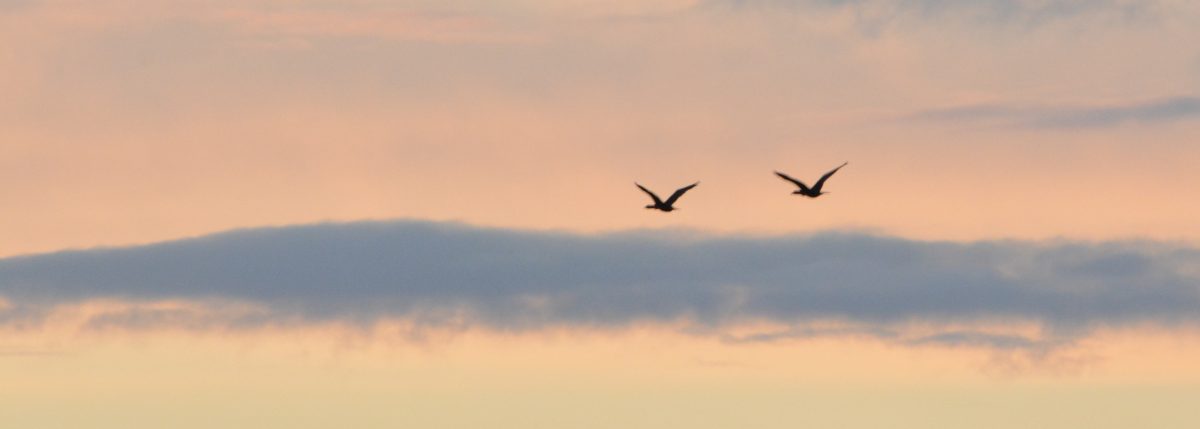
Let us not forget that the cultivation of the earth is the most important labor of man. When tillage begins, other arts follow. The farmers, therefore, are the founders of human civilization. – Daniel Webster, US senator
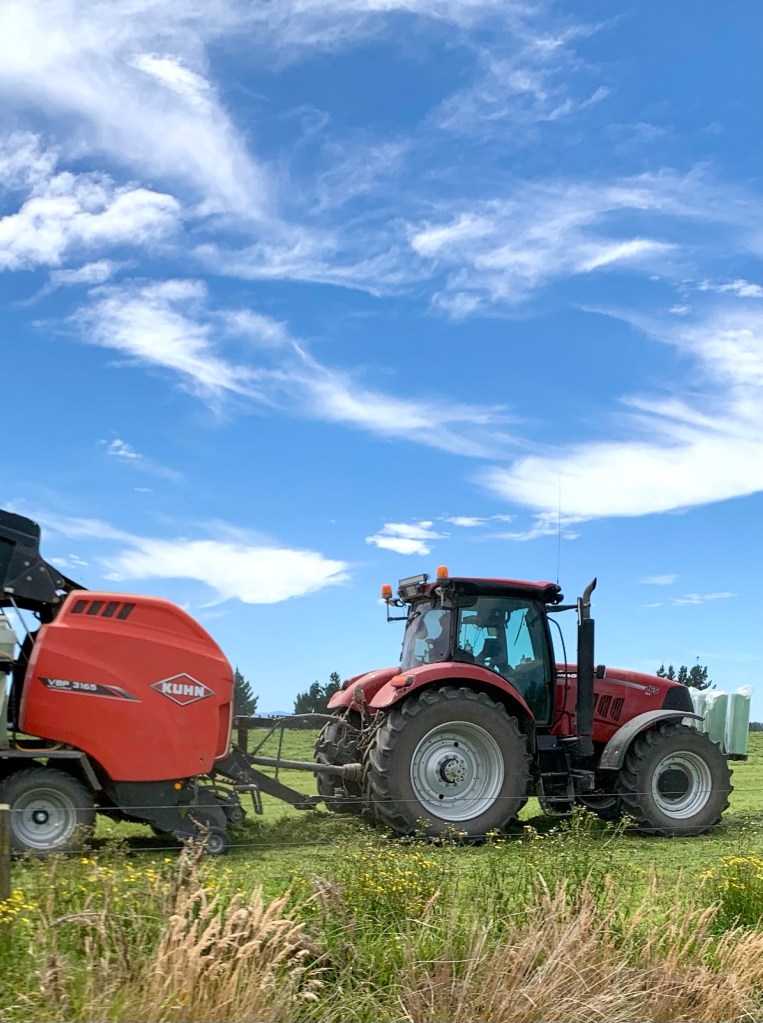
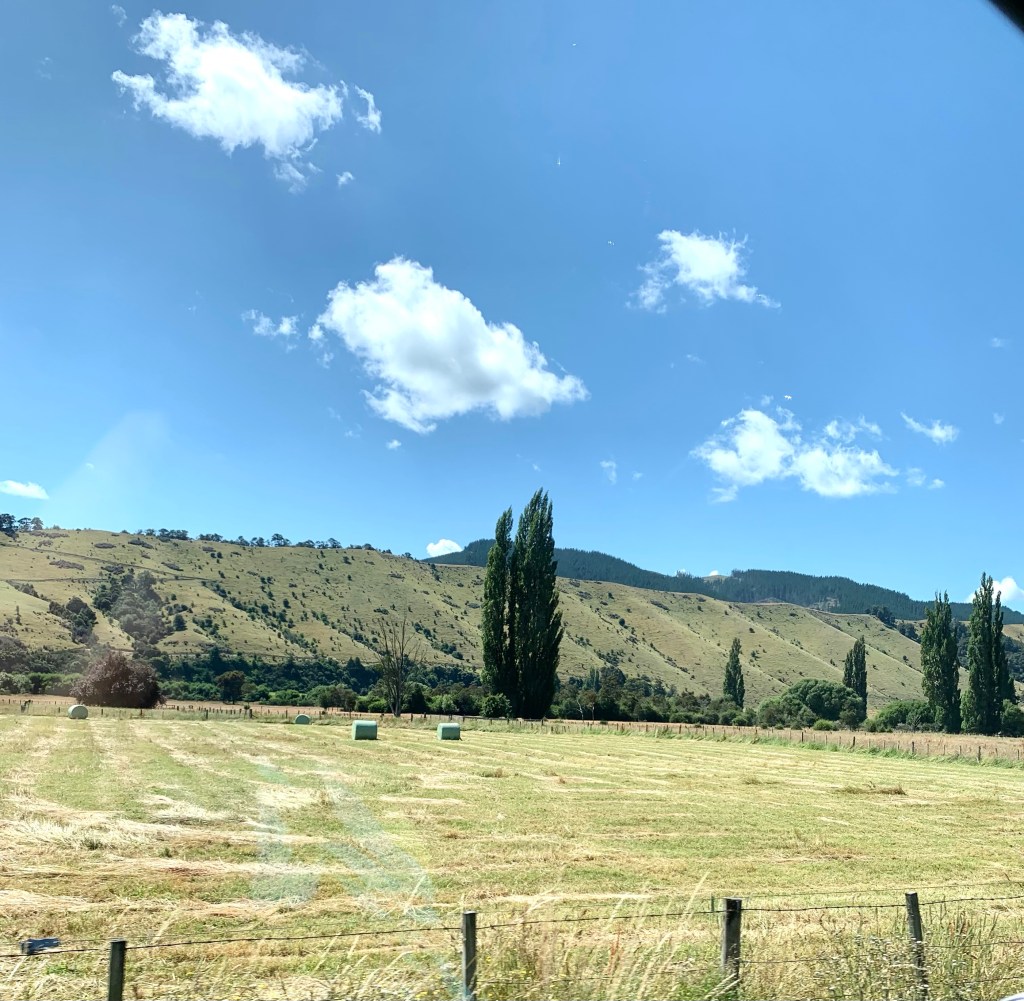
Once you turn left out of Nelson onto State Highway 6, you very soon find yourself in amongst farms on both sides of the road. This is clearly an area of very fertile land and an amenable climate because we saw a wide range of crops being grown: maize, apples, hops, olives, avocados, vegetables, grapes, berries and wheat.
The distance from Nelson to our next destination, Greymouth, is just over 280km with an estimated driving time (according to Google maps) of 3 and a half hours. On the topic of Google Maps, I have reflected numerous times on this trip and others on the incredible difference that Google maps has made to our lives. It really is something of a miracle.The long road trips we did with Danielle and Tristan through Australia and Canada when they were young always involved the non-driver having to do a lot of navigation. The first thing you had to do when you got to the place you were visiting was to find a petrol station or a bookshop that sold a much more detailed atlas or foldout map of the area than the more general one of that area you had used for your planning bought from a bookshop where you lived. You had to have that map open in front of you for the whole trip and pay careful attention to it, hoping that the information it contained was accurate. The idea of the sophisticated GPS-enabled navigation technology we have on a personal phone now was just the stuff of sci-fi.
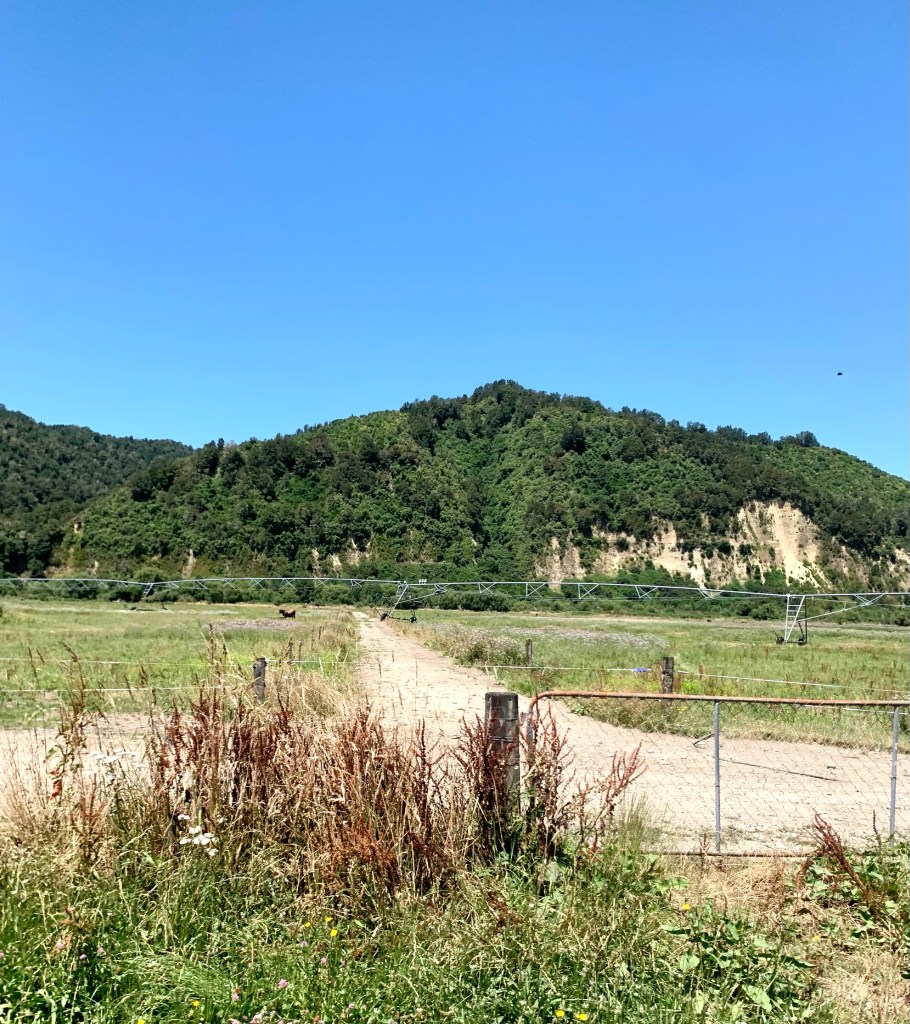
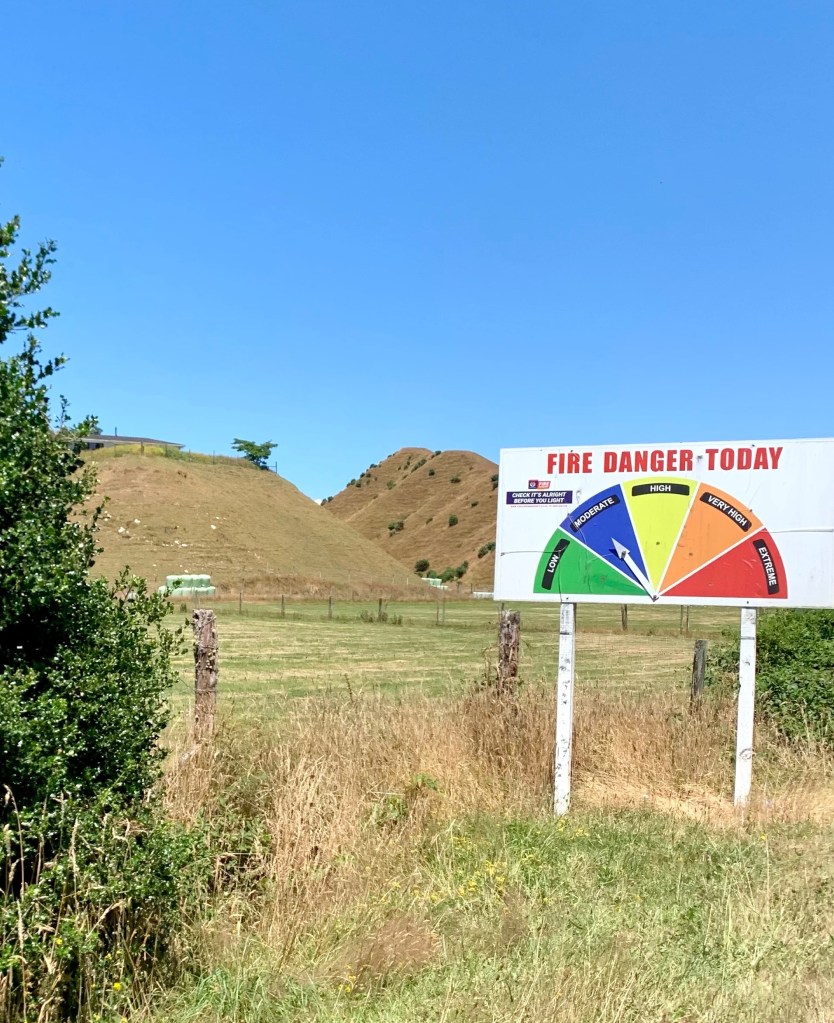
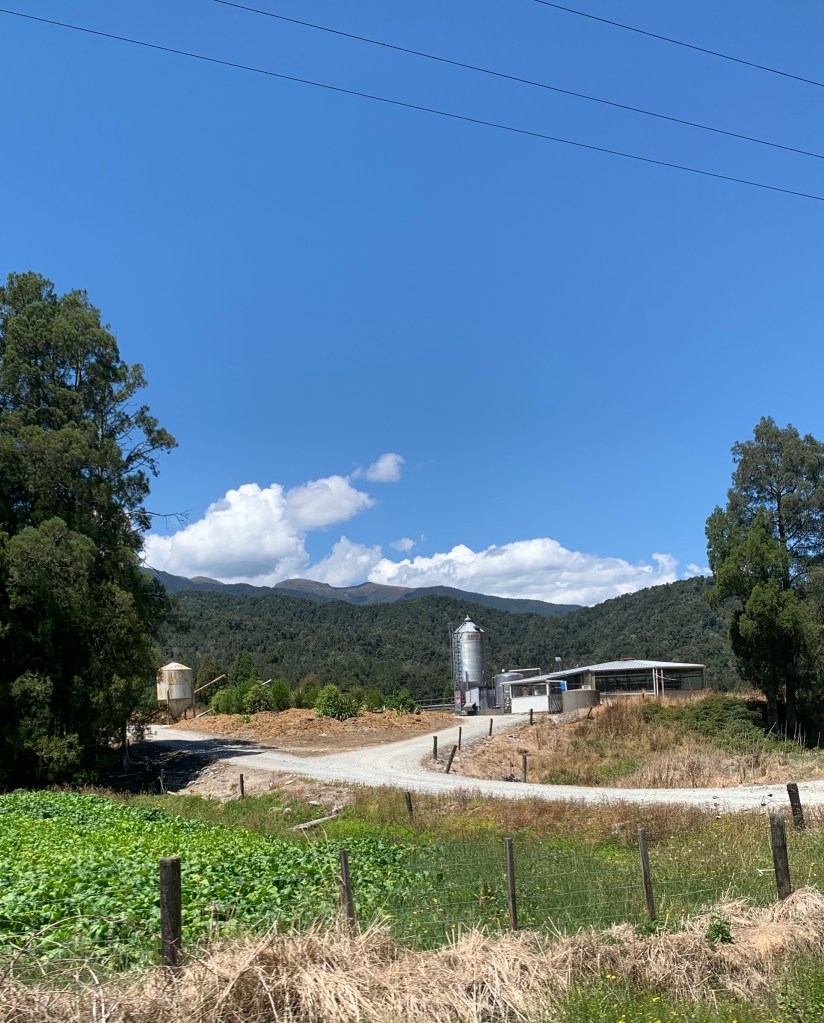
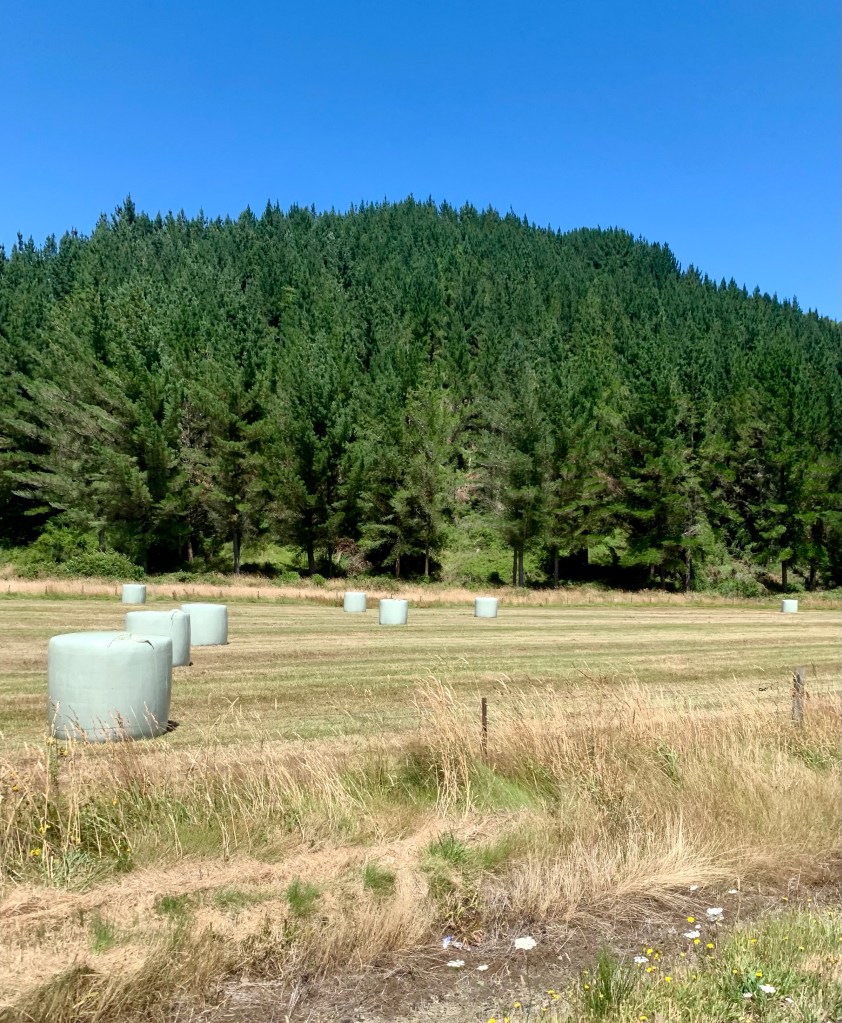
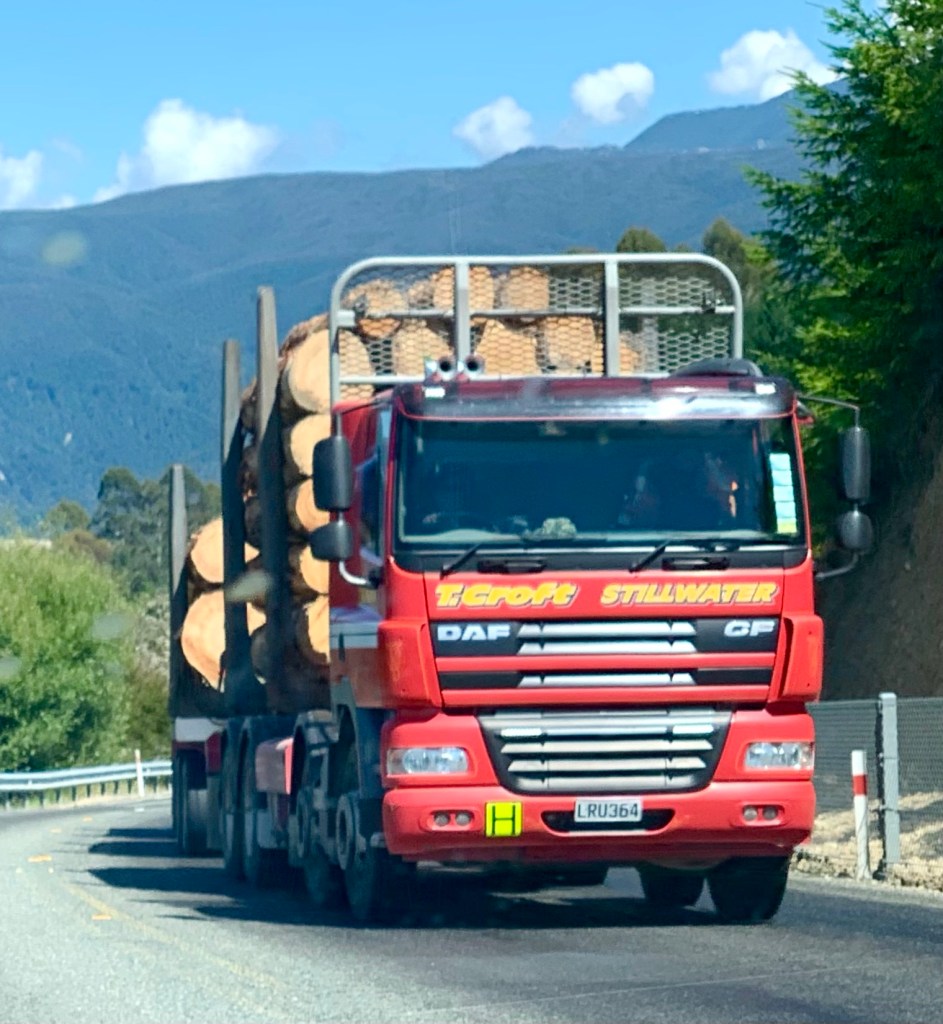
The countryside on the first part of the long road from Nelson to the west coast changes quite a lot, with areas of farmland interspersed by forested land and rocky hills. Judging from the number of trucks carrying lumber that we passed, there is a lot of logging and wood milling going on in the area too.
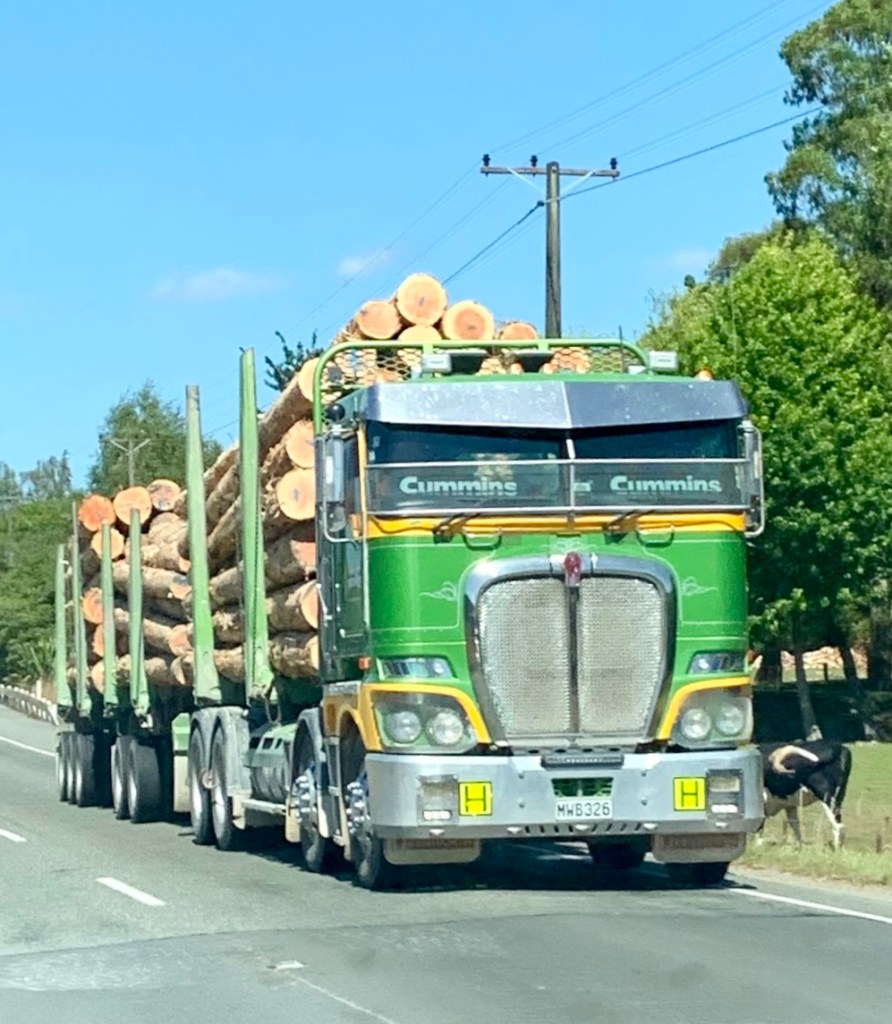
There is also a lot of livestock farming and, contrary to my expectations, there is far more cattle farming in this area than sheep. There is also deer farming.
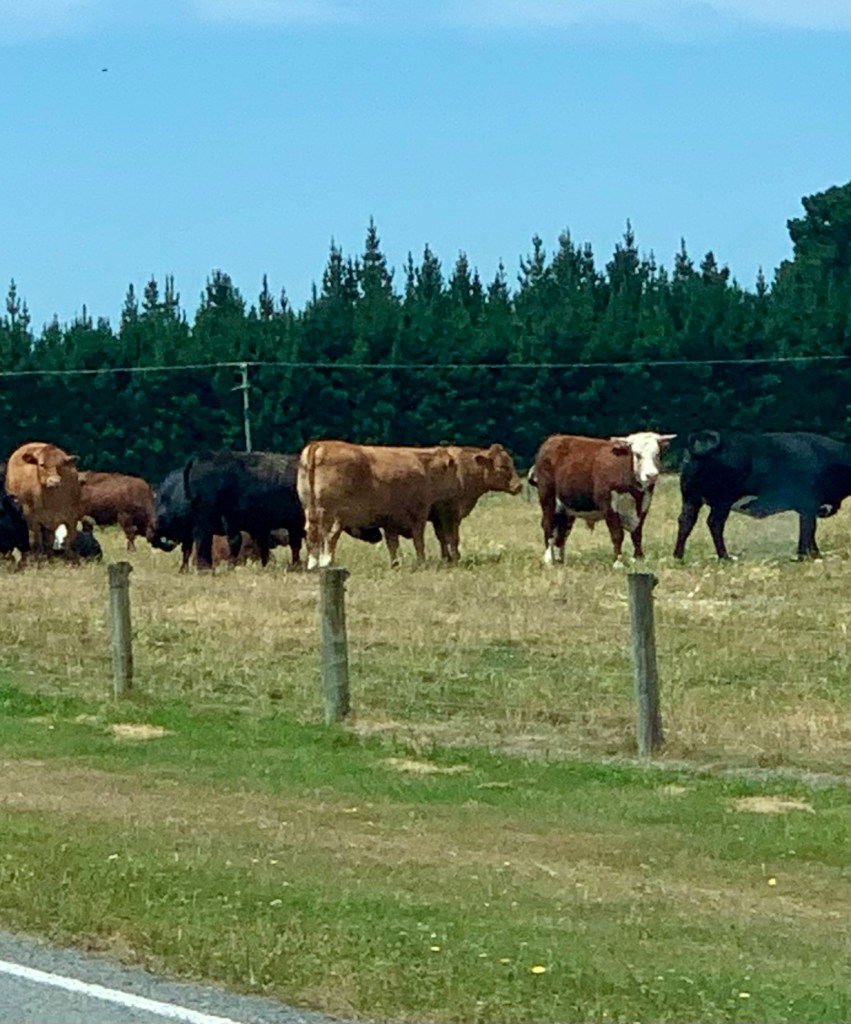
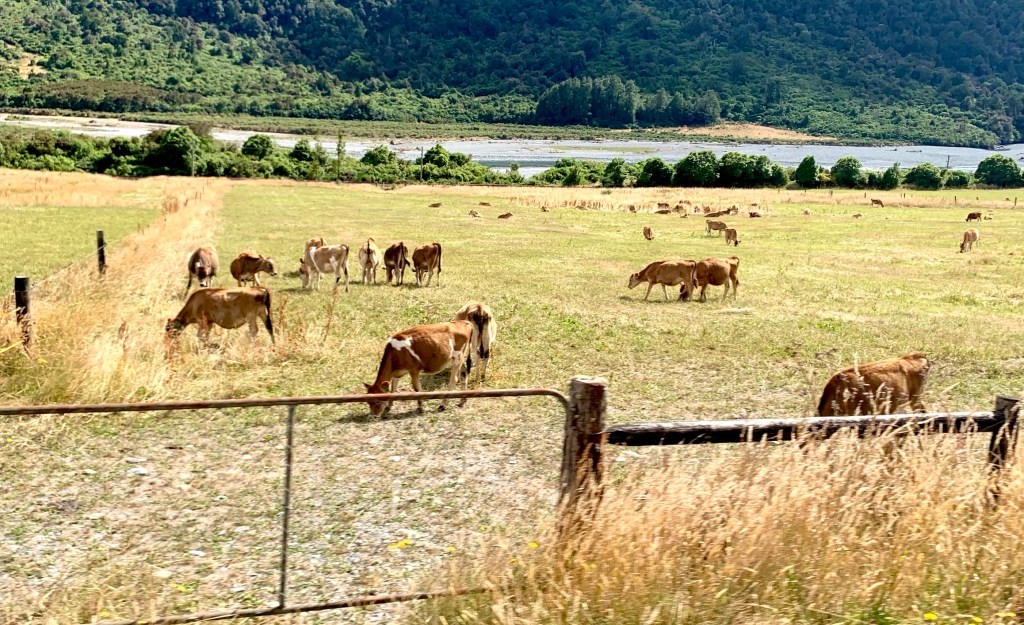
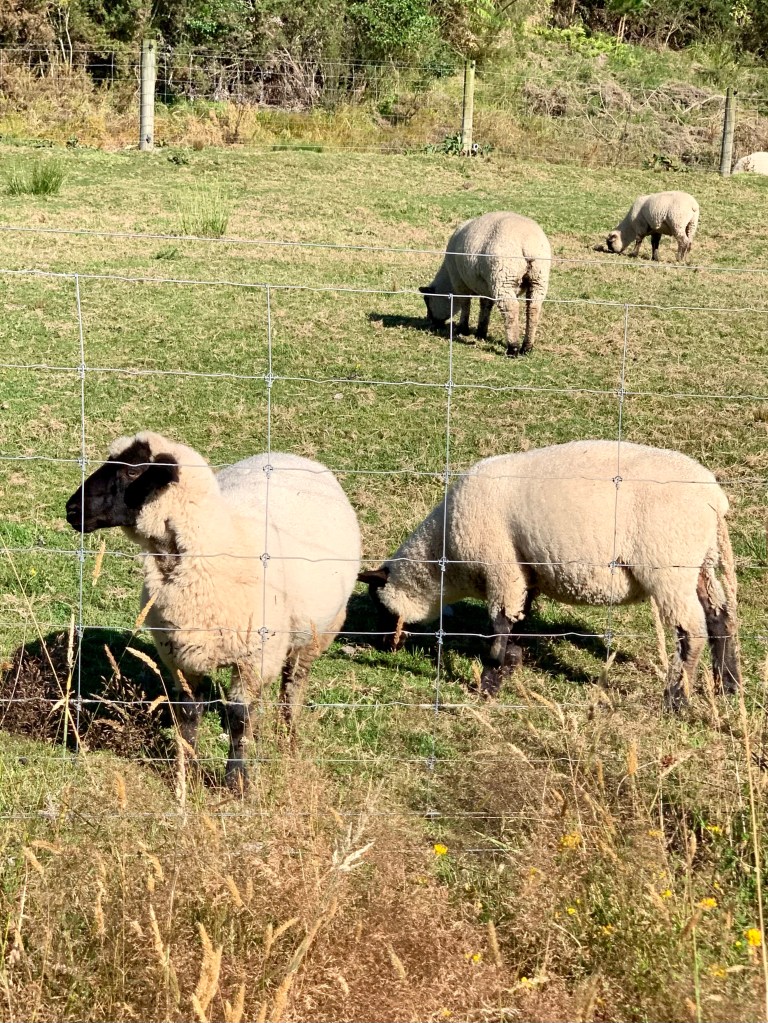
We stopped after an hour and a half’s drive at a small rural service town called Murchison for a coffee, tea and a snack. The town lies at the western end of the Four Rivers Plain, at the confluence of the Buller River, the Matakitaki River, the Mangles River and the Matiri River. The town was was named after the Scottish geologist Roderick Murchison who was one of the founders of the Royal Geographical Society in 1830 for the advancement of geographical sciences. Fossicking for gold and mining took place throughout the whole of the Tasman area and, like many of the small towns in this area, many of Murchison’s early settlers were gold miners. There are still many traces of those early pioneering days around.
In 1929 Murchison was the epicentre of a major earthquake with an estimated magnitude of 7.3 on the Richter Scale. The earthquake occurred at 10:17am on the 17th June and was felt throughout New Zealand. There were 17 deaths, mostly as a result of landslides triggered by the earthquake, making it the third deadliest earthquake in New Zealand’s recorded history.

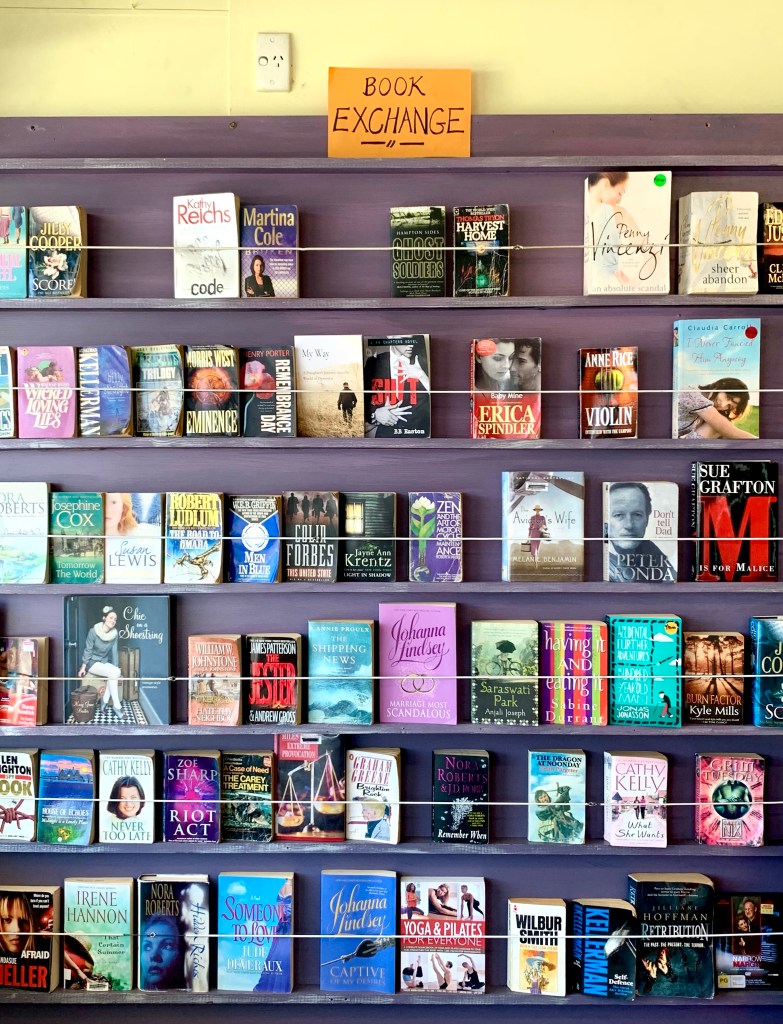
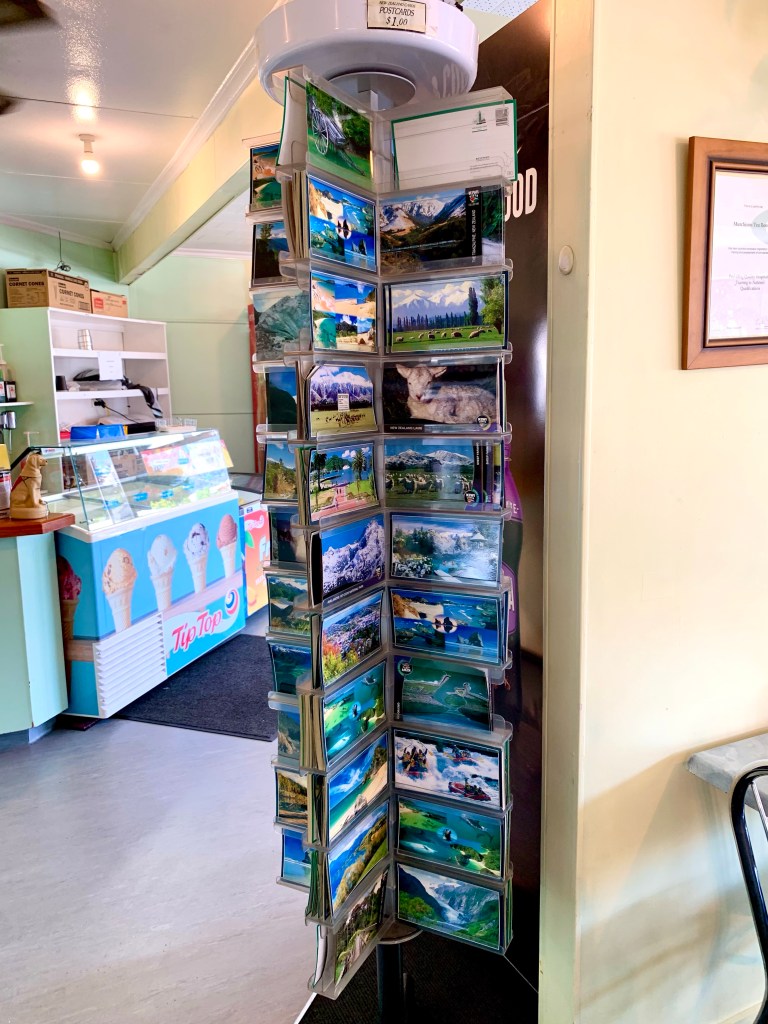
Much of what we have seen of New Zealand thus far reminds me so much of my much younger years in South Africa, particularly the wide open unspoiled landscapes; the much quieter roads with only one lane each way and the quaint small towns in the rural country areas. The café we stopped at had 2 features that are long gone in many places: a book exchange and a postcard stand. They made me feel quite nostalgic.
We sat outside to have our drinks and were quickly surrounded by lots of busy little sparrows eager for crumbs
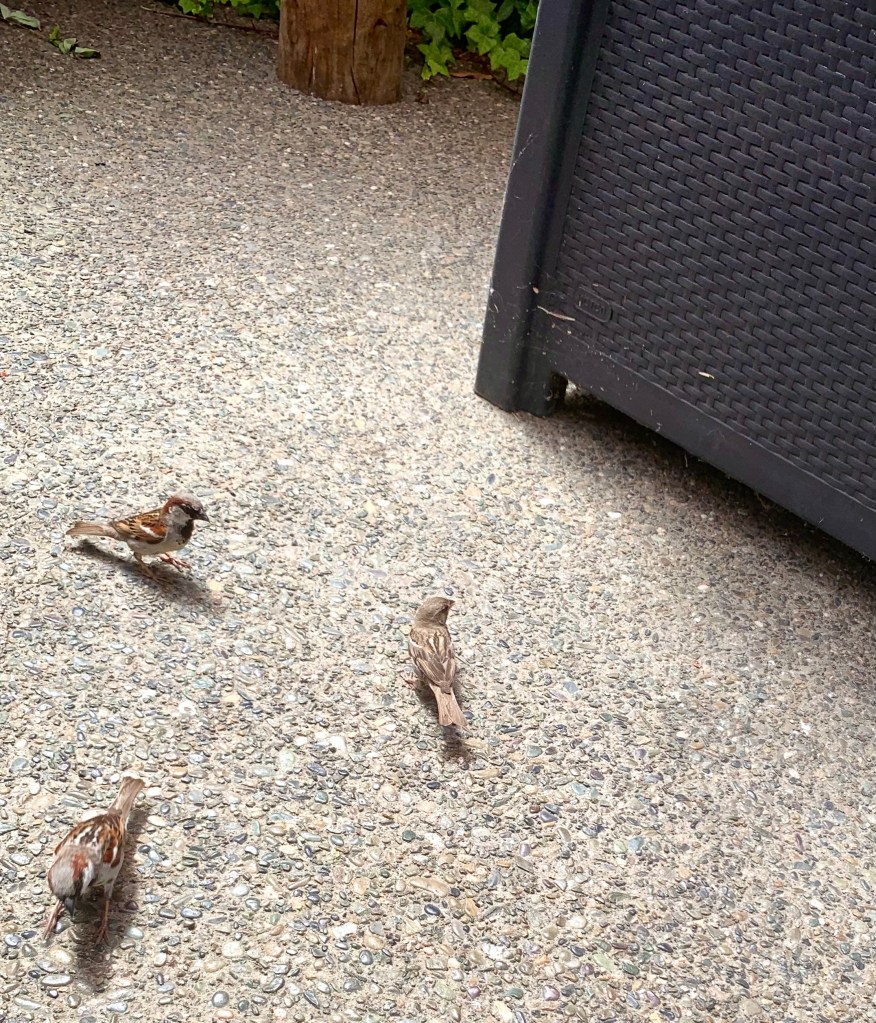
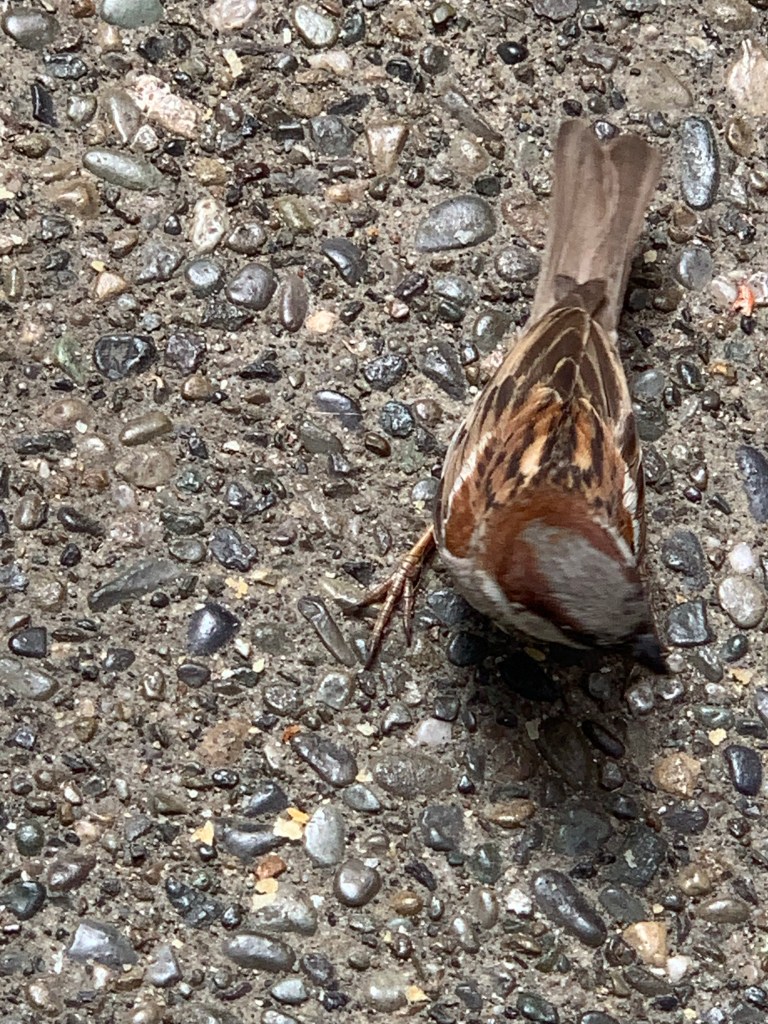
These little birds reminded me so much of one of my favourite paintings: The Goldfinch by Carel Fabritius. We saw this wonderful jewel of a painting when we visited the Mauritshuis museum in The Hague quite a number of years ago. This extraordinary little painting’s (33.5x 22.8cm) ) beauty and genius is its simplicity and appearance of spontaneity. Fabritius’s lifelike portrait of the little bird is painted with clearly visible brushstrokes; some of its wing feathers are depicted in thick yellow paint which he scratched with the handle of his brush.
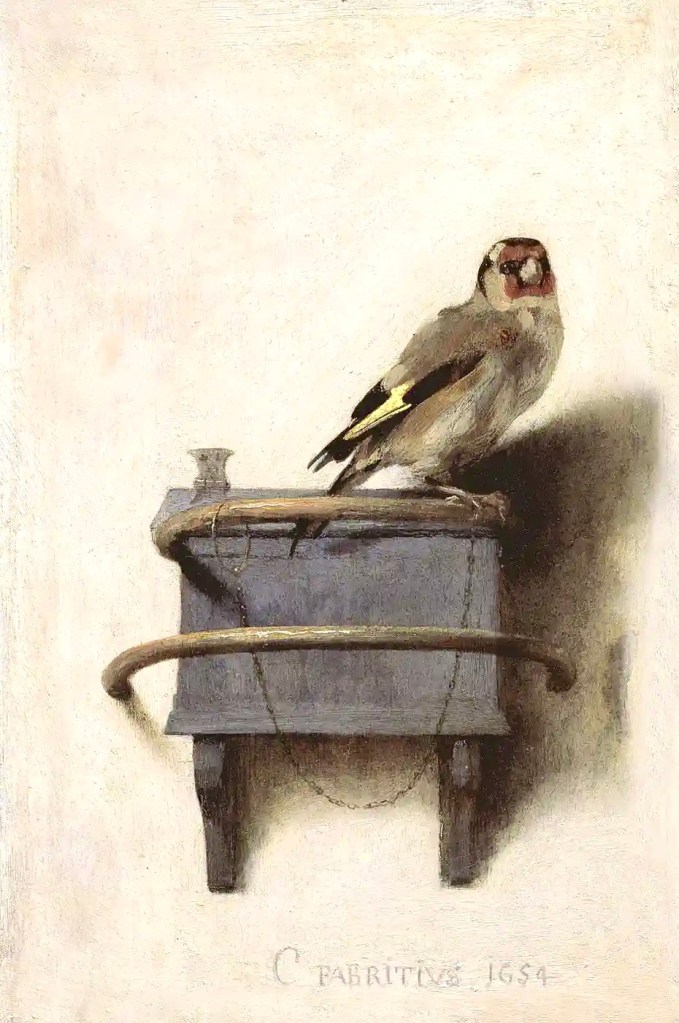
Carel Fabritius lived in Delft and was 32 when he painted The Goldfinch. Sadly, this very talented young painter had a short life that ended in a tragic accident the same year he painted his little bird. Fabritius lost his life when a gunpowder warehouse exploded catastrophically in Delft. It was a devastating explosion that destroyed a quarter of the town. Miraculously the painting survived the explosion.
Deborah Davis who has written a book about the painting quotes an art dealer who speculates that the painting may be worth $300 million. She quotes him as saying: When considered by the square inch, The Goldfinch might be one of the most valuable paintings in the world.”
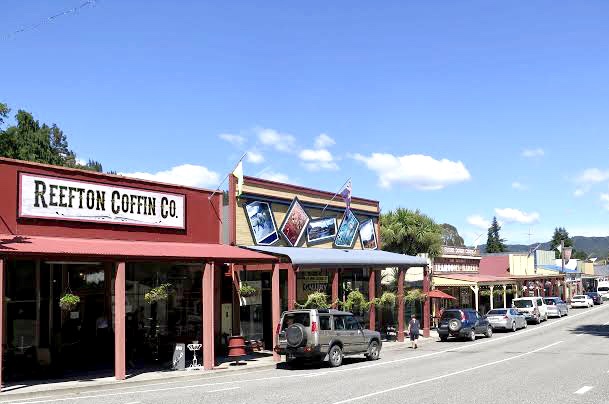
After our short break we left Murchison and continued on State Highway 6 through the Upper Buller Gorge for 84km to the small town of Reefton, which styles itself as The Town of Light. The surprising reason for that being that in August 1888 Reefton became the first place in New Zealand and one of the first places in the Southern Hemisphere to have a public supply of electricity. Kimberley was the first town in South Africa to have electric street lights; its first street lights were first lit on the 2nd of September 1882.
Like Kimberley, Reefton came into being because of a gold rush in the 1860s when alluvial gold was discovered in the Īnangahua Valley. The town also has long associations with the railways and the first railway line to Reefton started operating in 1892. Many old, historical buildings in the town have been restored and there are several heritage sites in the vicinity.
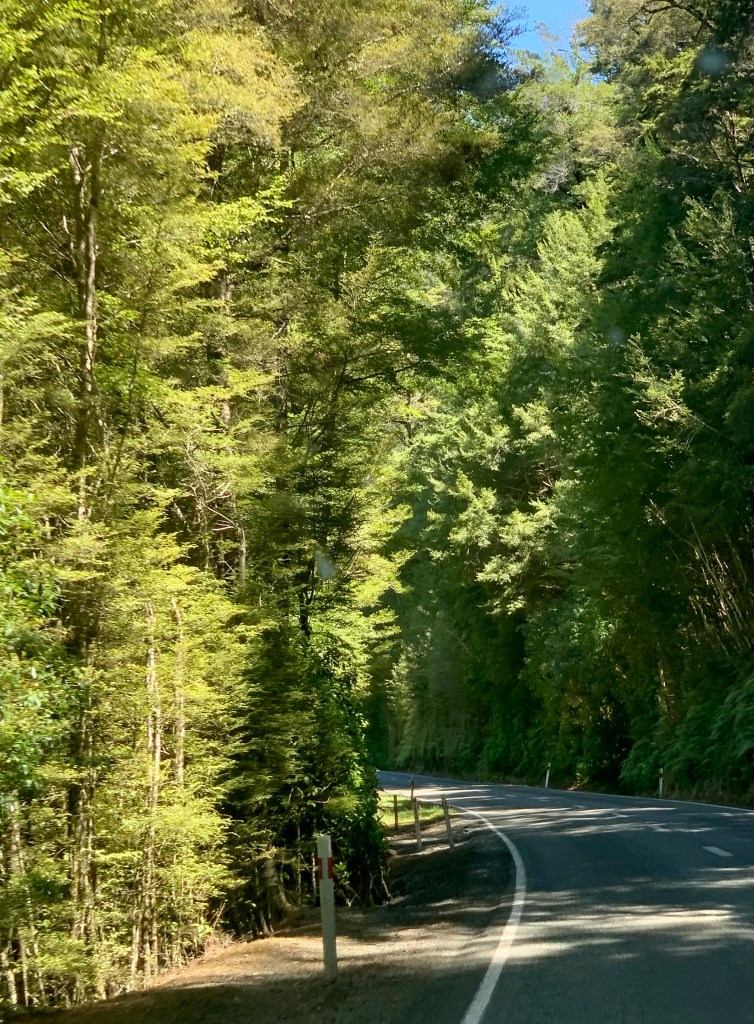
Just after Reefton, we turned right onto State Highway 7 towards Greymouth, with 80km left to drive before reaching our destination. From then on the road ran alongside the meandering Grey River which meant that it is a very twisty road with many curves. We also crossed back and forth across the river from time to time, usually by means of single lane narrow bridges. You can only marvel at the persistence, courage, engineering skill and sheer hard work that it must have taken to cut all these roads and lay these railway tracks in the first place. What a feat of human determination and ingenuity it was!
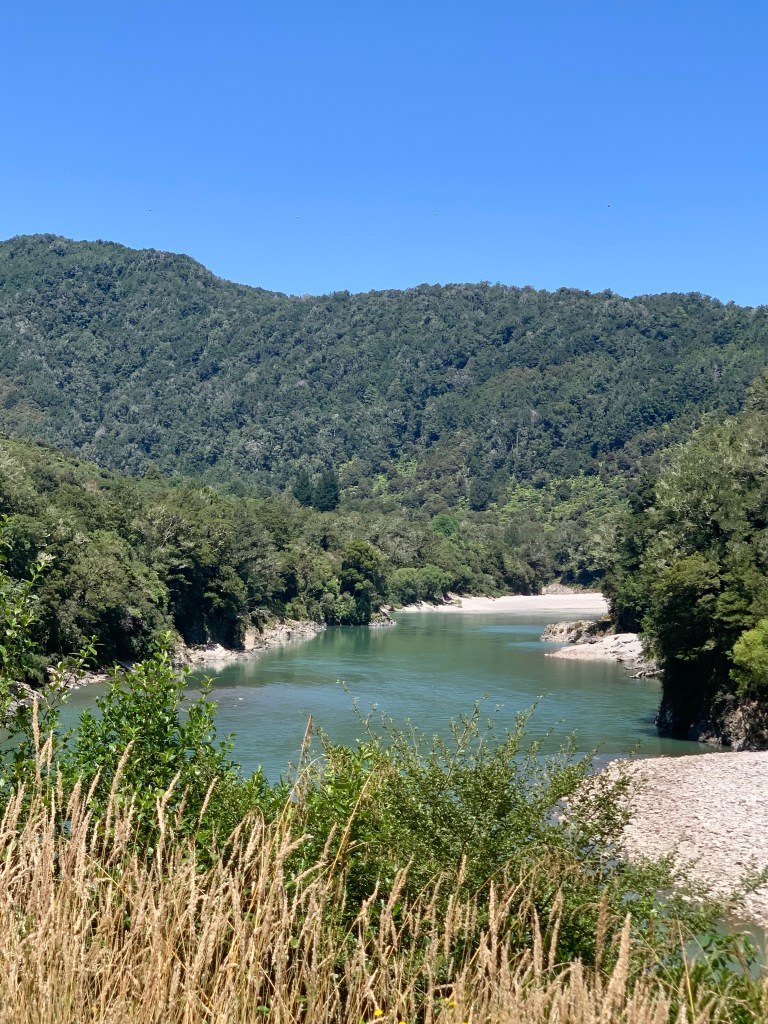
Eventually, all things merge into one, and a river runs through it. The river was cut by the world’s great flood and runs over rocks from the basement of time. On some of the rocks are timeless raindrops. Under the rocks are the words, and some of the words are theirs. – Norman Maclean A River Runs Through It and Other Stories
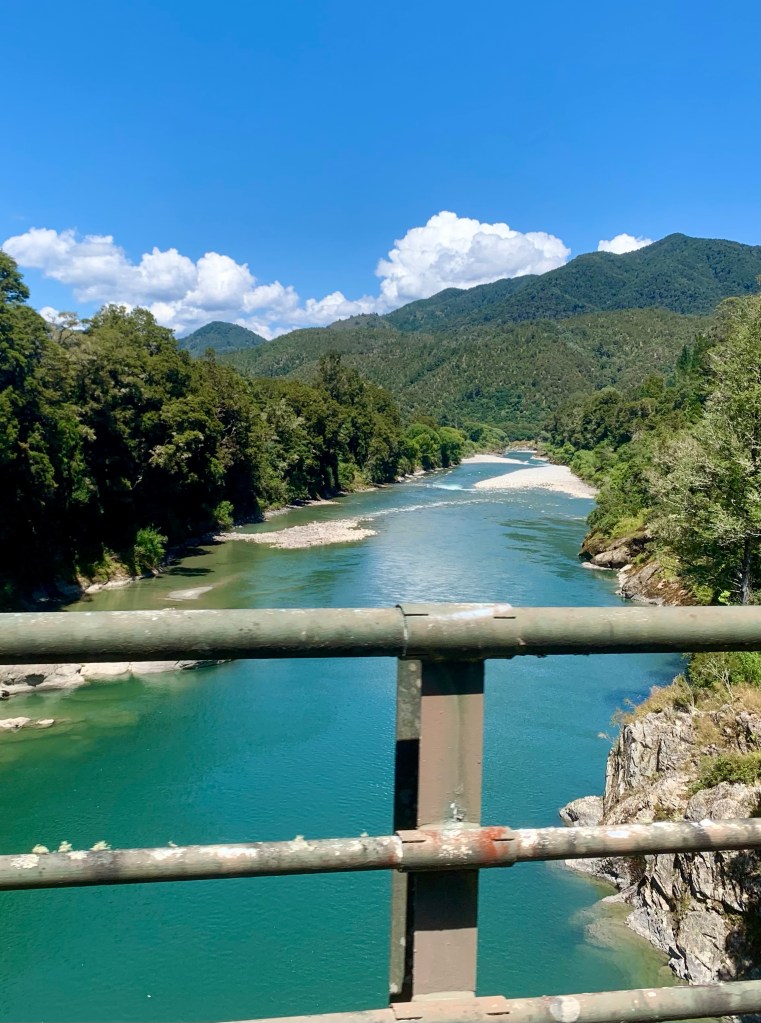
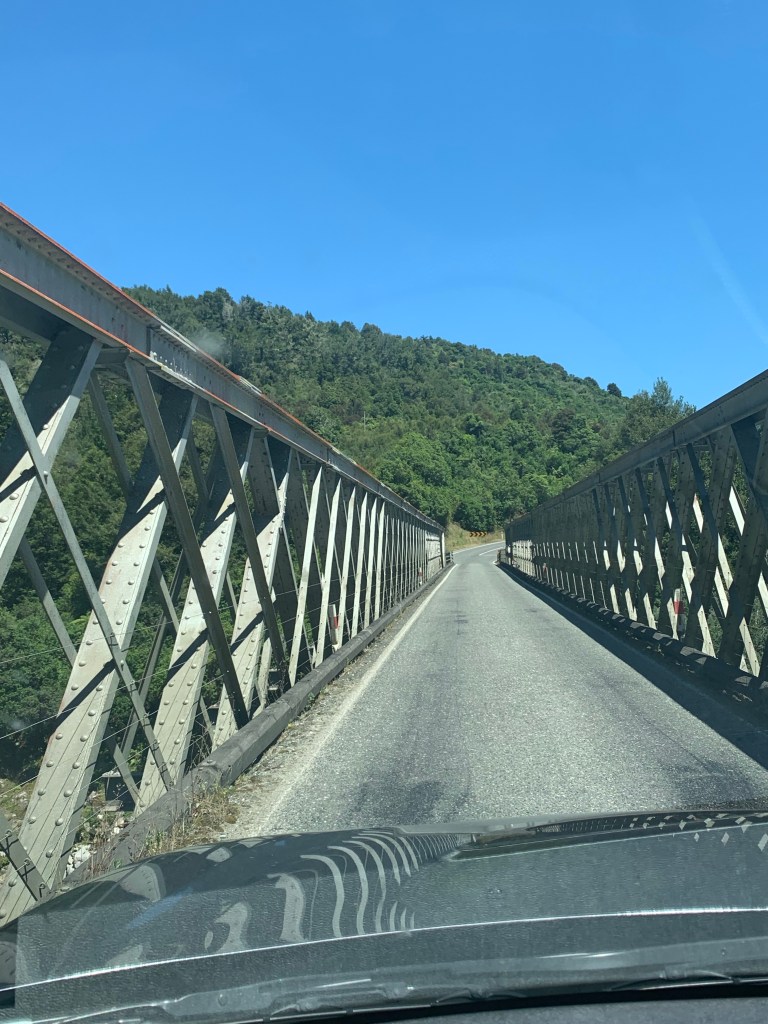
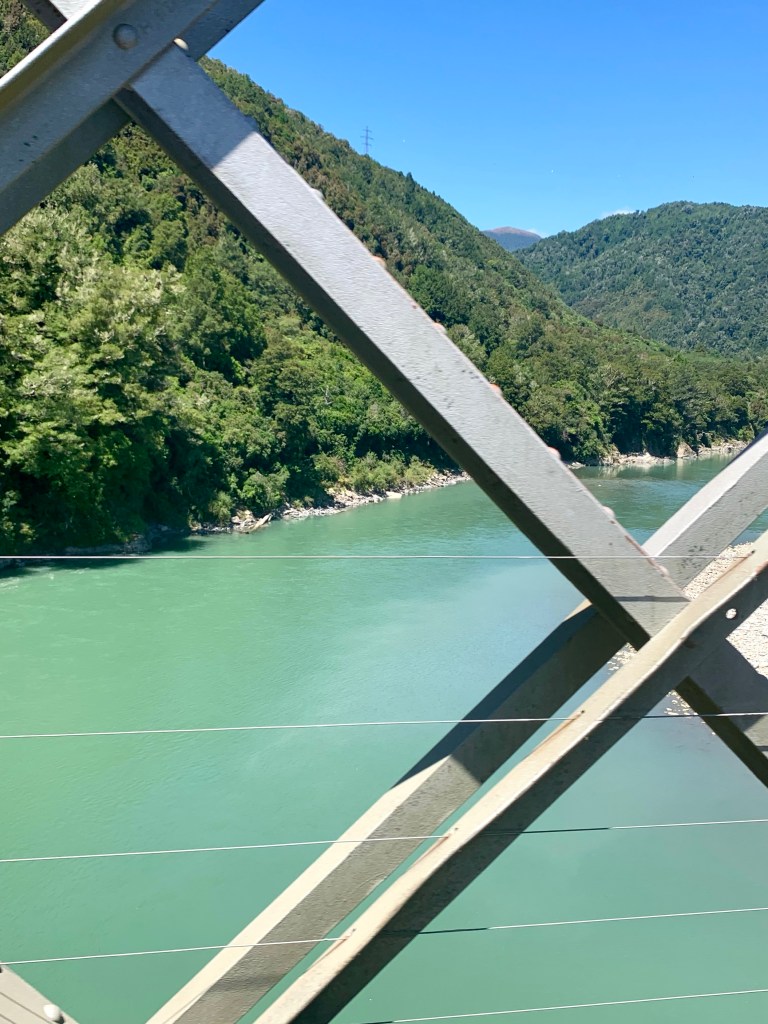
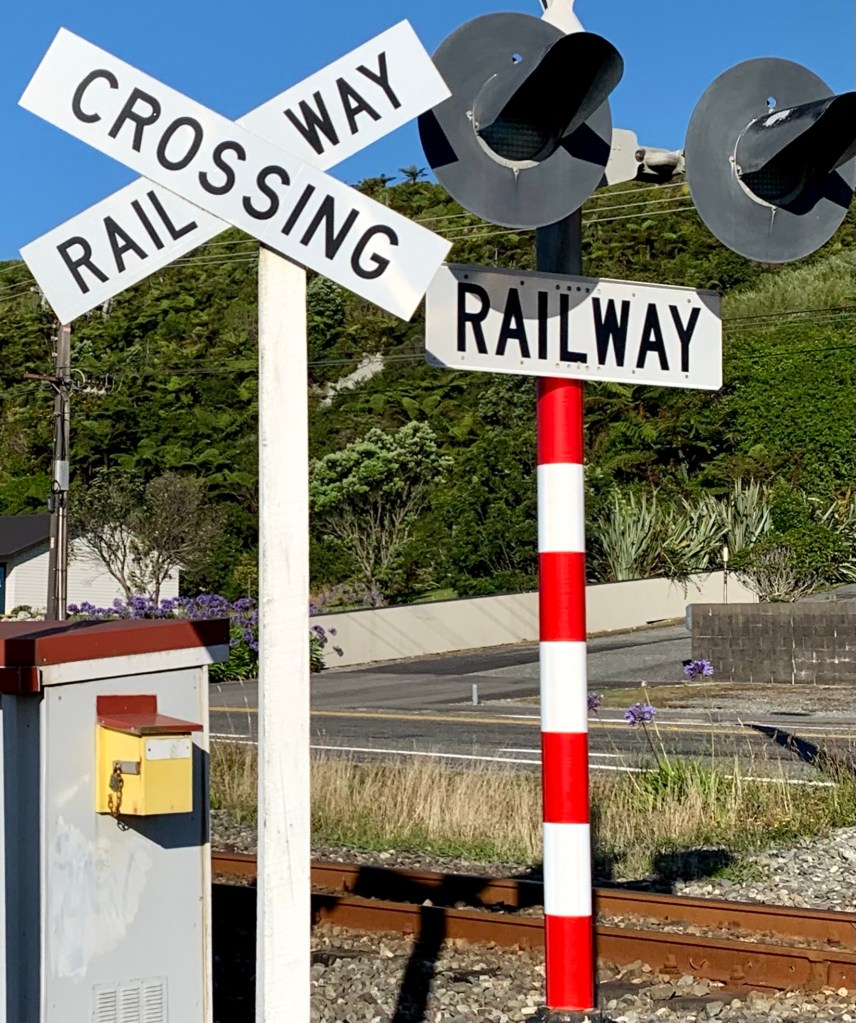
About 43km south west of Reefton is the small town of Ahaura where the Ahaura River runs into the Grey River. From that point on the road runs closely alongside the railway line for the rest of the way to Greymouth. Like it did with the river, the road crosses back and forth across the tracks.
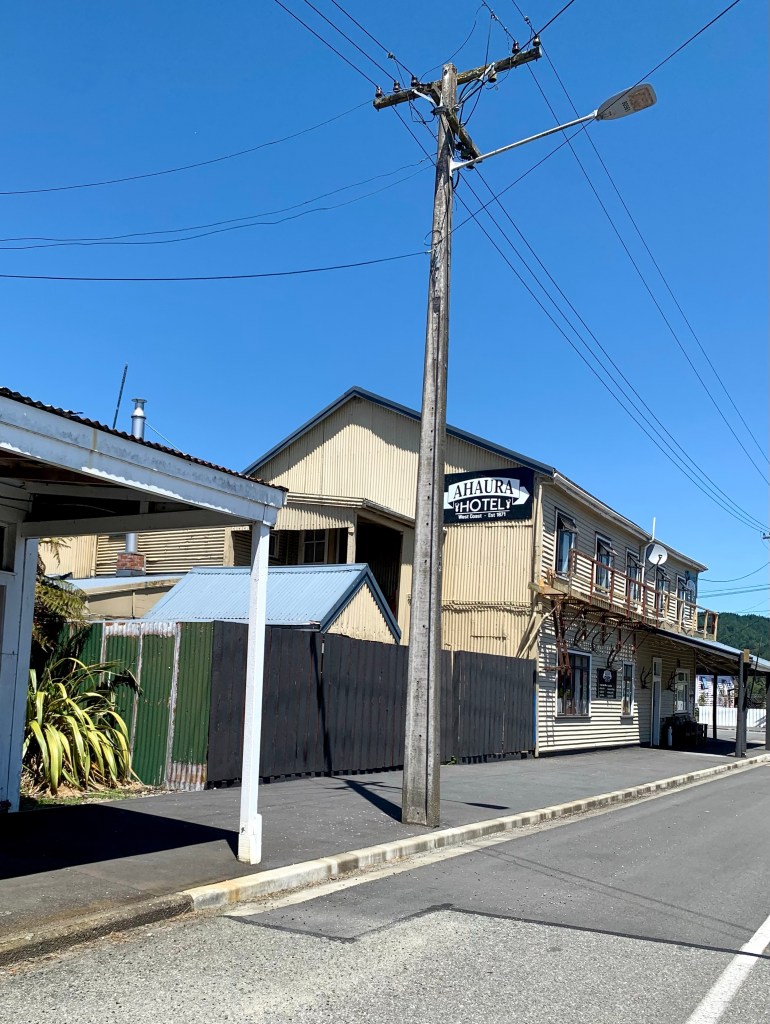
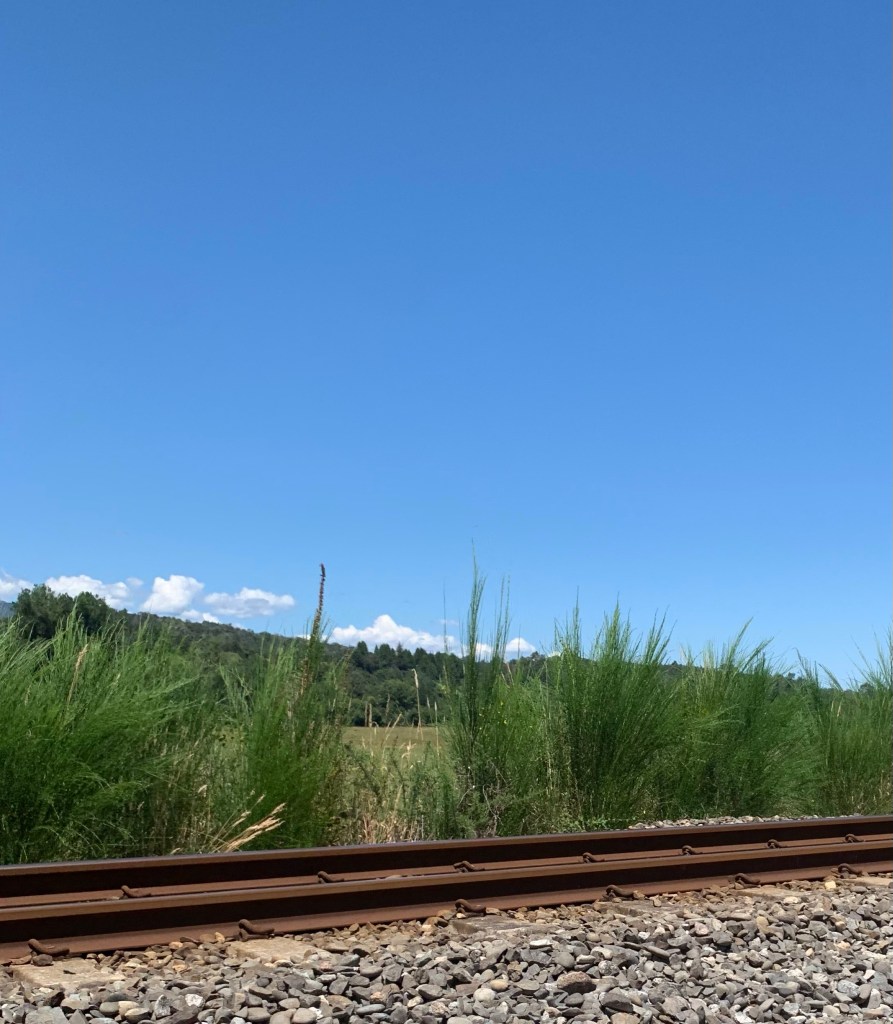
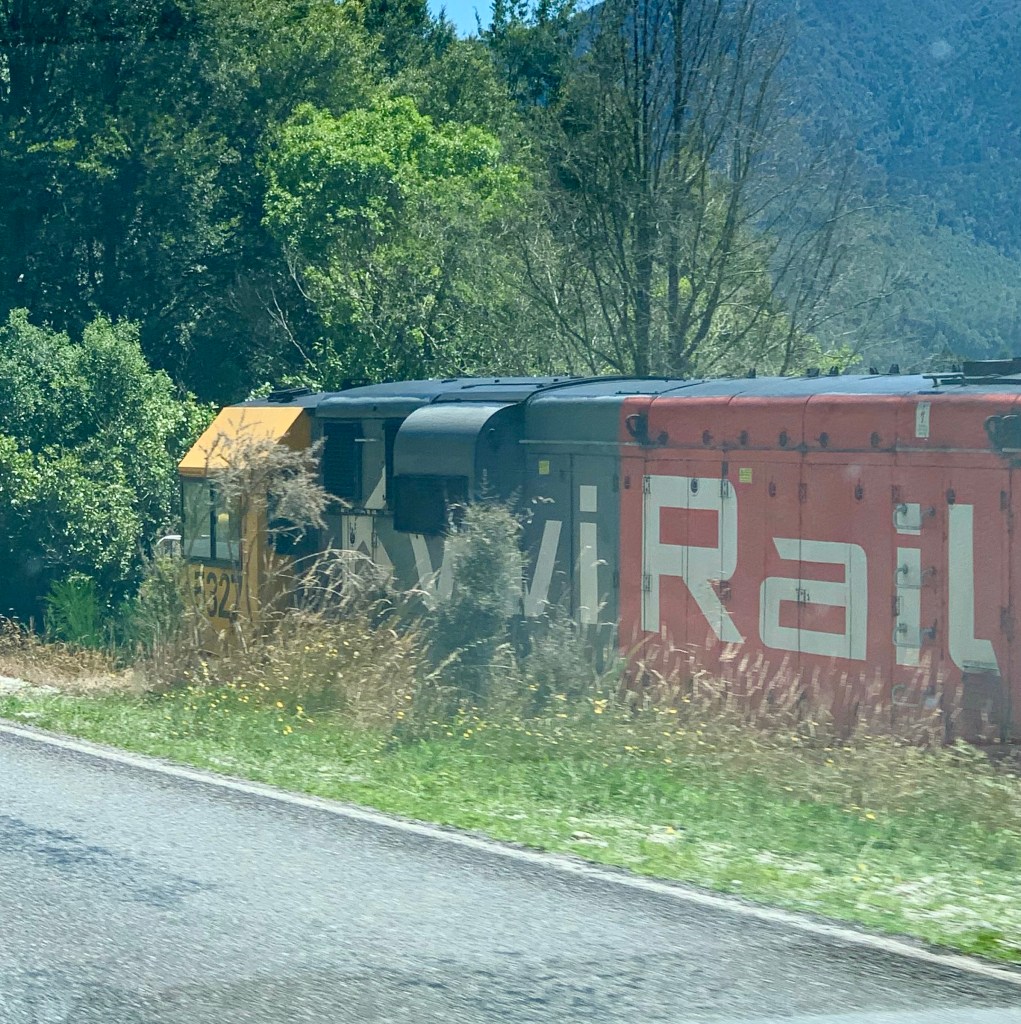
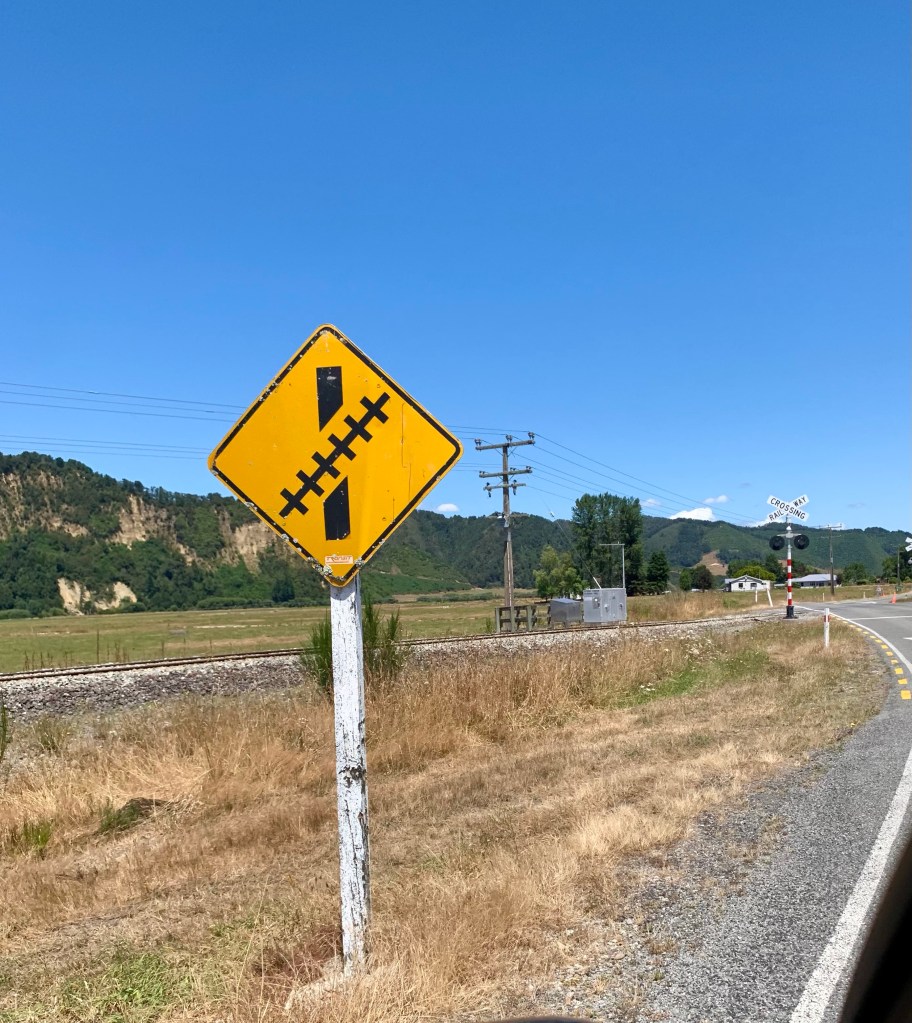
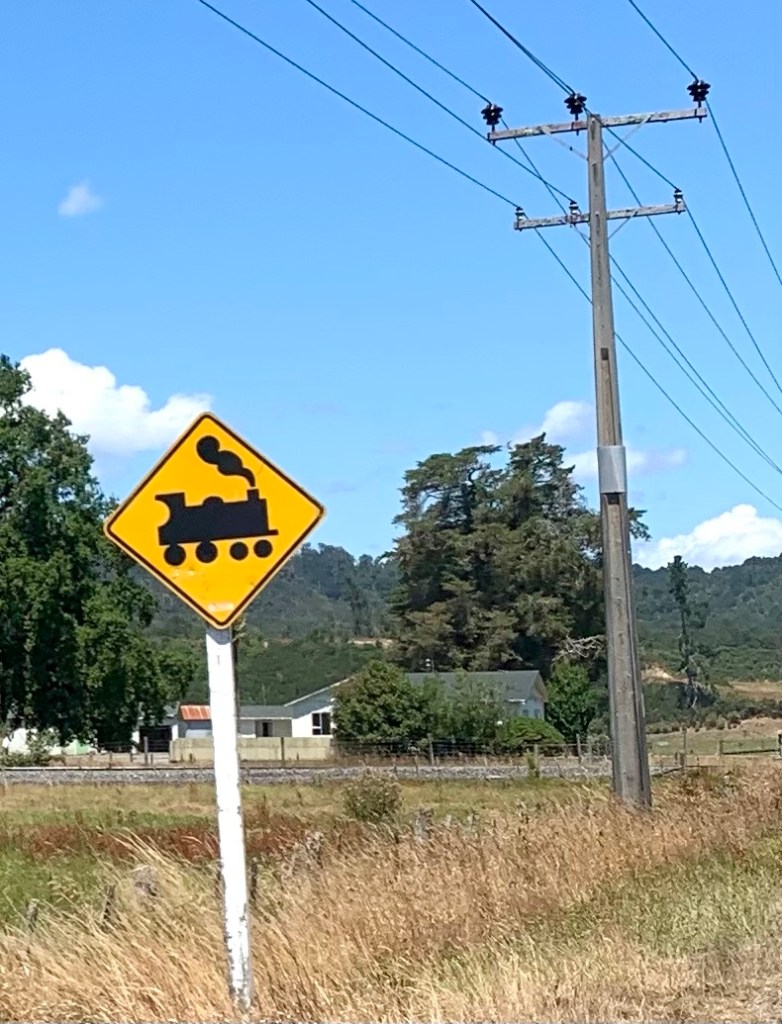
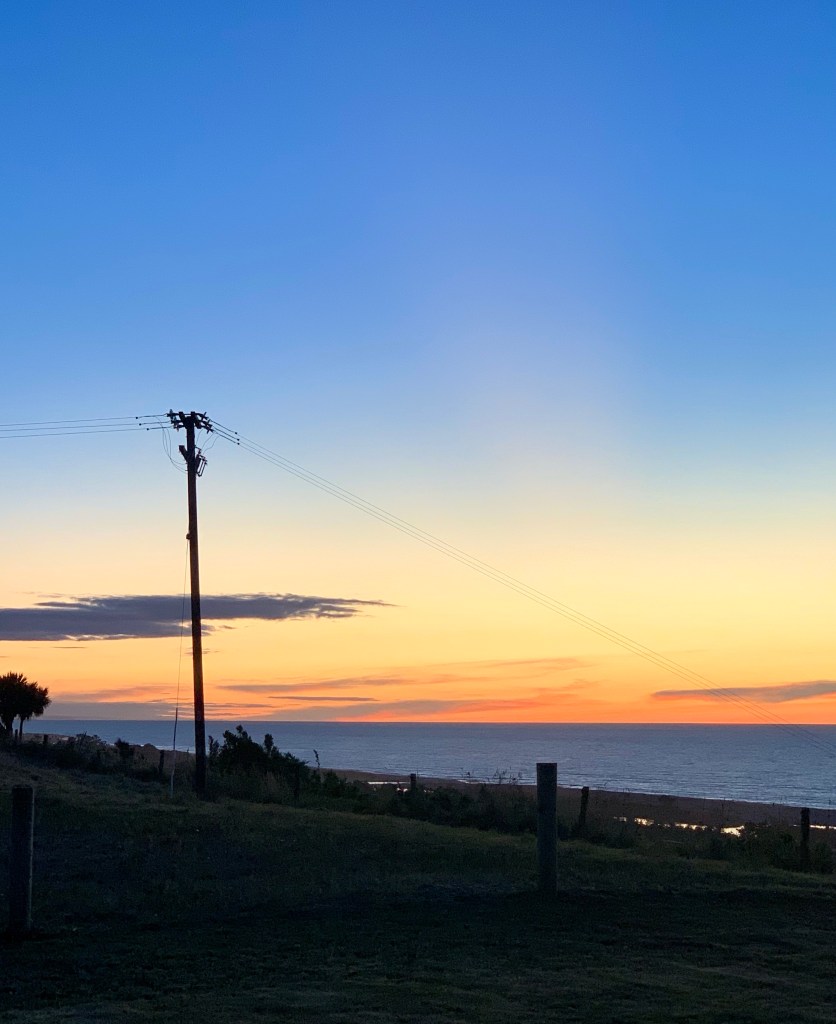
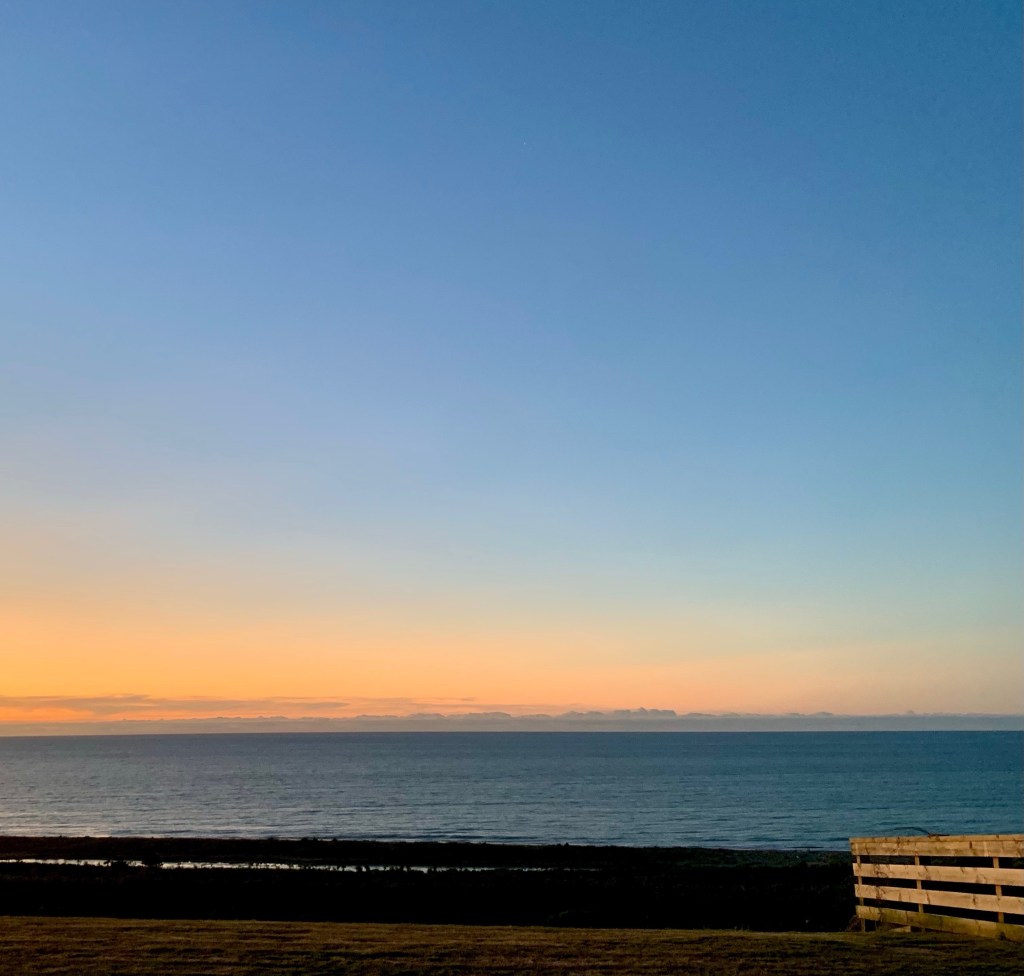
We got to Greymouth at about 4.00pm and located our accommodation there for the night. It is called Views over Tasman and that is exactly what it is.
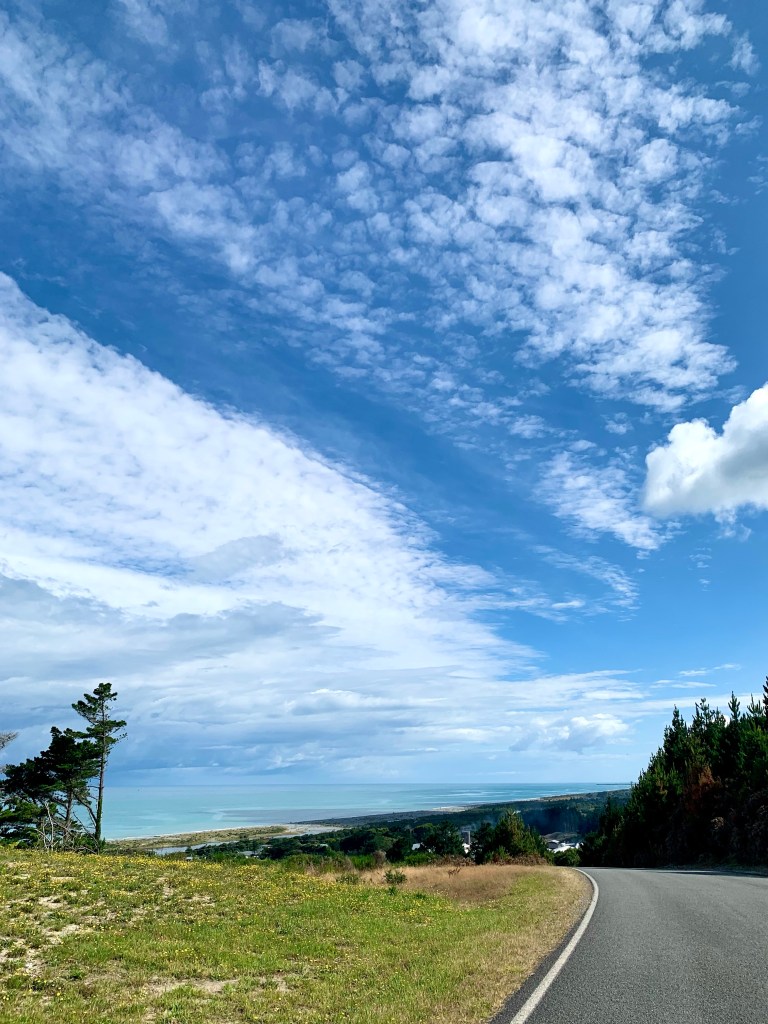
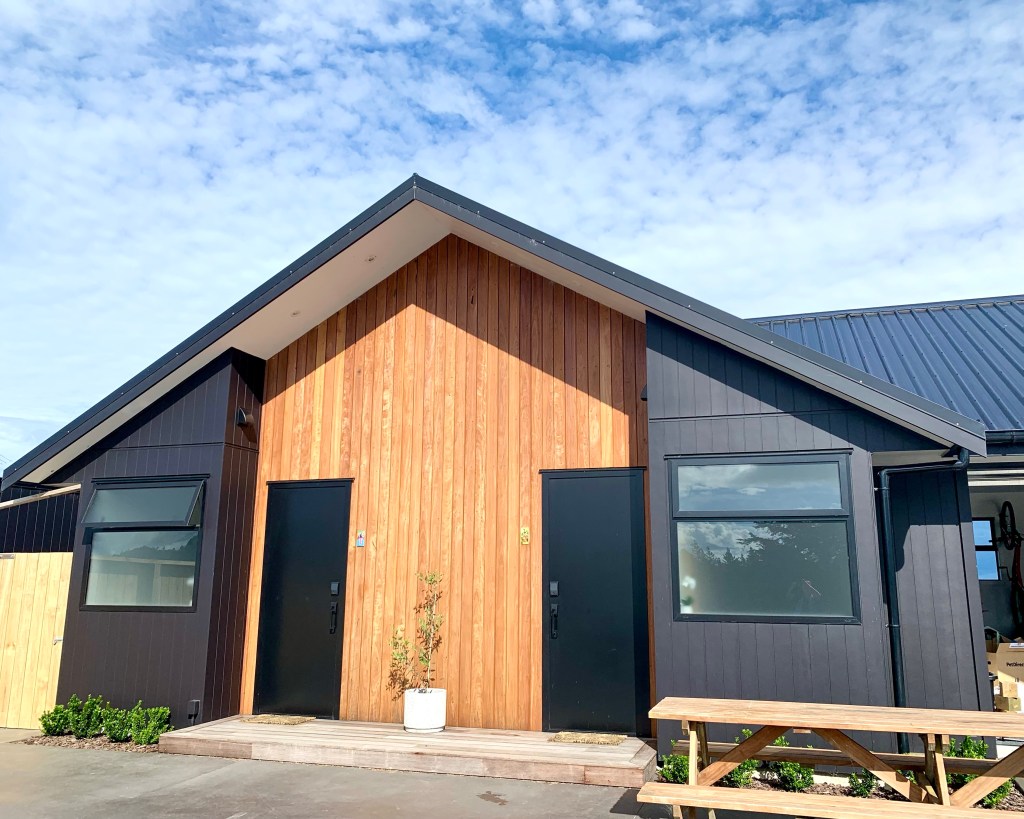
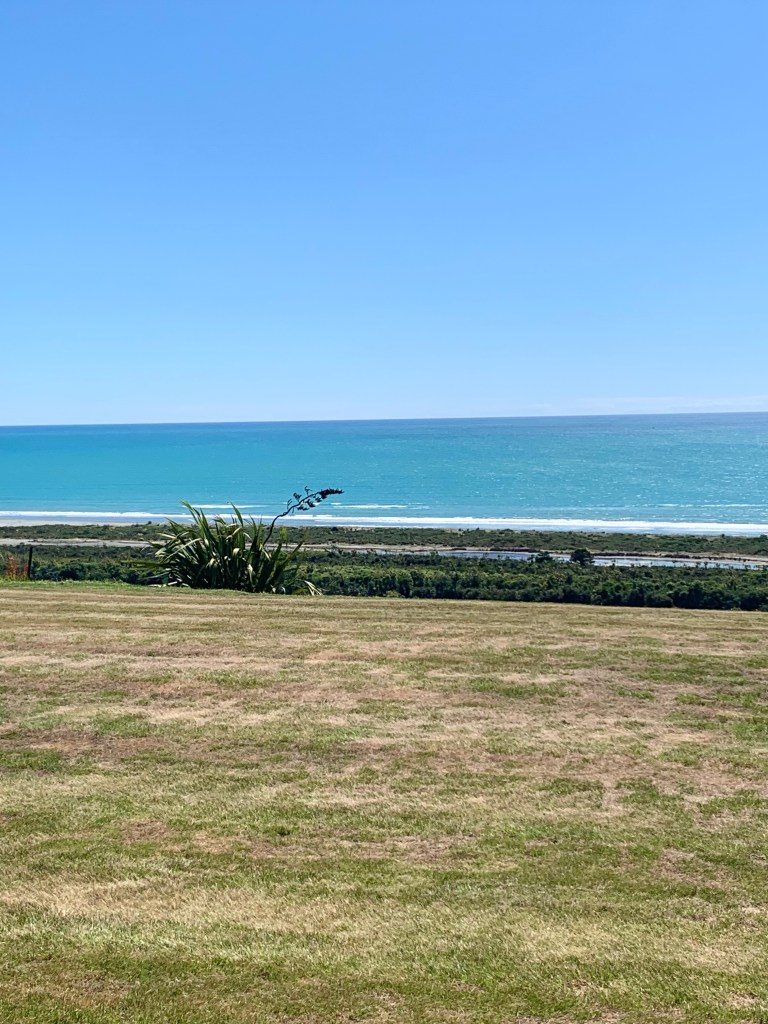
We were warmly greeted by Anthea who co-owns the property with her husband, Wayne. The unit was very thoughtfully laid out and excellently provisioned. A photograph does not due justice to the immensely wide and stunning view of the Tasman Sea from its front windows. There is a porch in front with chairs so you can sit out and contemplate the still and tranquil scene. But it is not a quiet place, the loud hissing sound of the cicadas’ singing fills the air all around you. I like that sound.
 Unhitched
I’d no idea there are cows ! One does just think ‘sheep’, an NZ staple export ! Also when I think of gold prospecting I only presume ones talking about the USA. Not thought about Auz or Canada either. It really is very unspoilt and pretty compared to so many countries these days.
LikeLiked by 1 person
It’s a breathtakingly beautiful country. And, yes, still relatively unspoiled. Amazing!
LikeLike
I have not been to Nelson or Greymouth, so a very interesting read! Love the photos
LikeLiked by 1 person
We really loved Nelson. It’s got a really lively vibe about it.
LikeLike